Africa produces some of the world’s finest coffee and tea. From the highlands of Rwanda and Ethiopia to the tea-growing regions of Kenya and Uganda, the continent is renowned for quality, heritage, and some of the most sought-after origins in global markets.
Yet despite this reputation, Africa captures only a small share of the value generated from the global coffee and tea economy.
The global coffee and tea markets together are estimated to be worth more than US$700 billion annually across retail, processing, distribution, and consumer sales. However, much of that value continues to be captured outside producing countries through activities such as roasting, packaging, branding, marketing, and retailing.
According to the International Coffee Organization, coffee exports generate billions of dollars for producing countries each year, yet value-added activities remain heavily concentrated in consuming markets. Similar trends exist in the tea industry, where producing countries account for much of the cultivation but a smaller share of final consumer value.
For many African farmers and exporters, the challenge is not production. It is market access.
Smallholder farmers, who produce the majority of Africa’s coffee and tea, often struggle to connect directly with international buyers, meet evolving sustainability requirements, access financing, or invest in value addition. Multiple intermediaries between farm and consumer can significantly reduce earnings, while limited exposure to premium markets means producers frequently miss opportunities to secure higher prices.
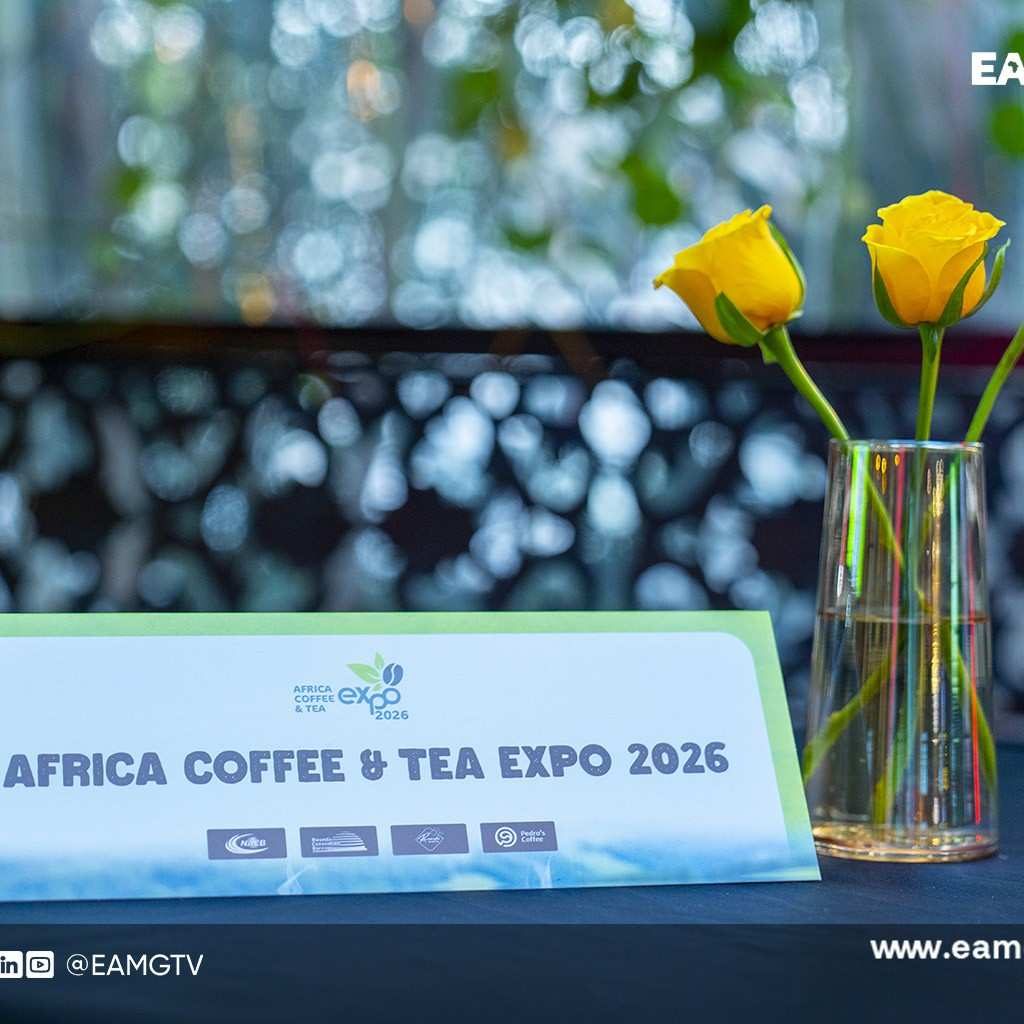
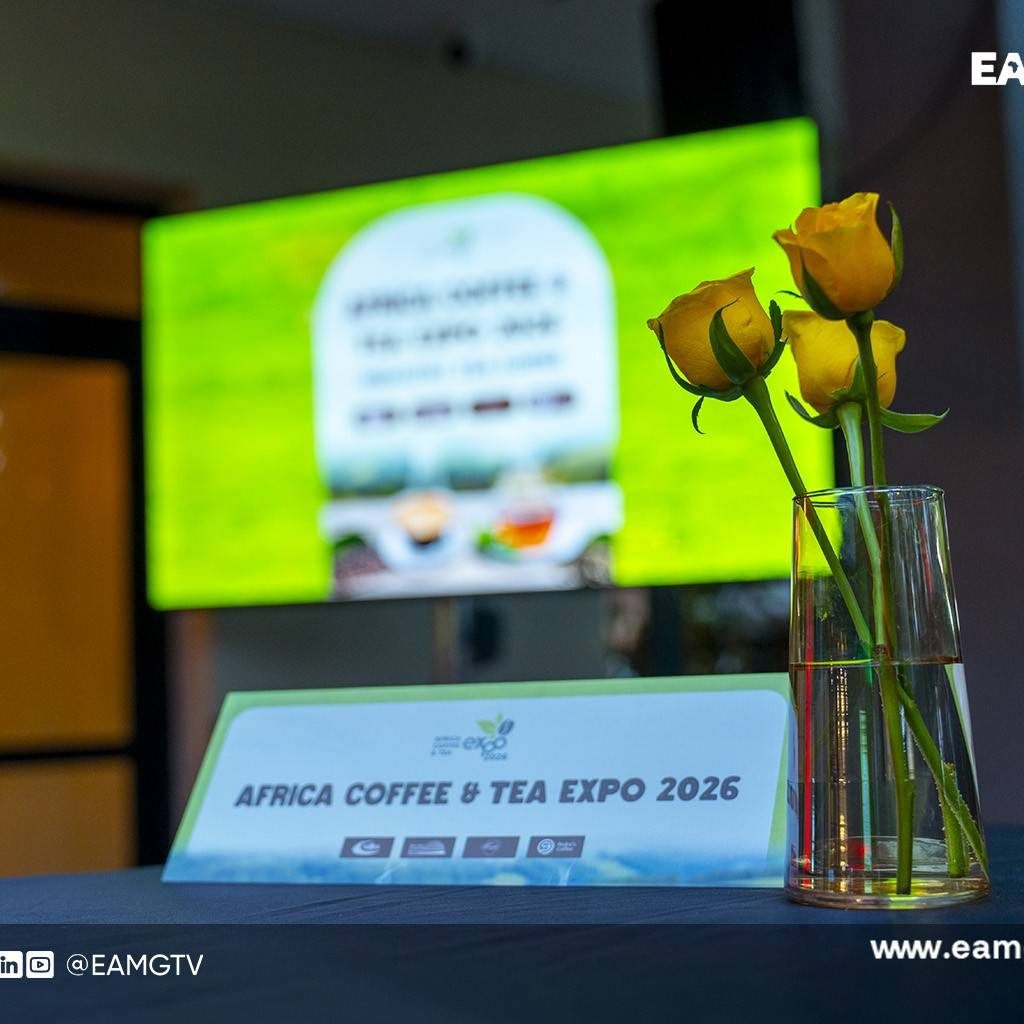
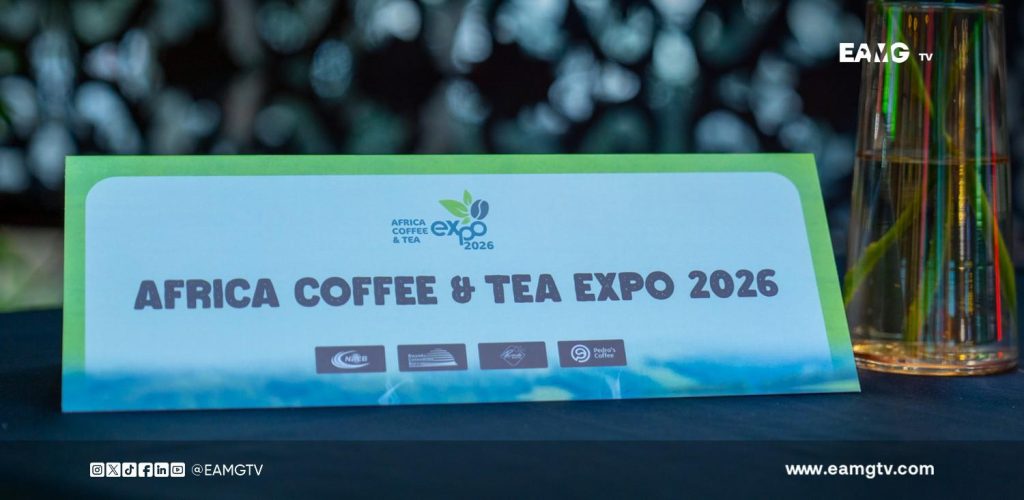
It is these persistent challenges that the Africa Coffee & Tea Expo 2026, a continental trade and investment platform focused on Africa’s coffee and tea industries, seeks to address.
Scheduled for July 8–10, 2026, in Kigali, Rwanda, the Africa Coffee & Tea Expo 2026 is positioning itself as more than an industry gathering. Organisers describe it as a strategic trade platform designed to connect producers directly with global buyers, unlock investment opportunities, strengthen value addition, and increase Africa’s participation in higher-value segments of the global coffee and tea economy.
According to Racheal Mwaniki, Project Manager at the Africa Coffee & Tea Expo, the platform was developed specifically to address bottlenecks across the sector.

“ACT is not just an expo. It is a trading platform meant to connect buyers and exporters to the global market. We are seeking to find solutions to the challenges experienced in the coffee and tea value chain,” she says.
Mwaniki notes that the Expo focuses on four key areas: trade and market access, investment and value addition, visibility and partnerships, and greater ownership of value within Africa’s coffee and tea industries.
“Our goal is to ensure Africa derives maximum value from its coffee and tea products while creating stronger connections between producers and global markets,” she adds.
Closing the Market Access Gap
While demand for specialty coffee and sustainably sourced tea continues to rise globally, many African exporters still struggle to secure direct relationships with buyers. Instead, they often rely on complex supply chains that dilute margins and limit opportunities for long-term commercial partnerships.
The Africa Coffee & Tea Expo 2026 intends to tackle this challenge through a technology-enabled B2B matchmaking and hosted buyer programme. The platform will connect verified buyers and suppliers before the event begins, enabling participants to arrive with scheduled meetings and potential business opportunities already identified.
The Expo is expected to host more than 1,000 participants from over 35 countries, making it one of the largest dedicated coffee and tea trade platforms on the continent.
Gakwaya Christian, Founder and CEO of Rwanda Events Group, believes the model can significantly improve trade outcomes.

“This is a platform for industry players. I am very confident it has strong potential as a trading platform. A dedicated technology system has been developed to ensure effective matching between buyers and producers. Ahead of the event, a pre-matching process will be conducted so that registered participants are connected to potential partners in advance,” he says.
Moving Beyond Raw Commodity Exports
Another challenge the Africa Coffee & Tea Expo 2026 hopes to address is Africa’s limited participation in value addition.
Although African countries produce some of the world’s highest-quality coffee and tea, much of it is exported in raw or minimally processed form. As a result, producing countries capture only a fraction of the value ultimately generated once products are roasted, blended, branded, packaged, marketed, and sold to consumers.
The Expo aims to attract investors interested in processing facilities, packaging solutions, branding initiatives, logistics infrastructure, agritech innovations, and climate-smart production systems that can help African producers retain a greater share of industry revenues.
For producing countries, even modest increases in value addition can have significant economic benefits, including job creation, higher export earnings, stronger domestic industries, and improved incomes for farming communities.
Preparing Producers for Premium Markets
Consumer expectations are evolving rapidly.
Today’s buyers increasingly demand traceability, sustainability, ethical sourcing, and stronger origin credentials. Specialty coffee and premium tea markets continue to expand, but many African producers face challenges meeting the certification, quality, branding, and compliance requirements needed to access these higher-value opportunities.
To address this challenge, the Africa Coffee & Tea Expo 2026 will place significant emphasis on capacity building through technical sessions, expert discussions, and knowledge-sharing forums focused on sustainability standards, quality improvement, branding, storytelling, and specialty market positioning.
These discussions are expected to help producers strengthen competitiveness, improve market readiness, and unlock access to premium global markets.
Why Rwanda Is the Right Host
Rwanda’s selection as host of the Africa Coffee & Tea Expo 2026 reflects both its growing influence in Africa’s coffee and tea industries and its reputation as one of the continent’s leading destinations for international conferences and trade events.
The country’s coffee and tea sectors have become important pillars of the economy, generating significant export earnings while supporting hundreds of thousands of livelihoods.
In 2025, Rwanda reached a historic milestone in coffee exports, earning a record US$148.6 million from exporting 23,860 tonnes of green coffee. The sector supports approximately 400,000 coffee farmers and has built a strong international reputation for high-quality specialty Arabica coffee.
Tea remains Rwanda’s largest agricultural export commodity. The industry generated approximately US$114.8 million from exports of nearly 38,500 tonnes of processed tea while supporting around 50,000 tea farmers organised into cooperatives and creating livelihoods for more than 100,000 people across the value chain.
Rwanda’s tea industry has also expanded significantly, growing from less than 5,000 tonnes of production in the late 1970s to nearly 40,000 tonnes annually today.
Combined, Rwanda’s coffee and tea sectors generate more than US$260 million in annual export earnings, underscoring both their economic importance and the opportunities that arise when producers are connected to markets, investment, and value addition.
Beyond its production credentials, Rwanda has positioned itself as a regional hub for trade, innovation, and business events. Its modern infrastructure, efficient logistics, investment-friendly environment, and track record of hosting major international conferences make Kigali a natural location for a continental platform focused on the future of Africa’s coffee and tea industries.
Taking Buyers to the Source
One of the Africa Coffee & Tea Expo 2026’s distinctive features will be field visits that allow international buyers to visit farms, processing facilities, and production sites.
The initiative reflects a growing trend among consumers and buyers who increasingly want to understand where products originate and how they are produced.
Francis Twagirayezu, Manager of Quality Assurance and Regulatory Divisions at NAEB, believes the visits will strengthen trust and commercial relationships.
“As a government, we are bringing global clients to where tea and coffee are actually grown. Today’s consumers are increasingly conscious and want to understand how the products they consume are produced, from farm to final cup,” he says.
“We expect visitors to return with a clear understanding of production on the ground. This exposure will encourage stronger trade relationships, increase orders, and help new exporters connect with international buyers.”
What the Africa Coffee & Tea Expo 2026 Ultimately Wants to Achieve
Beyond exhibitions and networking, the Africa Coffee & Tea Expo 2026 aims to become a catalyst for long-term transformation across Africa’s coffee and tea sectors.
The Expo seeks to increase direct trade between African producers and global buyers, attract investment into value addition and agribusiness innovation, improve market access for farmers and exporters, strengthen compliance with international standards, and create greater opportunities for women and young people across the value chain.
More importantly, it seeks to help Africa capture a larger share of the value generated from products it already grows exceptionally well.
For decades, Africa’s role in the global coffee and tea economy has largely been that of producer. The Africa Coffee & Tea Expo 2026 is part of a growing effort to ensure the continent becomes not only a producer of world-class coffee and tea, but also a greater beneficiary of the value those industries generate.
In a global coffee and tea economy worth hundreds of billions of dollars, the question is no longer whether Africa can compete. The question is whether it can capture more of the value generated by products that already rank among the world’s finest.