For years, Kenya’s North Rift has been synonymous with deadly bandit attacks, stolen livestock and families forced from their homes. In response, the government launched Operation Maliza Uhalifu North Rift, a multi-agency security campaign aimed at ending decades of violence in the region
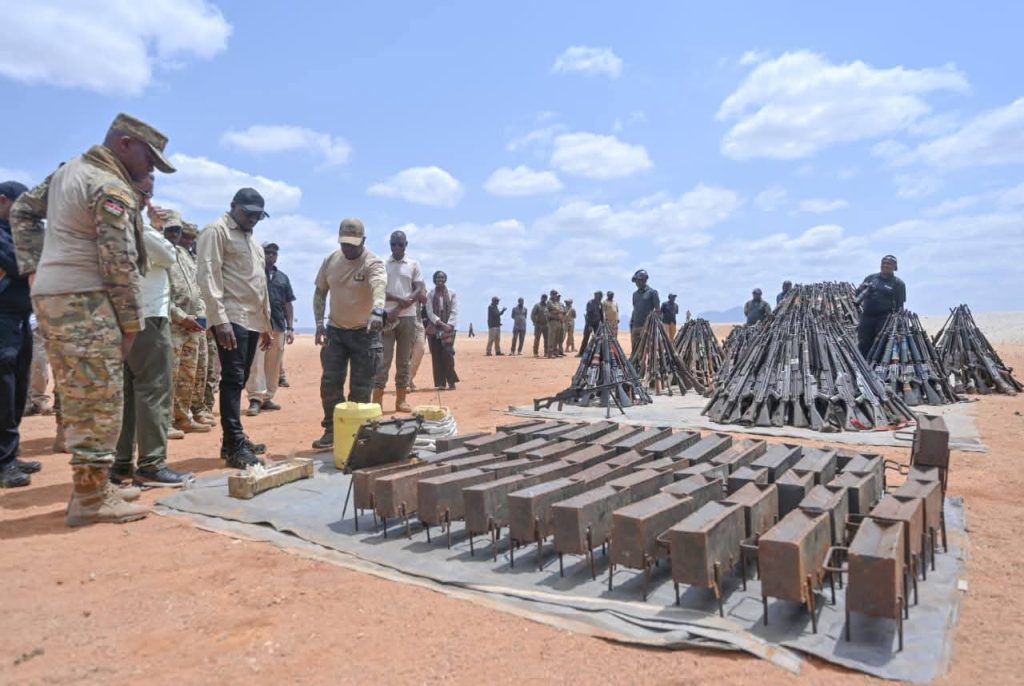
The operation has combined military and police deployments with voluntary disarmament, encouraging owners of illegal firearms to surrender their weapons in exchange for government-led empowerment programmes and alternative livelihoods. The broader goal has been to restore peace in communities long scarred by cattle rustling, armed attacks and intercommunal violence.
According to the government, the strategy is beginning to show results.
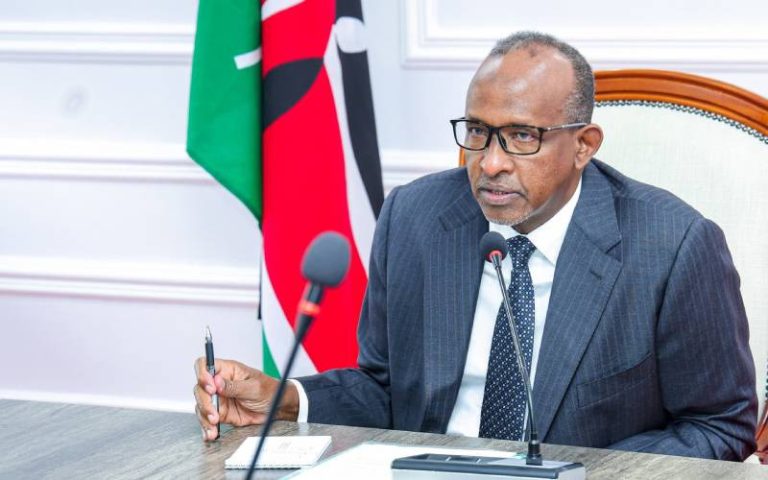
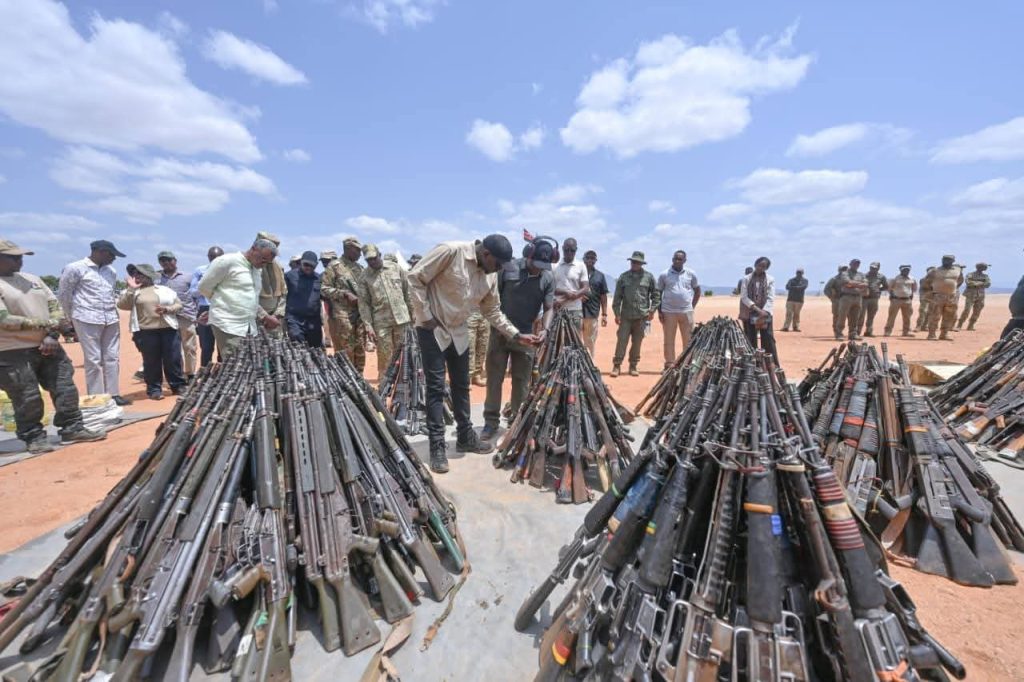
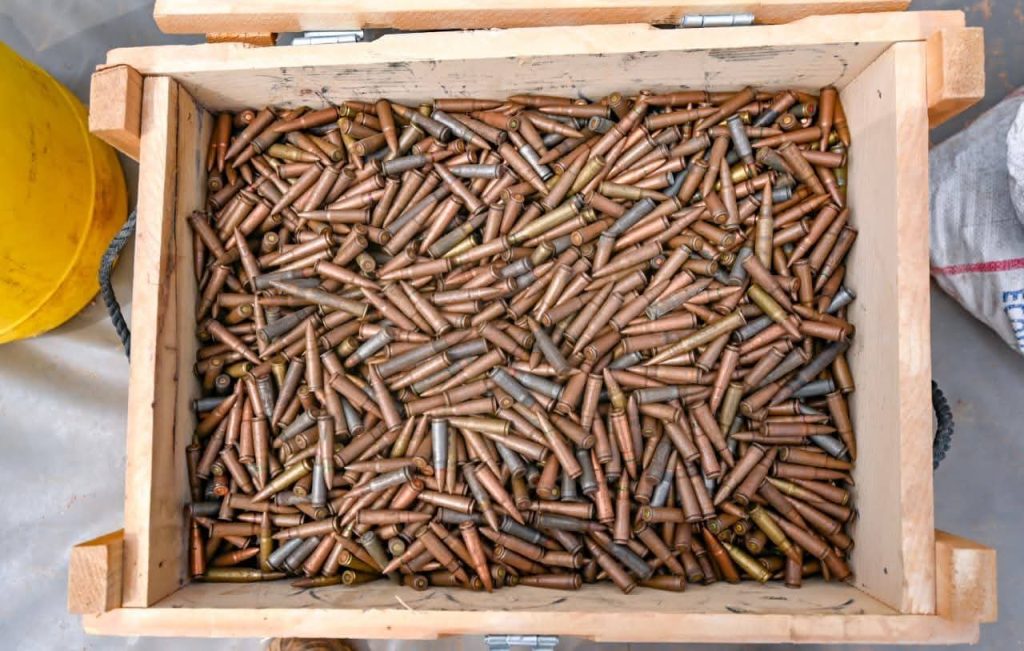
Speaking during the graduation of 122 officers from the 11th Special Operations Group (SOG) course at Kamanga Training Camp in Samburu County, Interior Cabinet Secretary Kipchumba Murkomen said security agencies have recovered more than 2,000 illegal firearms and 15,000 rounds of ammunition from bandits and terrorist groups, significantly weakening criminal networks that have operated across the North Rift for years.
The Special Operations Group, a specialised multi-agency unit, has played a central role in the campaign, supporting operations against banditry, terrorism, organised crime and cross-border threats.
Yet as security operations continue, Murkomen warned that a different threat is emerging: attempts to drag the country’s security agencies into political and ethnic disputes.
“As your Cabinet Secretary, I will continue defending our security agencies against all attacks, including political attacks,” he said.
Murkomen accused unnamed politicians of profiling individual officers along ethnic lines and making public remarks that could erode confidence in institutions tasked with protecting the country.
“You must not bring it to the security circles,” he said. “This is national security. We are patriots. We want to protect our nation.”
His remarks come as political temperatures begin rising ahead of Kenya’s 2027 General Election, with leaders increasingly trading accusations over government institutions and public appointments.
The Cabinet Secretary cautioned that while political competition is part of democracy, security agencies must remain professional, impartial and united.
Banditry has for years been one of Kenya’s most persistent security challenges, particularly across Baringo, Elgeyo Marakwet, West Pokot, Turkana, Samburu and Laikipia counties. Armed cattle raids and retaliatory attacks have claimed hundreds of lives, displaced thousands of families and disrupted education, farming and trade across the Kerio Valley and neighbouring regions.
The violence has also imposed a high economic cost, with communities losing livestock—the primary source of wealth and livelihood in many pastoral areas—while investors and essential services have struggled to operate in insecure environments.
Operation Maliza Uhalifu North Rift was launched to reverse that trend through sustained security operations alongside community engagement, voluntary disarmament and development initiatives aimed at addressing some of the underlying drivers of insecurity.
Murkomen said the newly graduated officers will reinforce those efforts, taking on specialised roles in confronting violent extremism, dismantling organised criminal networks, protecting critical national infrastructure and responding to emerging security threats.
He also praised collaboration between the National Intelligence Service and the National Police Service, saying coordinated operations have been instrumental in improving security in previously volatile areas.
For Kenya, the challenge now extends beyond recovering illegal weapons. As the country edges closer to another election cycle, maintaining public confidence in security institutions may prove just as important as the operations themselves.
If the gains made under Operation Maliza Uhalifu are to endure, the government argues, the country’s security agencies must remain insulated from political rivalry and ethnic divisions while continuing to protect communities that have spent years living under the threat of armed violence.