Experts criticize the misuse of the 'domestic terrorist' label in the shooting of Renee Good by an ICE agent.
In a controversial incident that has sparked national debate, Renee Good, a US woman, was shot and killed by an Immigration and Customs Enforcement (ICE) agent. The situation escalated when the US Homeland Security Secretary referred to Good as a ‘domestic terrorist,’ a label that many experts argue is being misused to justify the actions of law enforcement.
The incident occurred during a routine operation, which quickly turned tragic. According to reports, ICE agents were attempting to apprehend Good when the situation escalated, leading to the fatal shooting. The use of the term ‘domestic terrorist’ has raised eyebrows, as it implies a level of threat that many believe was not present in this case.
Experts in law enforcement and civil rights have voiced their concerns regarding the implications of labeling individuals as domestic terrorists. They argue that such labels can lead to excessive use of force and undermine the principles of justice and due process. The term has historically been associated with violent extremism, and its application in this context has been deemed inappropriate by many.
Critics of the label also highlight the potential for racial and social bias in its application. Good, who was known to be involved in community activism, is seen by some as a victim of a system that disproportionately targets marginalized individuals. The implications of this incident extend beyond Good’s tragic death, raising questions about the broader practices of ICE and the treatment of individuals within the immigration system.
As the investigation into the shooting continues, advocates are calling for a reevaluation of how terms like ‘domestic terrorist’ are used by government officials. They argue that such labels should be reserved for individuals who pose a genuine threat to public safety, rather than being applied to individuals in situations that do not warrant such a designation.
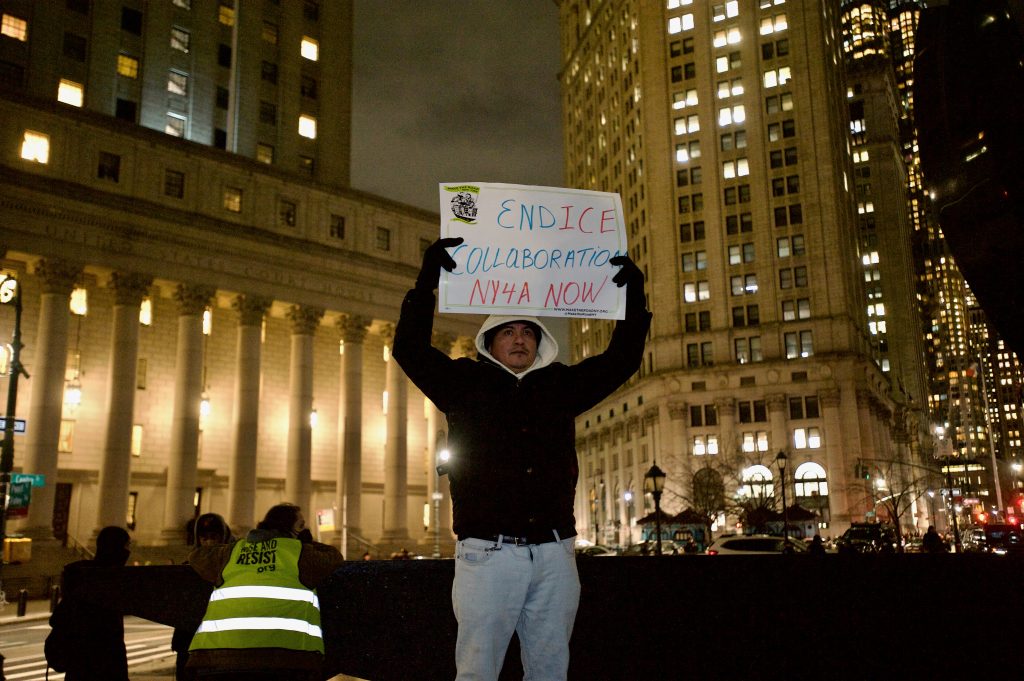
The case has ignited discussions on social media and among civil rights organizations, with many calling for accountability and transparency in law enforcement practices. The use of lethal force by ICE agents has been a contentious issue, and this incident has only intensified the scrutiny on the agency’s operations.
As the nation grapples with the implications of this tragic event, it is clear that the conversation surrounding the use of force, the labeling of individuals, and the treatment of marginalized communities is far from over. The outcome of this case could have lasting effects on policies and practices within law enforcement agencies across the country.
In conclusion, the shooting of Renee Good and the subsequent labeling as a ‘domestic terrorist’ raises critical questions about the intersection of law enforcement, civil rights, and the language used by government officials. As the investigation unfolds, the need for a careful examination of these issues becomes increasingly urgent.
Key Points
- Renee Good was shot and killed by an ICE agent during a routine operation.
- The US Homeland Security Secretary labeled her a 'domestic terrorist', raising concerns.
- Experts argue the term is misused and can justify excessive force.
- The incident highlights potential racial and social biases in law enforcement.
- Calls for accountability and reevaluation of ICE practices are growing.