

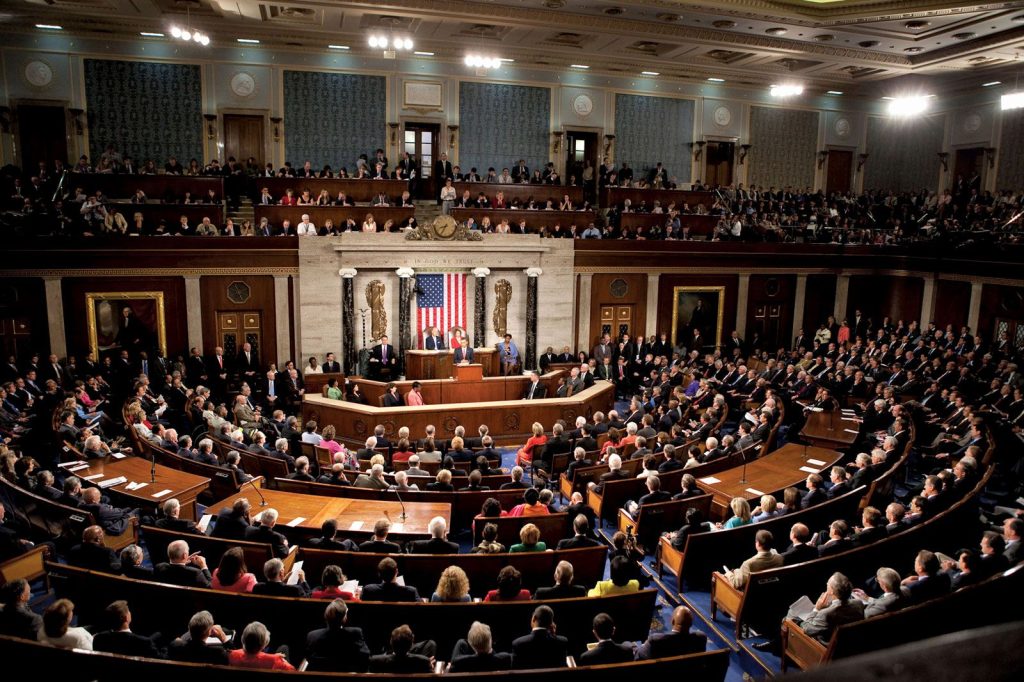
Democrats have won control of the U.S. Senate following the November 3, 2026 midterm elections, marking a major political setback for President Donald Trump and his Republican Party.
The Democratic caucus has secured at least 54 Senate seats, compared with 44 for Republicans, while races in Alaska and Mississippi remain unresolved. The party needed 51 seats to take control of the chamber.
Democrats made significant gains in traditionally Republican states, including Texas, Kansas, Iowa, Ohio, North Carolina and South Carolina, overturning seats that had been considered difficult to win.
The result was driven partly by voter frustration over the cost of living, high fuel prices and the economic impact of the United States’ war with Iran, according to election coverage.
Democrats also won control of the House of Representatives, giving the party majorities in both chambers of Congress for the first time since the 2024 elections.
The new Congress is expected to take office in January 2027. With control of both chambers, Democrats will have greater power to shape legislation, oversee the administration and scrutinise President Trump’s domestic and foreign policy agenda.
For the remainder of Trump’s presidency, the result sets the stage for a more divided political environment in Washington, with potential consequences for government spending, international relations and U.S. engagement with the rest of the world.

