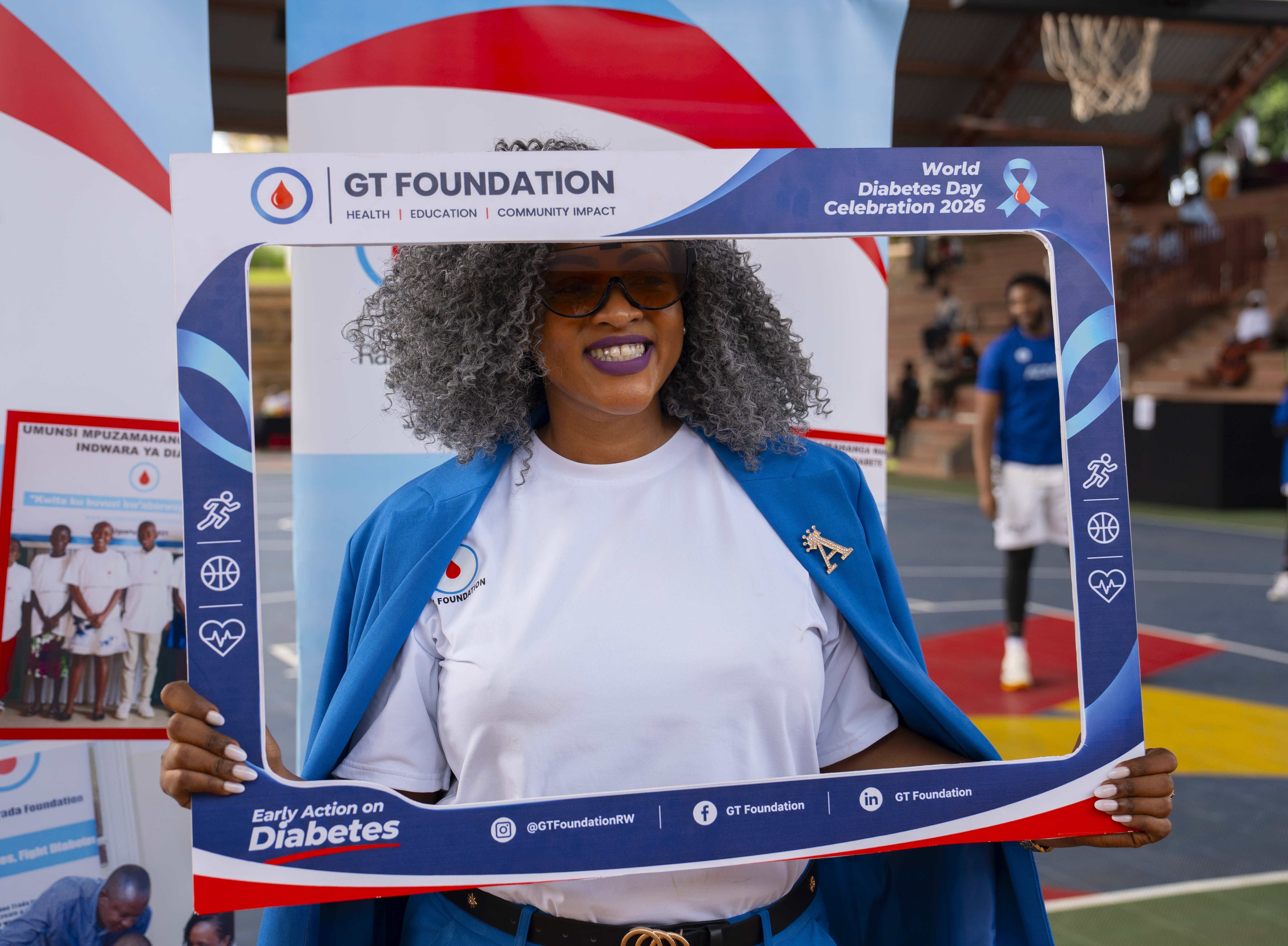
Diabetes advocates and people living with the condition are highlighting the importance of awareness, early diagnosis and community support as Rwanda marks World Diabetes Day.
Speaking about the work of the GT Foundation, representative Gervais Shema said the organisation was established by Tracy Mutesi and Jordy Trada, inspired by their family experiences with diabetes and the challenges faced by people with limited access to treatment and information.
The foundation is named after Jordy Trada, who was diagnosed with Type 1 diabetes at the age of 12 while attending boarding school. The founders also drew inspiration from their late grandfather, John Baptist, who experienced complications from Type 2 diabetes.
Recognising the difference in access to healthcare resources between the United Kingdom and Rwanda, the founders established the organisation to empower people living with diabetes through education and community support.
Its activities include annual World Diabetes Day events in Kigali, wellbeing walks, awareness campaigns, camps and hospital visits supporting people living with both Type 1 and Type 2 diabetes.
The foundation also aims to expand its initiatives across East Africa, with a focus on young people and vulnerable communities.
Singer Aline Gahongayire also shared her personal experience of living with diabetes, recalling how sudden vision loss while driving after choir practice and persistent thirst led her to seek medical attention.
Tests confirmed her diagnosis approximately 20 years ago. Despite initially struggling to accept the news, she continued pursuing her music career, drawing strength from her faith and passion for music.
Now sharing her experience as someone who has learned to manage the condition, Gahongayire encourages people to practise self-love, consult healthcare professionals, exercise regularly and make healthier food choices.
She also highlighted her lifestyle transformation, including reducing her weight from 119 kilogrammes to 74 kilogrammes, and encouraged people living with diabetes not to view the condition as the end of an active and fulfilling life.
Emelyne Kaneza addressed the role of family and partners in supporting people living with diabetes, emphasising patience, understanding and emotional support.
She explained that managing diabetes can involve unpredictable changes in energy levels, daily medication and lifestyle adjustments that affect the entire household.
Kaneza encouraged families to participate in physical activities, adapt their diets and give loved ones the emotional space to manage the demands of living with a long-term condition.
Together, their experiences highlight the importance of combining medical care, public education and community support to improve the lives of people living with diabetes.}
What more can communities, families and institutions do to support people living with diabetes? Share your thoughts and join the conversation on raising awareness, promoting early diagnosis, and building healthier communities.