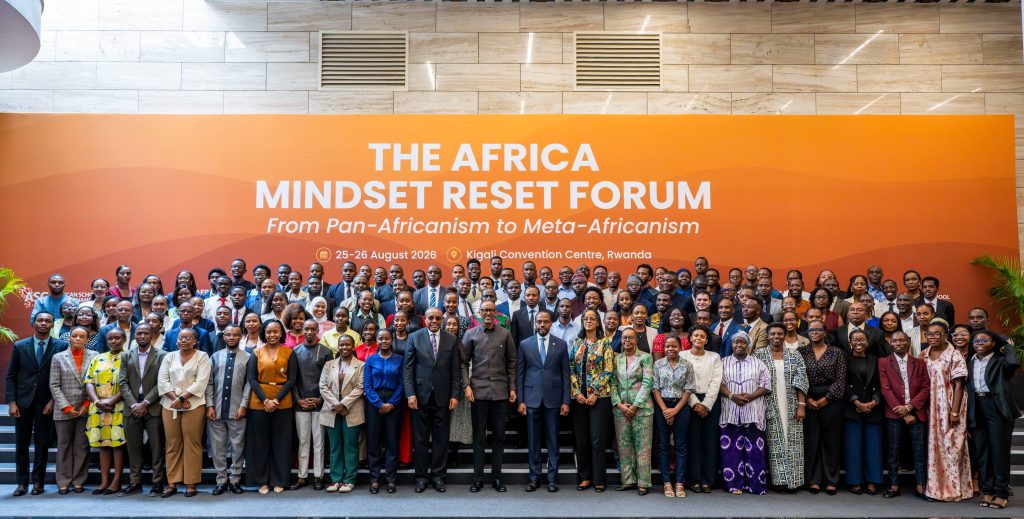
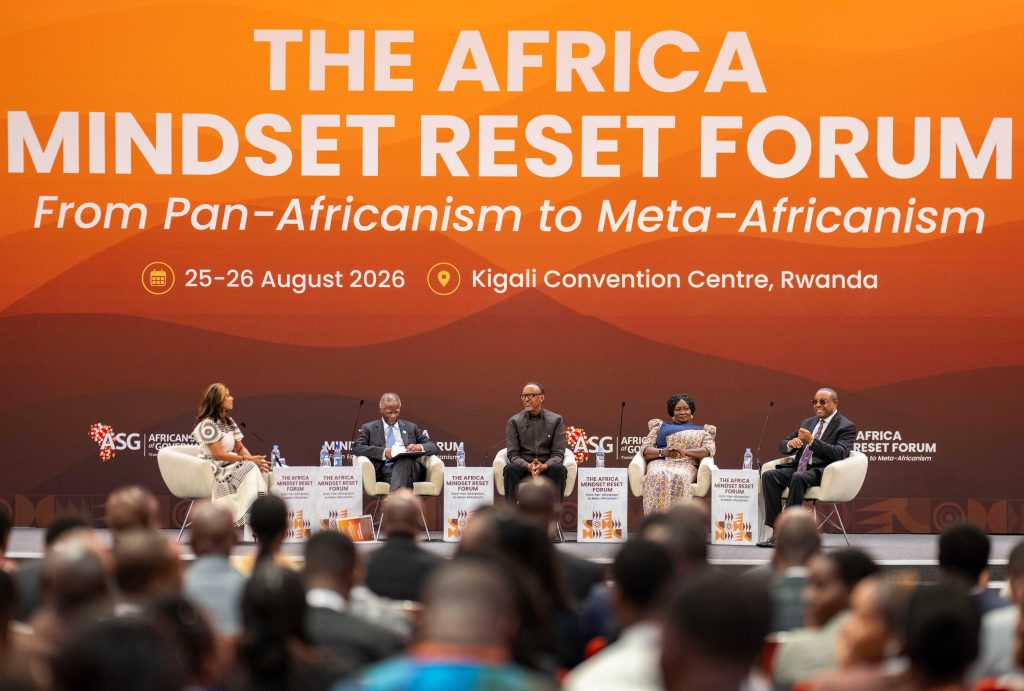
African heads of state, former presidents, policymakers, business leaders and young African voices have gathered in Kigali, Rwanda, for the inaugural Africa Mindset Reset Forum, a two-day meeting focused on how the continent can strengthen its institutions, leadership and ability to turn development ambitions into measurable results.
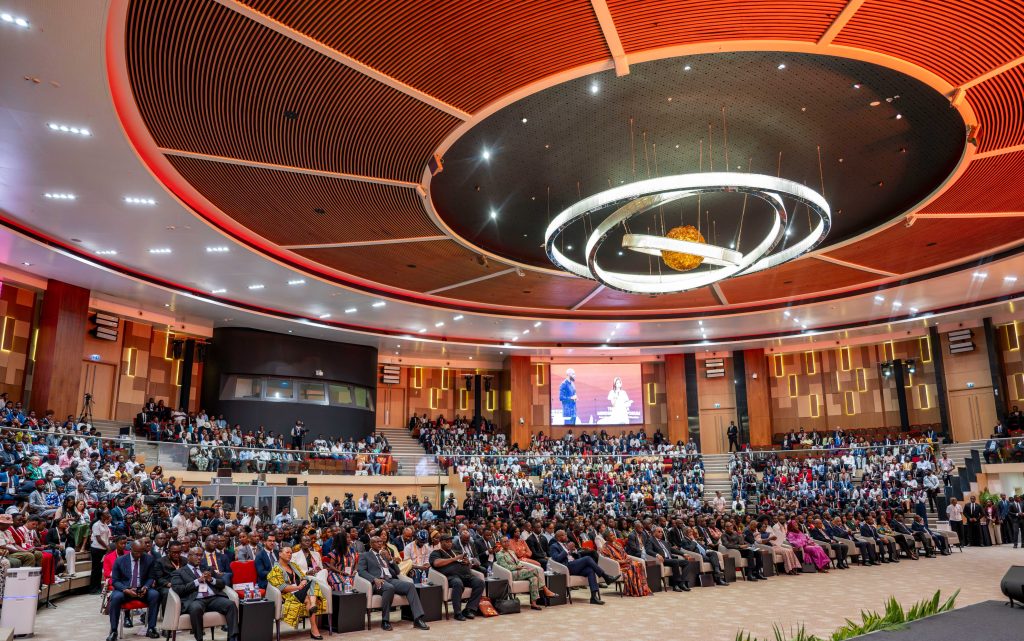
The forum, which began on Tuesday, August 25, is being hosted by the African School of Governance (ASG) at the Kigali Convention Centre and is bringing together about 2,500 delegates from across Africa and beyond.
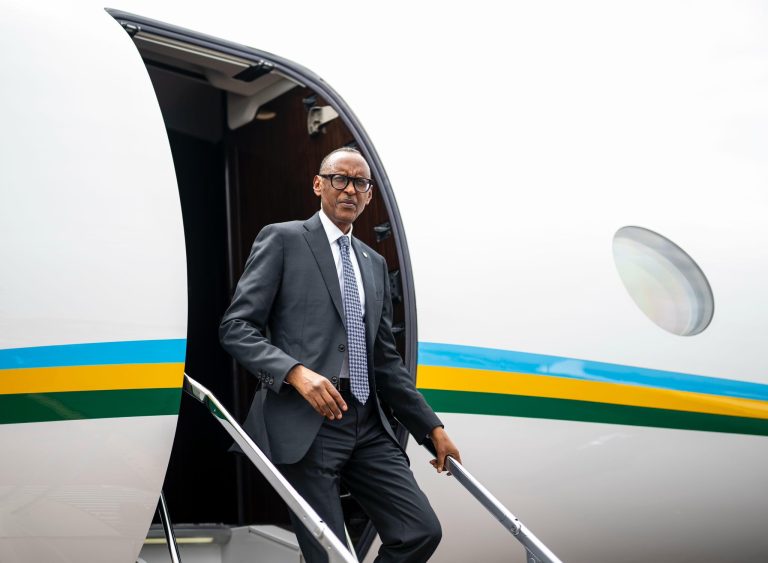
Among those attending are Rwandan President Paul Kagame, co-founder of ASG, and former Ethiopian Prime Minister Hailemariam Desalegn; ASG co-founder and chair, Ghanaian Vice President Jane Naana Opoku-Agyemang; former South African President Thabo Mbeki and Sidi Ould Tah, President of the African Development Bank.
The private sector and business community are also represented by figures including Acha Leke, Chairman for Africa at McKinsey & Company; Zouera Youssoufou, CEO of the Aliko Dangote Foundation; Yvonne Makolo, CEO of RwandAir; and Clare Akamanzi, CEO of NBA Africa. Kenyan lawyer and pan-African activist PLO Lumumba is also participating.
At the centre of the discussions is a question facing many African countries: How can the continent move from ambitious policies and commitments to effective implementation and tangible results?
The forum is examining issues including good governance, institutional capacity, leadership, execution and continental integration, while also creating space for different generations of African leaders to exchange perspectives.
Calls for a More Integrated Africa
During an intergenerational dialogue on moving from vision to institutions, execution and integrated markets, Wamkele Mene, Secretary-General of the African Continental Free Trade Area (AfCFTA) Secretariat, stressed the importance of Pan-Africanism and deeper integration.
He highlighted the imbalance in visa access across the continent, noting that more than 90 percent of Africans require visas to travel to other African countries, while most Europeans can travel across much of Africa without visas.
Mene argued that such barriers need to change if Africa is to achieve stronger integration and greater movement of people, goods and opportunities.
The issue of intra-African trade was also raised by Lennon Monyae, Coordinator of the Africa Peer Review Mechanism Youth Network, who called for the continent to increase intra-African trade, currently below 20 percent, as a way of creating jobs and expanding economic opportunities.
Leadership and Institutions
Former Gambian Vice President Fatoumata Jallow Tambajang praised the establishment of the African School of Governance as a platform for building knowledge and leadership capacity on the continent.
She also urged African women to take a more active role in leadership, encouraging them not to wait for opportunities to be offered but to actively participate in decision-making spaces.
For Caren Wakoli, Founder and CEO of Emerging Leaders Foundation, strengthening institutions must go hand in hand with strengthening the people who lead them.
She argued that institutions can only be effective when leadership itself undergoes a shift in mindset, particularly among younger generations.
Monica Geingos, former First Lady of Namibia and founder and chairperson of Leadership Lab Yetu, called for greater cooperation among African leaders and a reduction in the political and institutional silos that can limit continental progress.
She also challenged conventional approaches to power and leadership, arguing that the focus should be on understanding how power is exercised and how institutions can protect future generations from its abuse.
Harnessing Africa’s Own Resources
The discussions also focused on Africa’s diaspora as a potential driver of development.
Dr Kofo Obasanjo, a global supply chain and transformation leader and African policy writer, described the diaspora as a strategic continental asset because of its ability to circulate capital, knowledge and networks between Africa and the rest of the world.
She argued that creating the Africa people want must include giving future generations greater freedom to choose their paths and opportunities.
The forum is also highlighting initiatives aimed at strengthening Africa’s economic and institutional capacity, including the African Open Skies Initiative, visa openness, an African sovereign credit rating agency and the Rwanda Cooperation Initiative.
As Africa continues to face challenges around economic integration, governance, youth employment and the implementation of continental agreements such as the AfCFTA, the Kigali gathering is seeking to shift the conversation from what Africa should achieve to how African institutions and leaders can deliver it.
The Africa Mindset Reset Forum ultimately presents leadership, effective institutions and a culture of execution as central to translating Africa’s ambitions into sustainable development.
WATCH OPENING CEREMONY HERE: