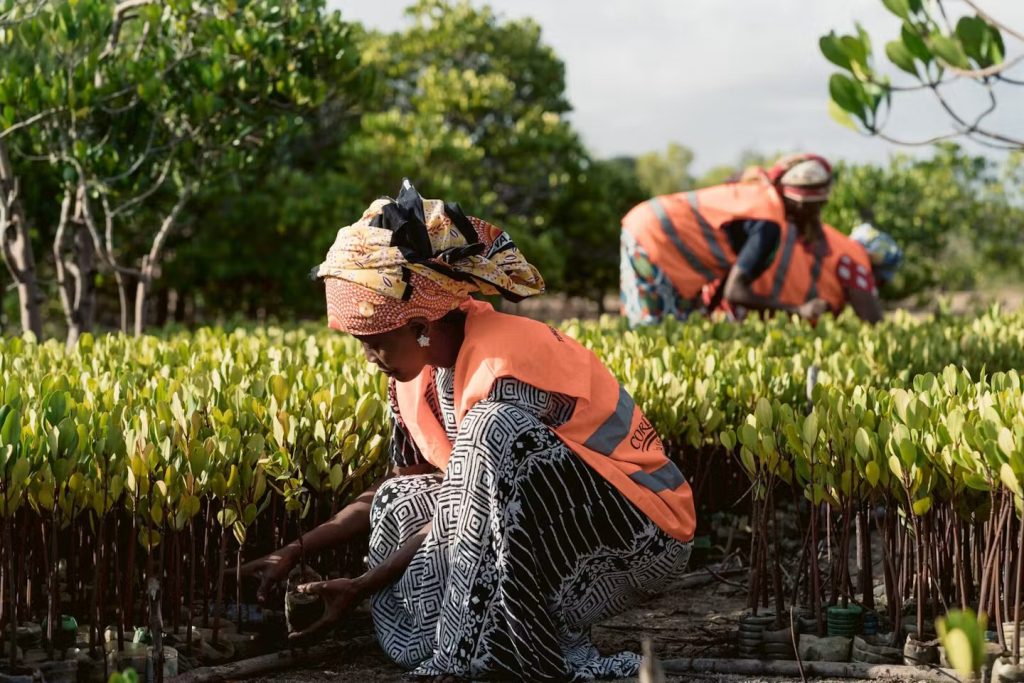
Across rural Kenya, women are finding new economic opportunities in an unlikely place: landscape restoration.
For years, restoring degraded land was largely viewed as an environmental responsibility, a way to protect forests, conserve water sources and respond to climate change. Today, restoration is increasingly becoming a source of income, enterprise and employment for women in communities across the country.
The economic rationale is compelling. Kenya’s National Landscape and Ecosystem Restoration Strategy estimates that land degradation affects approximately 38.8 million hectares and results in socio-economic and ecological losses of about US$1.3 billion annually. The strategy identifies restoration not only as an environmental necessity but also as a pathway to livelihood creation, employment generation and improved productivity across multiple sectors of the economy.
In counties such as Machakos, Makueni, Kitui, Murang’a and Kakamega, women are moving beyond participation in conservation programmes to become suppliers, entrepreneurs and service providers within the country’s growing restoration economy. Women-led nurseries are supplying indigenous and fruit tree seedlings to county governments, development organisations, private companies and farmers. What began as community-based conservation work is increasingly evolving into viable business activity.
The shift comes as Kenya pursues an ambitious goal of restoring 10.6 million hectares of degraded land and increasing national tree cover to 30 percent by 2032 under the government’s 15 Billion Trees Initiative. The programme has created growing demand for seedlings, restoration services and technical expertise.
A significant share of the restoration effort is expected to happen on farms. Government targets call for approximately 3 million hectares of agroforestry systems to be established on farmlands by 2032, integrating trees into agricultural production systems and creating opportunities for millions of households to participate in the restoration economy through fruit production, fodder systems, seedling production and other tree-based enterprises.
For women-led nurseries and restoration enterprises, this represents a significant commercial opportunity.
Some nursery operators now manage contracts worth hundreds of thousands of shillings each year, supplying seedlings for restoration projects and agroforestry programmes. Others have expanded into seed collection, farmer training, extension support and landscape restoration services.
The scale of the emerging market is substantial. According to the 15 Billion Trees Initiative Secretariat, Kenya will require approximately 1.5 billion seedlings annually to meet its restoration targets. Of these, about one billion seedlings are expected to come from public nurseries while another 500 million will be supplied by private nurseries, community groups, county governments and development partners.
Using prevailing Kenya Forest Service nursery prices, the potential seedling market is estimated at between KSh15 billion and KSh45 billion annually.
Beyond seedling production, restoration is generating demand for transportation, irrigation systems, technical advisory services, landscape monitoring and extension support. New opportunities are also emerging in beekeeping, bamboo value chains, agroforestry enterprises and nature-based tourism.
“Restoration is no longer simply about planting trees,” says Job Mwangi, Head of Advocacy at the Green Belt Movement. “It is becoming a rural enterprise ecosystem involving suppliers, service providers, financial institutions, technology firms and agricultural producers.”
The benefits are increasingly visible at household level. Fruit trees provide additional sources of income. Fodder trees support livestock production. Timber species offer long-term investments that can be harvested sustainably. Improved soil health and water retention help farmers become more resilient to drought and changing weather patterns.
As restoration expands, so does the number of people earning a living from it. Nursery operators generate income through seedling sales. Contractors are paid to plant and maintain trees. Community groups receive compensation for restoration activities. Farmers diversify their incomes while traders and processors benefit from products such as fruits, honey, timber and medicinal plants.
Women are among the most visible beneficiaries of this transformation. Across the country, women-led nurseries, self-help groups, community associations and small enterprises are becoming critical suppliers within restoration value chains. Activities such as seed collection, propagation, seedling production and distribution are creating income opportunities that are accessible to women in rural communities.
Their growing role reflects a model pioneered decades ago by Nobel Peace Prize laureate Wangari Maathai. Through the Green Belt Movement, thousands of women were trained in tree growing, nursery management and other income-generating activities. The movement demonstrated that environmental restoration could also serve as a pathway to economic empowerment.
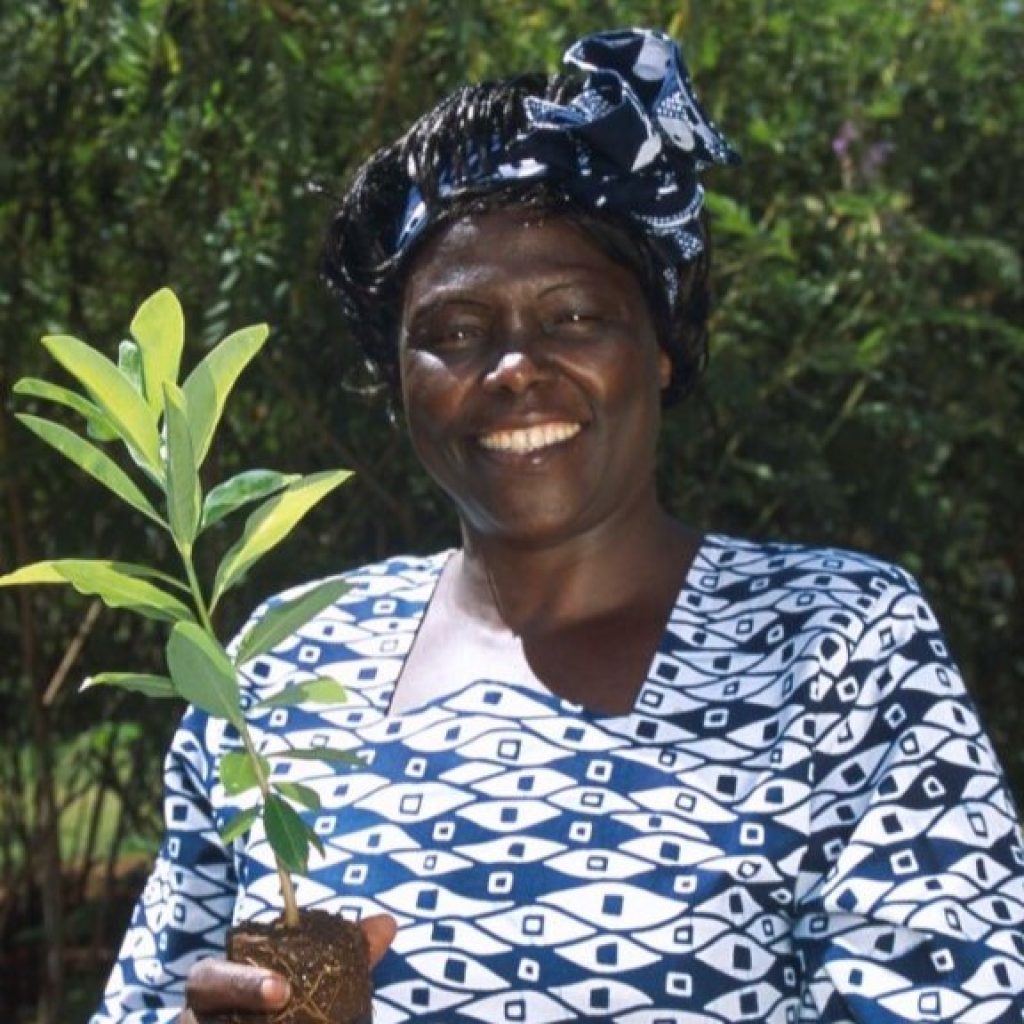
Today, many of those lessons are helping shape a new generation of women-led restoration enterprises.
Yet significant challenges remain. Access to affordable financing continues to constrain growth, particularly for women-owned businesses seeking to expand operations, invest in irrigation systems or improve nursery infrastructure.
Mwangi argues that the most successful restoration policies move beyond tree-planting targets and focus on building functioning markets. Public procurement systems that prioritise locally sourced seedlings, incentives for agroforestry adoption, extension services and access to affordable financing can all help strengthen restoration enterprises.
Susan Boit, National Coordinator for the 15 Billion Trees Initiative, believes the opportunity should be viewed through a broader economic lens.

“The restoration programme under the 15-billion-tree initiative should be viewed as part of a broader nature economy rather than simply a tree-planting exercise,” she says. “It encompasses forestry, agroforestry, watershed protection, timber production, bamboo cultivation, fruit tree value chains and ecosystem services. Together, these sectors have the potential to create a multi-billion-shilling industry by 2032.”
Despite the challenges, optimism remains high. As restoration markets continue to expand, new opportunities are expected to emerge in seed production, agro-processing, ecotourism and sustainable forestry.
What is becoming increasingly clear is that restoration is no longer only about recovering degraded landscapes. Across rural Kenya, it is helping create businesses, strengthen livelihoods and generate new economic opportunities. Women entrepreneurs are not simply participating in this transformation; they are increasingly helping drive it.