For years, Kenya’s tree-growing campaigns have largely been framed as an environmental solution to climate change and land degradation. But across the country’s drylands, a different story is emerging.
Trees are increasingly becoming income-generating assets, creating new opportunities for farmers seeking to diversify earnings in the face of rising climate risks and economic uncertainty.
From fruit production and beekeeping to fodder sales and future carbon markets, agroforestry is transforming what was once viewed as a conservation practice into a growing rural business model.
A shift from conservation to commerce
The shift comes as Kenya pushes to plant 15 billion trees by 2032, a target that is creating fresh conversations about whether tree growing could evolve into one of the country’s most significant green economy sectors.
In counties such as Kitui, farmers are already demonstrating the commercial potential. By integrating trees into farming systems, households are generating revenue from multiple sources while improving soil health, boosting crop yields and strengthening resilience against drought.
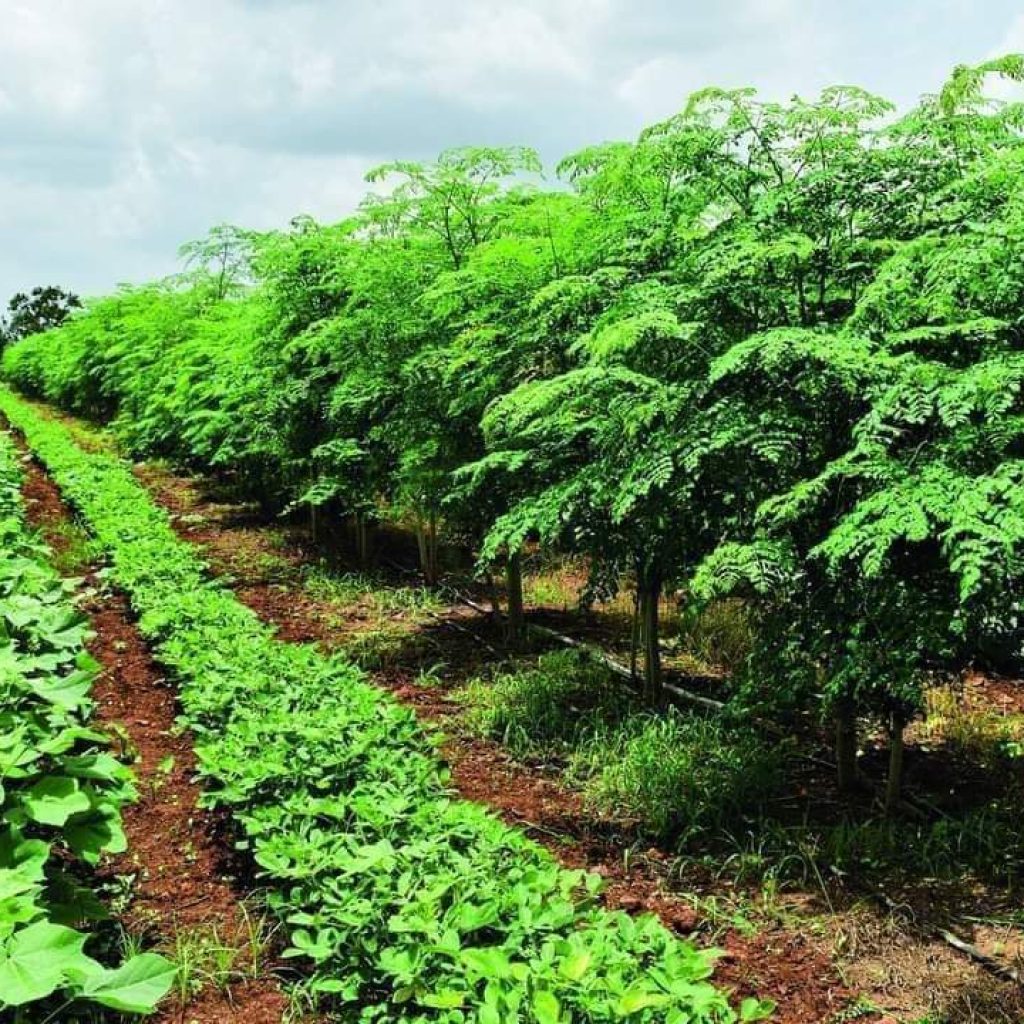
Through the Acorn Program, a climate-smart agroforestry initiative implemented through the Cereals Growers Association (CGA), farmers in Kitui County are demonstrating how trees can become part of a farm’s productive asset base, generating value through crops, livestock, honey production, fodder, fruit farming, fuelwood and potentially future carbon markets. Urbanus Sanga, an Agribusiness Coordinator with CGA in Kitui, says the organization’s
The initial objective was to promote agroforestry as a climate adaptation and environmental restoration strategy.
“This was launched as a conservation intervention strategy. However, over time it has increasingly become a farm productivity investment and farmers are already experiencing measurable economic benefits,” says Sanga.
Why Agroforestry Matters Now
Farmers operating in drought-prone areas are now enjoying stronger yields, reduced production risks and more reliable returns from Agricultural Investments after embracing agroforestry. Trees help improve soil structure, reduce erosion, increase moisture retention and create favorable microclimates for crop production.
Since its launch, the program has benefitted more than 35,000 farmers in 12 counties across the country while restoring 18,000 hectares of degraded farmland. In the past two years, more than 500,000 trees have been planted.
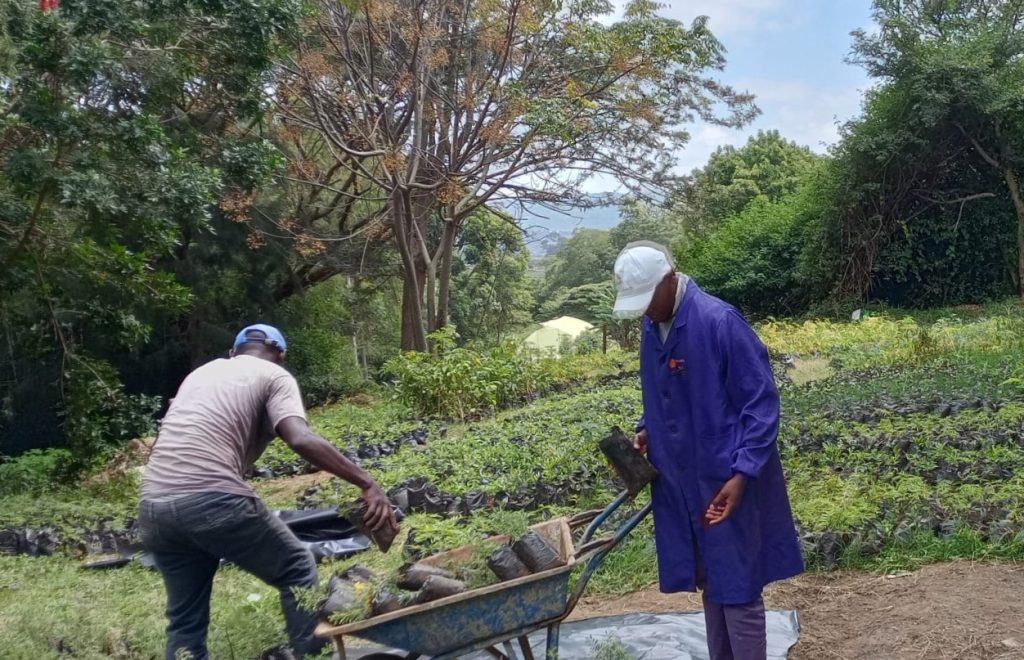
Currently, CGA is establishing a tree nursery holding approximately 1.2 million seedlings to support future restoration and tree-growing efforts.
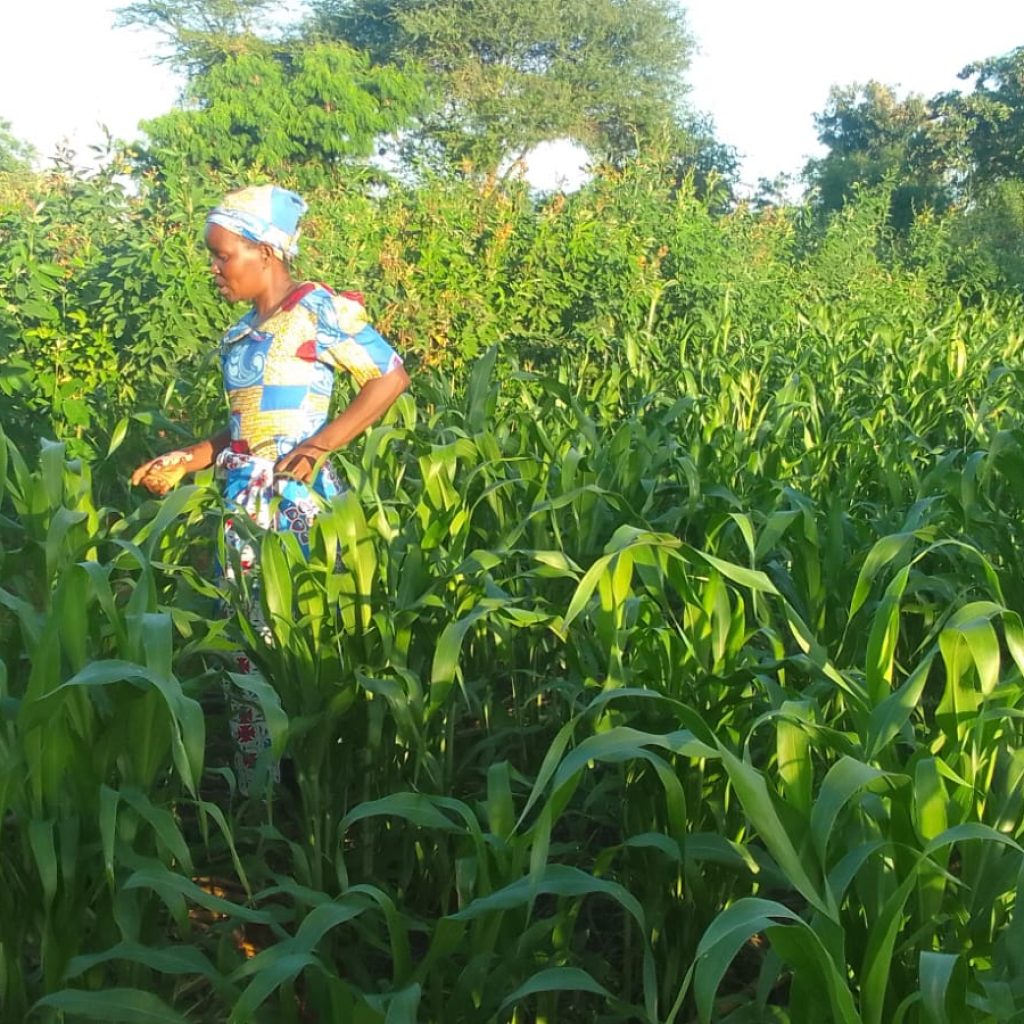
Farmers are encouraged to combine tree planting with certified seeds, fertilizers, conservation tillage, mulching and soil conservation practices to maximize productivity while protecting natural resources.
To help farmers identify tree species best suited to their local weather conditions, JazaMiti Platform, a digital application, was launched with the intention of improving survival rates and protecting investments in seedlings and labor.
Trees as income generators
Across Kenya’s drylands, trees are increasingly becoming income-generating assets rather than simply environmental interventions.
Fruit trees such as mangoes, lemons and citrus provide marketable produce, while species including moringa, neem, acacia and Melia Volkensii are creating commercial opportunities linked to timber, fuelwood, fodder and other tree-based products.
For livestock farmers, fodder trees are emerging as one of the most immediate economic opportunities. Species such as Calliandra and Sesbania not only improve pasture availability but can also increase milk production. Field trials indicate that feeding just one kilogram of fodder from these trees can increase milk output by at least one litre per cow per day. With milk currently retailing at between KSh42 and KSh46 per litre, the additional production can translate directly into increased daily household income.
The productivity gains extend beyond livestock. According to data from the Cereals Growers Association (CGA), farmers combining agroforestry with conservation agriculture are achieving yield increases of between 20 and 25 percent while reducing production costs by between 20 and 30 percent through lower spending on fertilizers, irrigation and livestock feed.
Those gains are becoming increasingly important as climate change places greater pressure on conventional farming systems, particularly in Kenya’s arid and semi-arid counties, where droughts are becoming more frequent and severe.
At the same time, Kenya has committed to growing 15 billion trees by 2032 and increasing national tree cover to 30 percent. Globally, investors are directing billions of dollars toward climate-smart agriculture, regenerative farming and nature-based solutions.
Together, these trends are transforming agroforestry from a conservation activity into a potentially investable sector.
Few farmers illustrate that transition better than Mitau Nzomo of Kitui County.
After a business venture collapsed in 2004, Nzomo turned to tree farming as an alternative source of income. More than two decades later, that decision has evolved into a diversified agricultural enterprise generating revenue from mangoes, honey, fodder, livestock and fuelwood.
Today, Nzomo manages more than 300 mature mango trees. By strategically producing fruit outside peak harvesting periods, he is able to secure farm-gate prices of up to KSh20 per mango.
His beekeeping enterprise has also become a significant revenue stream. Between February and May this year, he harvested approximately 100 kilograms of honey. At KSh1,000 per kilogram, the harvest generated around KSh100,000 in revenue. He currently manages 24 beehives across the farm.
The economics extend beyond honey production. Trees provide nectar and pollen for bees, while the bees improve pollination rates for crops and fruit trees, creating a self-reinforcing production system.
Nzomo has also invested in fodder production. During rainy seasons, he stores more than 1,000 bales of fodder. In dry periods, when demand rises sharply, each bale sells for no less than KSh300, creating a potential gross revenue stream of more than KSh300,000 per season. His experience reflects a much larger market opportunity.
Expanding Kenyan Tree Economy
Research published by the Consultative Group on International Agricultural Research (CGIAR), citing Horticultural Crops Directorate data, shows Kenya has produced an average of approximately 650,000 metric tonnes of mangoes annually since 2010, generating an estimated gross production value of US$84.4 million.
Honey presents another sizeable opportunity. Government estimates released in 2026 placed national honey production at about 19,000 metric tonnes against demand exceeding 43,000 metric tonnes, highlighting a significant supply gap. Early industry studies estimated annual honey production at approximately 25,000 metric tonnes, contributing KSh4.3 billion to the economy, while the country’s production potential exceeds 100,000 metric tonnes annually. The opportunity has not gone unnoticed by policymakers.
Under the National Agroforestry Strategy 2025-2035, Kenya aims to establish five million acres of woodlots in drylands, modernize the charcoal value chain and strengthen markets for tree-based products as part of efforts to achieve 30 percent national tree cover by 2032.
Monetising Carbon storage
Beyond current income streams, agroforestry could eventually unlock another revenue source through carbon markets. As trees mature, they absorb and store carbon, creating the potential for farmers to earn carbon credits sold to organizations seeking to offset emissions.
Globally, nature-based solutions are attracting increasing interest from climate investors because they combine environmental restoration with measurable economic and social outcomes.
For smallholder farmers, however, participation in carbon markets will depend on aggregation models, measurement systems and verification mechanisms capable of bringing thousands of producers into commercially viable programs.
If these barriers can be addressed, carbon finance could provide an additional revenue stream that further strengthens the business case for agroforestry across Kenya’s drylands. The significance of agroforestry extends far beyond individual farms.
As climate change places increasing pressure on agricultural systems, governments, investors and development partners are searching for solutions capable of improving food security, restoring degraded landscapes, strengthening rural incomes and building resilience simultaneously.
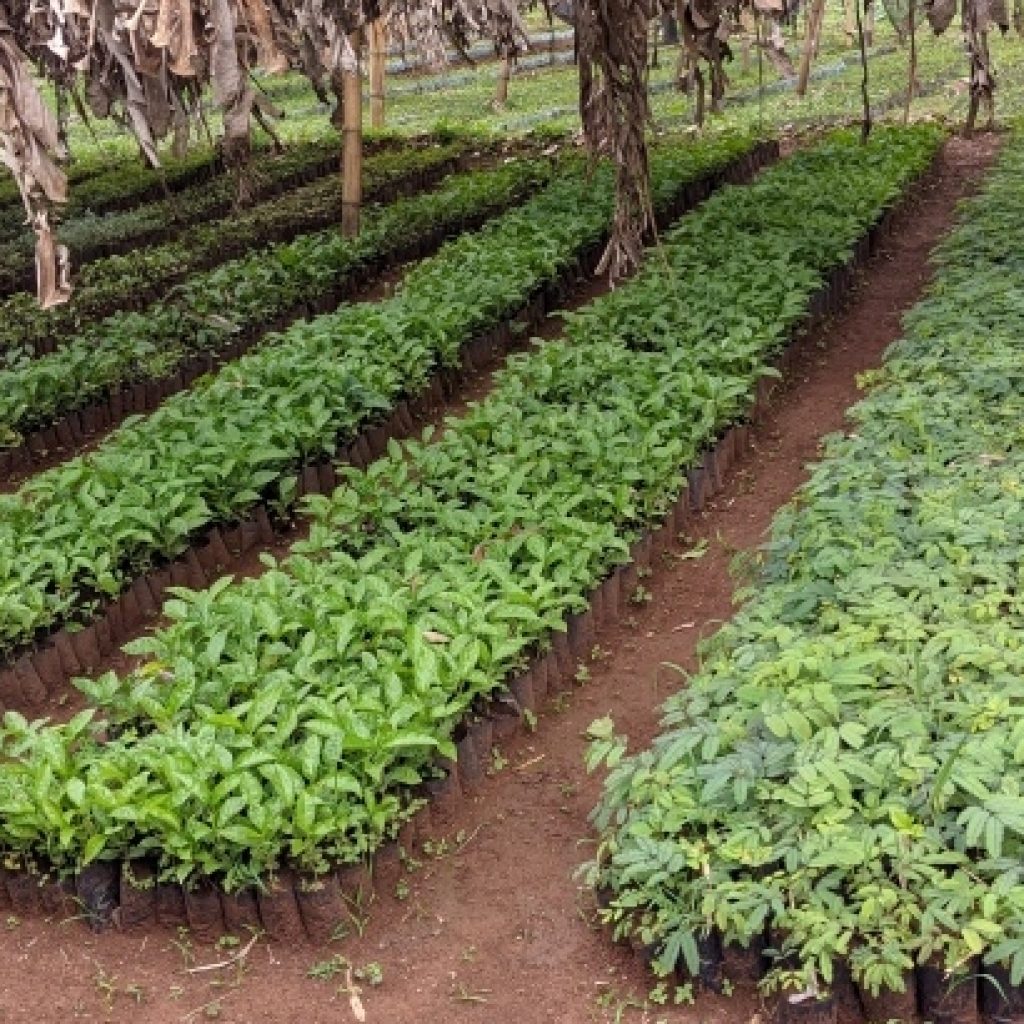
For Kenya, agroforestry is emerging as one of the most practical pathways to achieving its ambitious target of growing 15 billion trees and increasing national tree cover to 30 percent by 2032.
Achieving those goals through public forests alone would be difficult given population growth, competing land-use demands and the need to maintain agricultural production. Agroforestry offers a scalable alternative by integrating trees into farms, grazing lands and community landscapes without taking land out of production.
The approach is increasingly being viewed not only as a climate intervention but also as an economic opportunity. By creating value from fruit production, livestock, honey, timber, fodder and potentially carbon credits, agroforestry allows farmers to generate income while restoring ecosystems.
This dual role is attracting growing attention at a time when global capital is flowing into climate-smart agriculture, regenerative farming and nature-based solutions.
For farmers such as Mitau Nzomo, the business case is already evident. What began as a response to financial hardship has evolved into a diversified enterprise built around trees and the multiple income streams they support.
The broader question is whether policymakers, financiers and investors will move quickly enough to unlock the sector’s full potential.