More than a decade after Kenya’s Constitution entrenched the principles of equality, inclusion and freedom from discrimination, a new report has revealed that women, persons with disabilities and marginalized communities remain significantly underrepresented in the country’s public service.
The findings, released by the National Gender and Equality Commission (NGEC) during a County Leadership Engagement in Kilifi, paint a picture of steady but uneven progress, with constitutional commitments yet to translate into equitable representation in public institutions.
According to the 2025 Gender and Equity Report in the Public Sector, women occupy only 37 percent of senior leadership positions in the public service and 36 percent of board positions in state institutions. Persons with disabilities account for just 1.6 percent of the public sector workforce, falling well below the constitutional target of at least 5 percent, while minority and marginalized communities make up only 2.3 percent of employees.
The report is based on an assessment of 390 ministries, departments and state agencies covering the 2022/2023 financial year, evaluating compliance with constitutional and policy requirements on equality and inclusion.
Speaking during the launch of the report, NGEC Chairperson Rehema Jaldesa said the statistics demonstrate that despite the existence of progressive laws and policies, significant gaps remain in implementation.
“Looking at the figures presented today, and figures do not lie, we can clearly see the gaps that still exist. Inclusion is not a joke; inclusion is a right. We will only win this battle through collaboration and partnership with all stakeholders,” Jaldesa said.
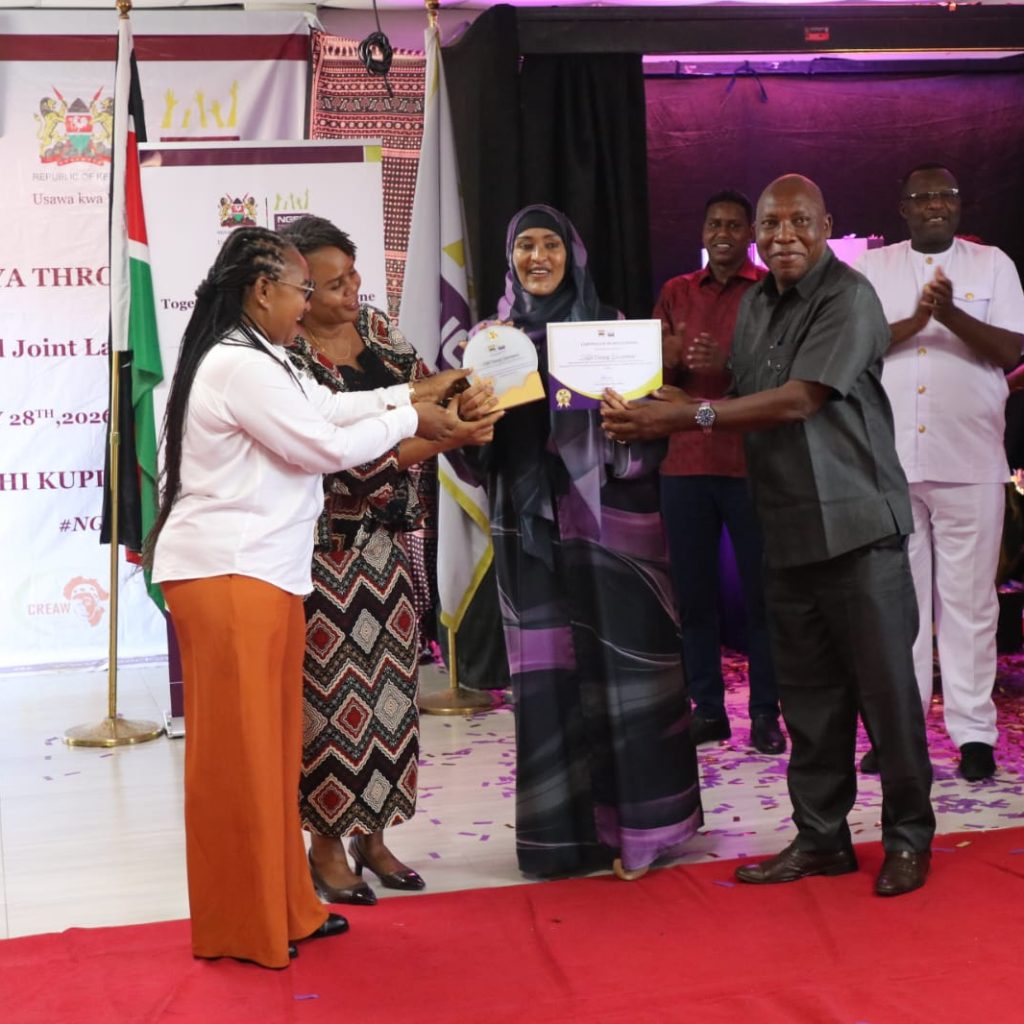
She emphasized that the Commission’s mandate extends beyond gender to safeguarding the rights of women, youth, children, older persons, persons with disabilities, minorities and marginalized communities.
Jaldesa called for stronger collaboration between national and county governments, constitutional commissions, development partners and civil society organizations to accelerate the implementation of equality and inclusion policies.
“The constitutional framework is already in place. What we need now is collective action to ensure those commitments are reflected in employment, leadership and service delivery,” she said.
While the report points to progress in policy development, it also highlights shortcomings in implementation. It found that 90 percent of public institutions have workplace gender equality policies, while 83 percent have policies addressing gender-based violence. However, compliance and enforcement remain inconsistent across government institutions.
The Commission attributes the slow pace of progress to inadequate funding, limited technical capacity, entrenched patriarchal norms, and persistent misconceptions that gender equality concerns only women. It also cites negative attitudes toward employing persons with disabilities and individuals from marginalized communities as barriers to achieving constitutional targets.
To close the gaps, NGEC has recommended that all public institutions allocate at least 1.5 percent of their annual budgets to gender equality and inclusion programmes, strengthen compliance with constitutional provisions, increase recruitment of persons with disabilities and marginalized groups, and build institutional capacity to effectively implement inclusion policies.
Kilifi Deputy Governor Flora Chibule, who represented Governor Gideon Mung’aro at the event, urged policymakers to broaden the conversation beyond women’s representation and embrace inclusion for all special interest groups.
“When we talk about gender, we should not only focus on gender itself but also on equality and inclusion. Equality is about ensuring that everyone has an equal opportunity,” Chibule said.
She noted that while Kenya has made encouraging progress toward improving women’s representation, the country must also address the needs of widows, single mothers, young mothers, older persons, persons with disabilities and marginalized communities.
Chibule also challenged the perception that gender equality is solely about increasing women’s participation, noting that disparities can affect both men and women.
“In one institution we assessed, nearly all the teachers were women. Gender equality is about achieving balance and fairness wherever disparities exist,” she said.
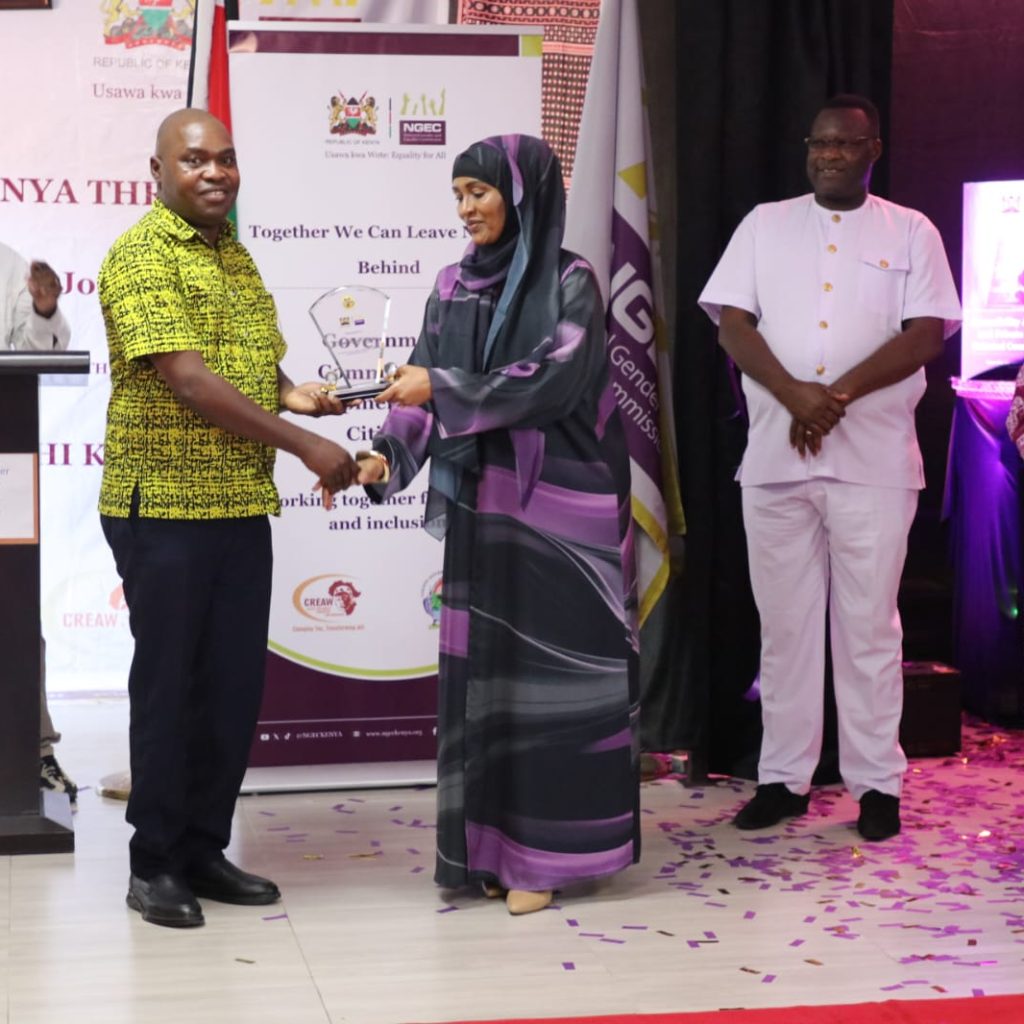
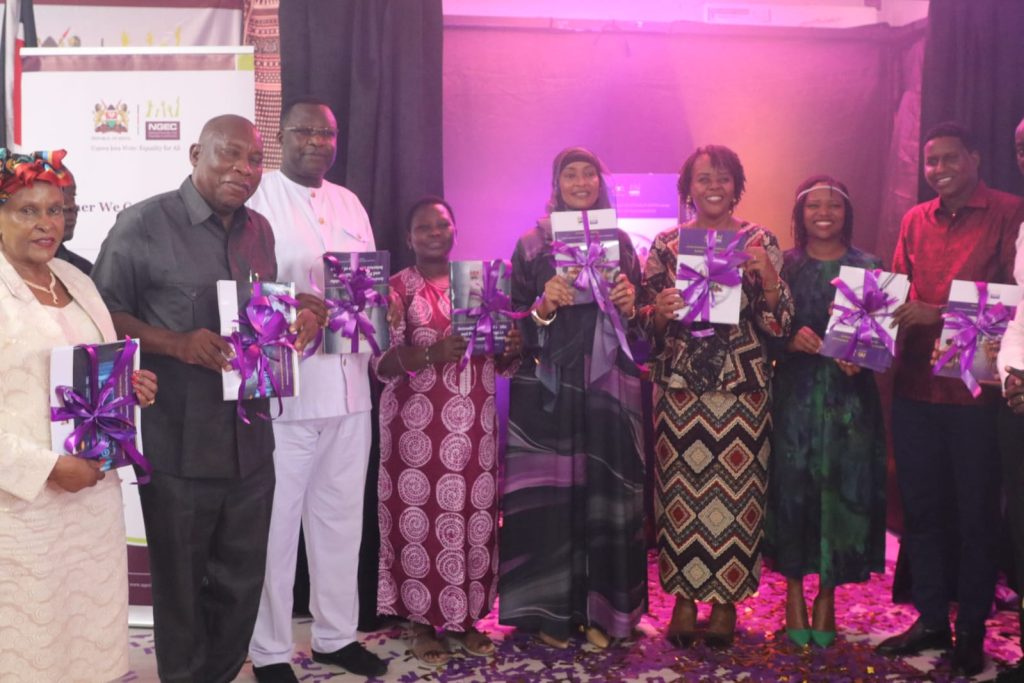
During the event, NGEC also launched three other publications: the Gender Audit on the Status of the Teachers’ Workforce in Kenya, the Status Report on Equality and Inclusion in the Boards of Management and Top Management of State Corporations, and the 2025 Accessibility Audit Report. The Commission said the reports are intended to strengthen evidence-based policymaking and support public institutions in advancing equality and inclusion.
The latest findings underscore a persistent challenge for Kenya. While the country has established one of Africa’s most progressive constitutional frameworks on equality and inclusion, the report suggests that meaningful progress will depend less on new policies and more on sustained implementation, adequate funding and stronger institutional accountability to ensure that every Kenyan has an equal opportunity to participate in public life.