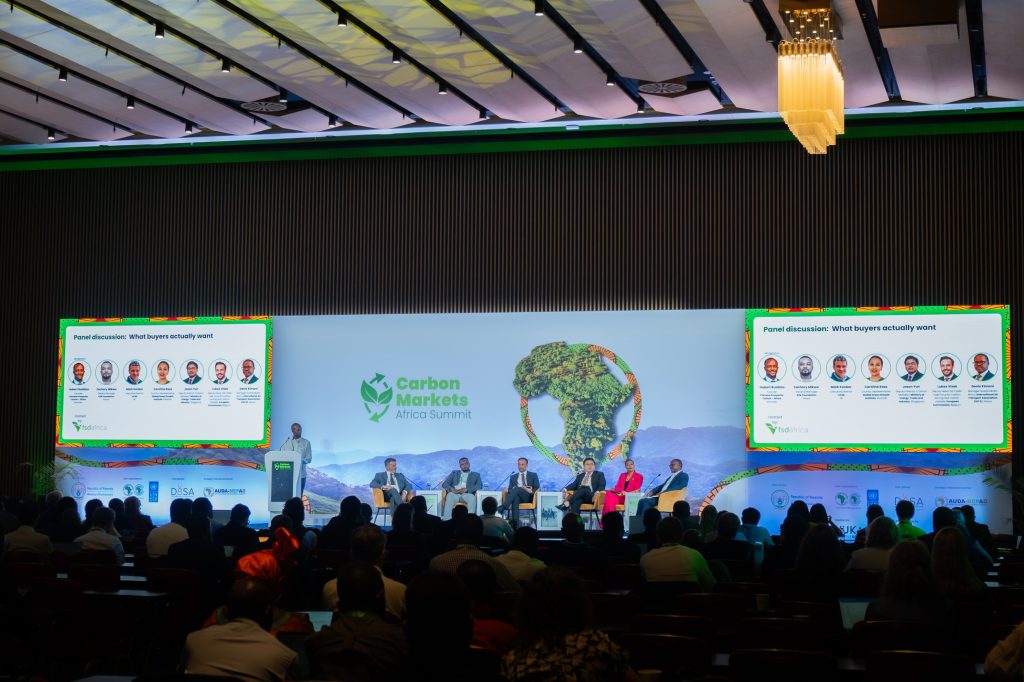
A new financing platform targeting US$100 million aims to help African nature and nature-based carbon projects overcome funding barriers and attract investment before generating revenue from carbon credits.
The Africa Nature Impact Fund was announced on October 13 at the Carbon Markets Africa Summit 2026 in Kigali. Developed by Finance Earth in partnership with FSD Africa and FSD Africa Investments (FSDAi), the fund has secured a £5 million cornerstone commitment from FSDAi and is targeting an initial close of US$20 million in 2027.
The initiative seeks to address a major challenge facing nature-based projects across Africa: the difficulty of securing capital for project preparation, development and implementation before carbon credits can be sold.
More than 62% of Africa’s gross domestic product depends on natural capital, according to FSD Africa, yet investment in nature-based carbon and biodiversity projects remains below what is needed to bring many promising initiatives to scale.
Financing projects before they generate revenue
Africa Nature is designed to provide funding at different stages of project development, from early preparation and commercial piloting to implementation. The goal is to help projects move from pre-revenue stages towards sustainable, long-term contracted income.
The platform builds on the Carbon Accelerator Programme for the Environment (CAPE), delivered by FSD Africa with Finance Earth. The programme has assessed more than 300 projects and developed a pipeline representing potential carbon benefits of more than 3.4 billion tonnes of carbon dioxide equivalent across 76.5 million hectares.
James Mansfield, managing director of Finance Earth, said African nature-based projects often struggle to access the patient and appropriately structured capital needed to succeed.
“Africa Nature is designed to change this by financing projects equitably and building local investment and governance structures, so that African nature assets are financed by African financial institutions,” he said.
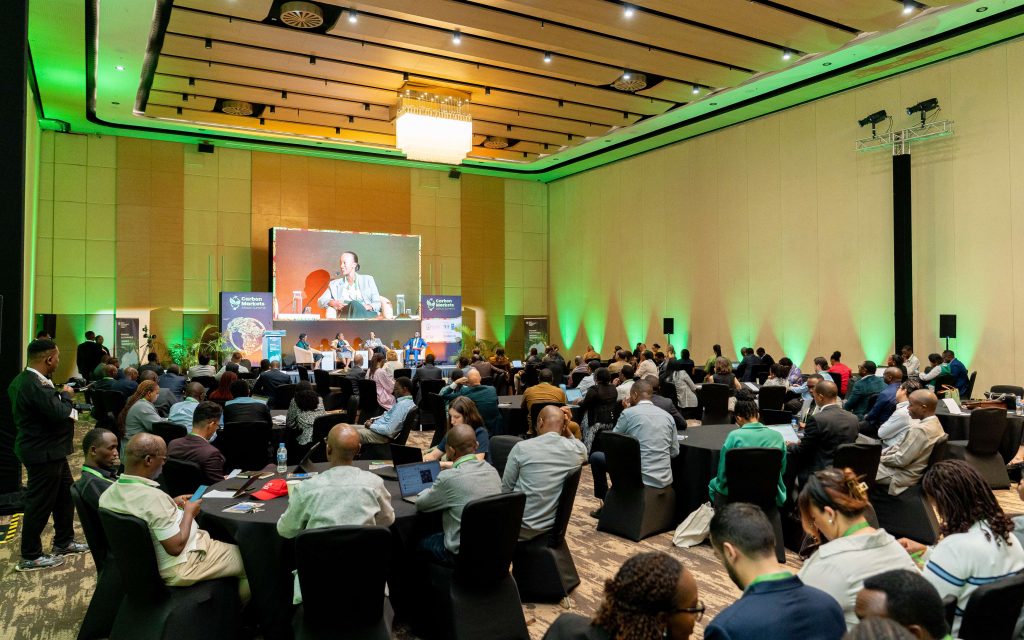
Community benefits and environmental targets
The fund aims to protect or regenerate 4.5 million hectares of land, sequester or avoid more than 100 million tonnes of carbon dioxide equivalent over the lifetimes of supported projects, and improve the livelihoods of 1.4 million people, half of them women. It also targets the protection of more than 60 animal and plant species.
These are projected outcomes, not results already achieved.
The platform will require supported projects to have meaningful benefit-sharing arrangements that direct a substantial share of gross carbon value to host communities. It aims to generate approximately US$450 million for local communities.
Anne-Marie Chidzero, chief investment officer at FSD Africa Investments, said the cornerstone commitment is intended to reduce risks associated with high-integrity nature projects and attract additional institutional and local investment.
The initiative also plans to work with African financial institutions to strengthen local expertise in carbon markets and support long-term African ownership, financing and governance of nature-related assets.
A wider push to mobilise sustainable finance
The fund was announced during the Carbon Markets Africa Summit, held at the Kigali Convention Centre from October 13 to 15. The gathering brought together governments, project developers, investors, carbon-credit buyers and technical specialists to discuss how African countries can develop credible projects, attract investment and retain greater value for their communities.
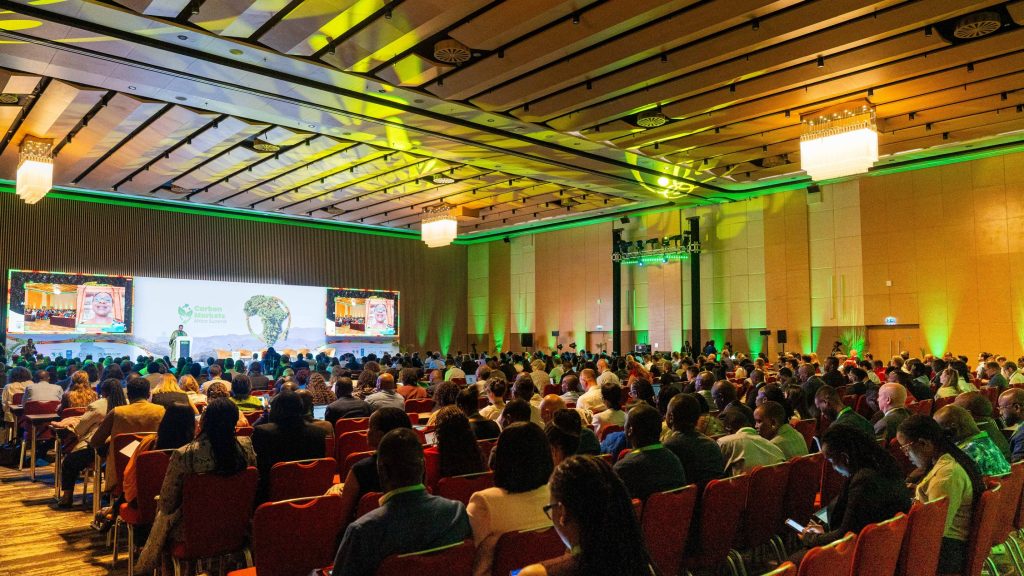
Discussions covered blue carbon, reforestation, agriculture, rangeland restoration, and waste-related solutions, along with project integrity, carbon-credit pricing, financing arrangements, and access to buyers.
Rwanda also advanced its sustainable finance agenda during the summit. On October 15, the Kigali International Financial Centre launched the country’s Sustainable Finance Roadmap 2.0, setting priorities through 2030 to strengthen investment readiness, carbon finance and sustainability data.
Together, the initiatives reflect efforts to connect Africa’s natural resources with financing that can support conservation, climate action and local economic development.
Africa Nature’s next major milestone is its planned US$20 million first close in 2027. Its longer-term progress will depend on its ability to attract further investment, support viable projects and deliver measurable environmental and community benefits.