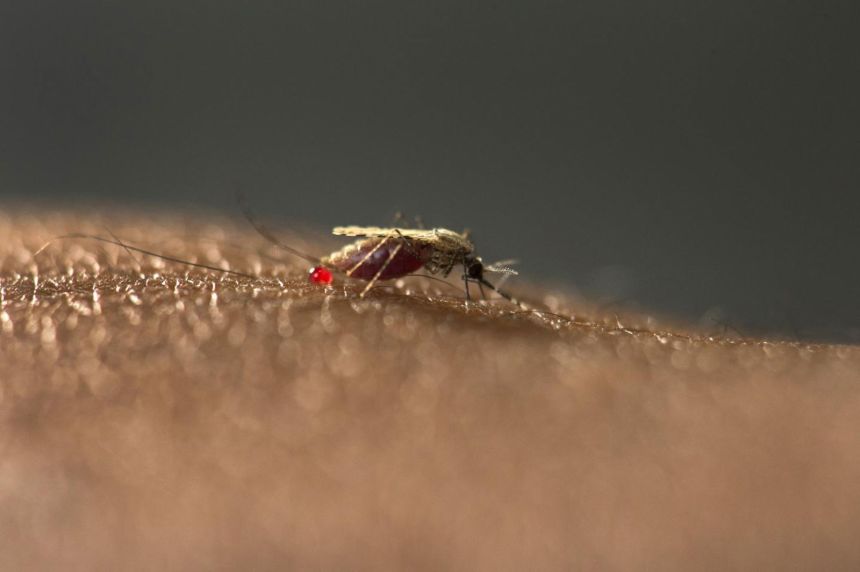
The mosquito remains Africa’s deadliest animal by a wide margin, as malaria continues to kill hundreds of thousands of people each year across the continent, the World Health Organization says. In 2024, the WHO estimated 610,000 malaria deaths globally, with 95% of cases and deaths occurring in the African Region.
Health experts say the threat extends beyond malaria. Mosquitoes also spread dengue, yellow fever, Zika and other vector-borne diseases, which together cause more than 700,000 deaths annually worldwide, according to WHO.
The burden is heaviest in sub-Saharan Africa, where children under 5 account for most malaria deaths. WHO says malaria is preventable and curable, but transmission remains widespread in many tropical countries where health systems face persistent gaps in prevention, testing and treatment.
Officials and scientists warn that climate change, flooding, urbanization and population movement are helping mosquitoes spread into new areas, increasing the risk of outbreaks. WHO says warmer temperatures and related environmental changes are among the factors driving the wider spread of mosquito-borne diseases.
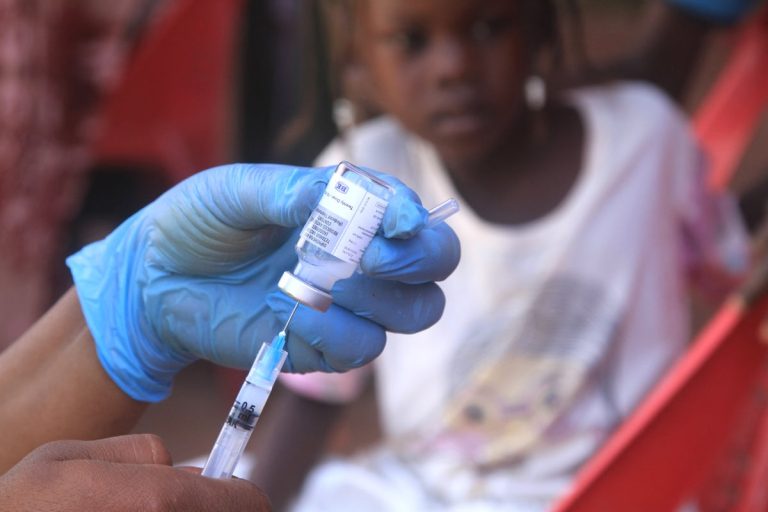
Across Africa, the fight against mosquitoes remains central to public health efforts, with governments and aid agencies relying on bed nets, spraying, vaccination campaigns and improved access to treatment to reduce deaths and protect economic activity.