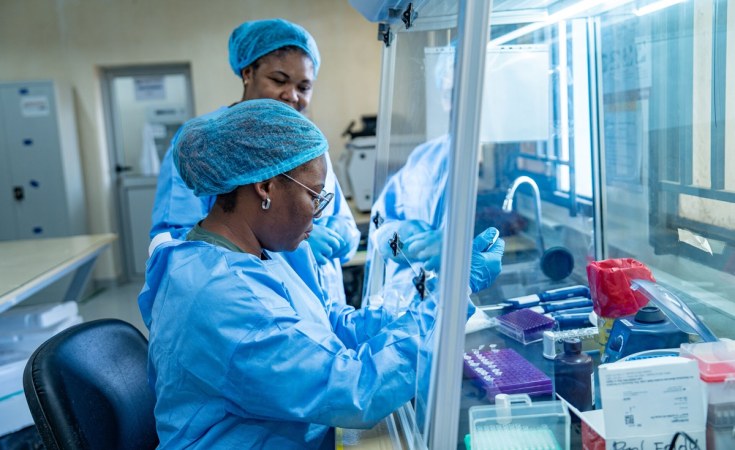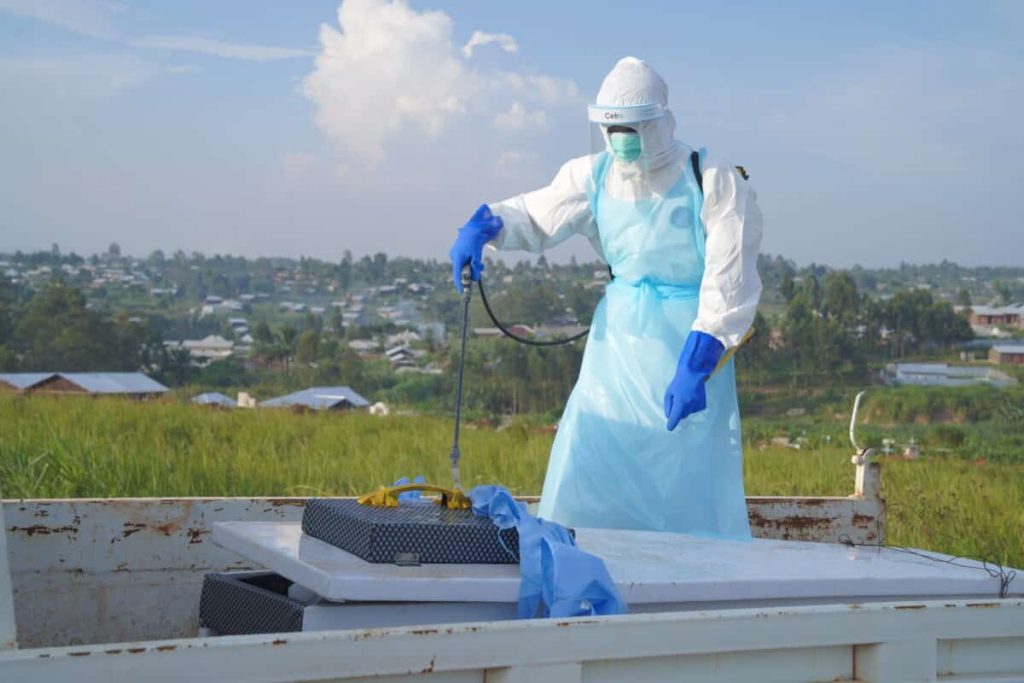
The Democratic Republic of Congo is set to receive 70,000 doses of an Ebola vaccine, but there is a major uncertainty: the vaccine was developed and approved for a different strain of the virus.
The World Health Organization said Thursday that the doses of Ervebo will be released for limited use and a clinical trial as Congo battles its deadliest Ebola outbreak on record.
The vaccine is approved for protection against the Zaire strain of Ebola, but the current outbreak is being driven by the less common Bundibugyo strain, for which there is currently no approved vaccine or specific treatment.
The allocation follows a request from the Congolese government last week. The country has recorded more than 5,000 Ebola cases and over 2,300 deaths since the outbreak was declared on May 15.
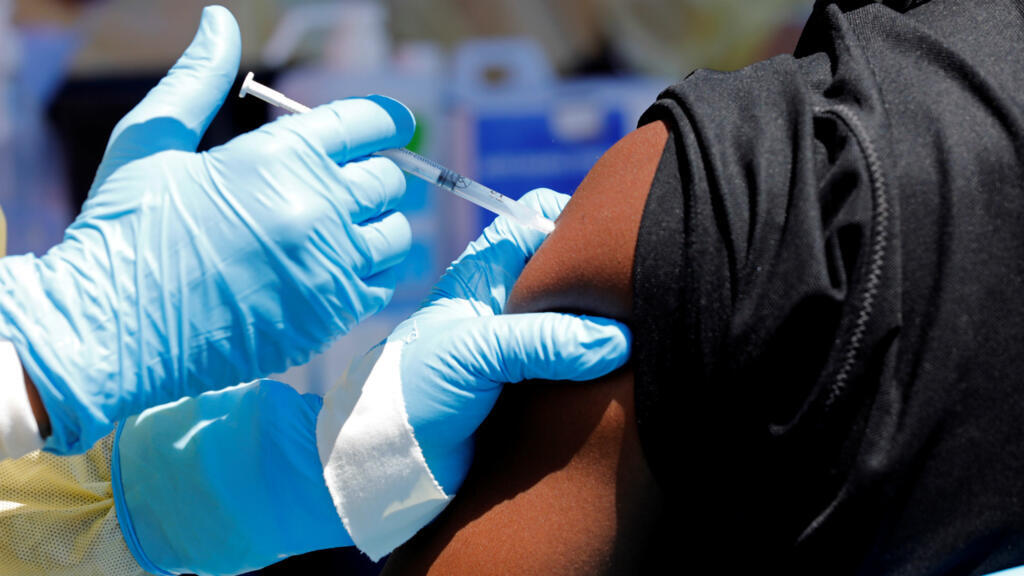
How the 70,000 doses will be used
The WHO said the allocation has been divided into two main categories:
- 20,000 doses will be used in a Phase 3 clinical trial to determine whether Ervebo can protect against the Bundibugyo strain.
- 50,000 doses will be made available to frontline and health workers as part of the outbreak response.
The doses are being released through the International Coordination Group for Vaccine Provision, following the request from the DRC government.The WHO said the planned use is consistent with recommendations from its Strategic Advisory Group of Experts on Immunization, known as SAGE.
Why the vaccine is being tested
Ervebo has already demonstrated strong protection against the more common Zaire strain of Ebola. But scientists do not yet know whether that protection extends to Bundibugyo.
Early evidence, including results from animal studies, suggests the vaccine could offer some cross-protection. However, researchers need human data to establish whether it can actually prevent infection or severe disease caused by the Bundibugyo virus.
That is why the 20,000-dose Phase 3 trial is significant. It could provide evidence on whether an existing Ebola vaccine can be used against a strain it was not originally designed to target.
A record outbreak
The DRC’s current outbreak is the country’s 17th Ebola epidemic and has already surpassed previous outbreaks in scale by case count.The WHO says the outbreak may have been spreading for several weeks before it was officially declared on May 15.
It has affected areas in northern and eastern Congo where limited health infrastructure, weak state presence and the activity of armed groups have made disease control more difficult.
Ebola spreads through contact with infected bodily fluids and can cause severe haemorrhagic fever. More than 15,000 people have died from Ebola in Africa over the past 50 years.
For Congo, the immediate priority is containing an outbreak that has already surpassed 5,000 cases and 2,300 deaths. For scientists, the 20,000-dose trial could answer another critical question: whether Ervebo can offer protection against the Bundibugyo strain.
The 70,000 doses therefore represent both an emergency response and a major scientific test, with the results potentially shaping how future Bundibugyo outbreaks are controlled.