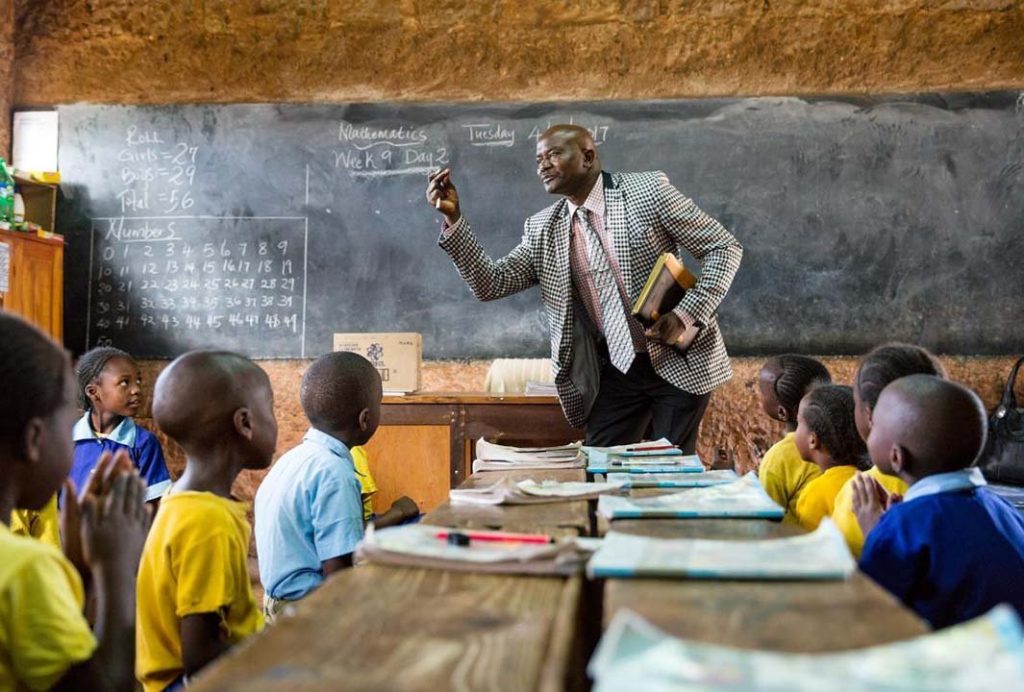
Every morning, millions of teachers across Africa enter classrooms carrying the hopes of a generation but many are doing so under conditions that make an already demanding profession increasingly difficult.
As the world marks World Teachers’ Day on October 5, the celebration offers an opportunity to look beyond appreciation messages and examine the realities facing the people expected to deliver Africa’s education ambitions.
Across East Africa and the wider continent, school enrolment has expanded significantly over the years. But in many places, the growth in the number of students has placed additional pressure on teachers, classrooms and learning materials.
A teacher may be expected to support dozens of students with different abilities while also meeting curriculum requirements and examination targets. In crowded classrooms, providing individual attention can become a challenge in itself.
More demands, fewer hours
The job has also expanded beyond teaching lessons. Teachers increasingly find themselves addressing students’ social and emotional needs, communicating with parents, completing administrative work and adapting to new teaching methods and technologies.
The arrival of artificial intelligence adds another layer. While AI could help teachers prepare lessons, personalise learning and improve access to educational resources, many educators still need training and reliable digital infrastructure before such tools can become genuinely useful in their classrooms.
For schools in rural and underserved communities, basic challenges such as electricity, internet connectivity, teaching materials and adequate classroom space can remain more immediate concerns.
The pressure behind the profession
There is also a human cost that is easy to overlook. Teachers have their own families, financial responsibilities and personal challenges. Where workloads are high and opportunities for professional development are limited, the pressure can affect morale and retention.
This is particularly important for countries facing teacher shortages. Recruiting more educators is only part of the solution; education systems also need to create conditions that encourage experienced teachers to remain in the profession.
That means treating teachers not simply as a resource for delivering government education targets, but as professionals whose pay, workload, training, safety and wellbeing directly affect the quality of education children receive.
Africa’s education test
Africa’s young population represents enormous potential. But turning that demographic advantage into economic and social progress will depend on whether children leave school with meaningful knowledge and skills.
That makes the teacher one of the most important figures in Africa’s development story.
World Teachers’ Day should therefore be more than a celebration of a profession. It should be a reminder that education reform begins with the people inside the classroom.
If African countries want better learning outcomes, they must ensure teachers have the time, tools, training and conditions to deliver them.
The future may be shaped by technology and new economic opportunities, but for millions of African children, that future still begins with a teacher standing at the front of a classroom.