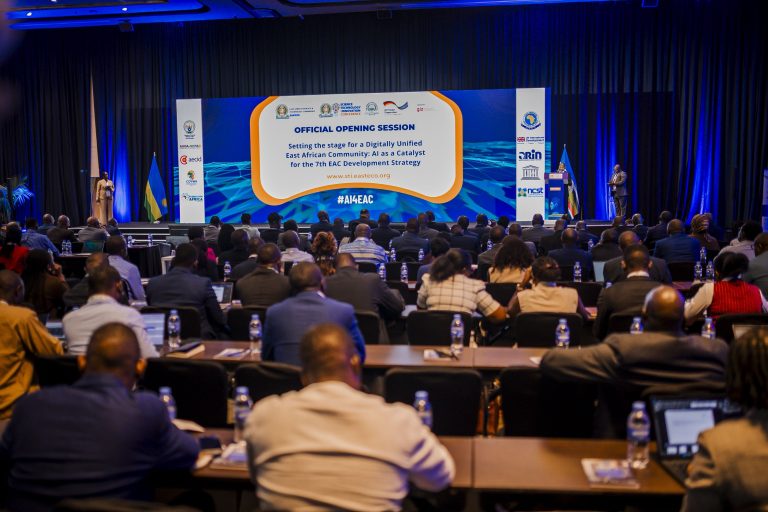
Africa has taken a significant step toward improving access to biotechnology and biosafety information with the launch of a new continental digital platform designed to make regulatory data more accessible, transparent and easier to navigate.
The platform, known as the Biotech Africa Database, provides country-specific information on biotechnology crop approval decisions, biosafety regulations, and requirements governing the import, export and transit of biotech products across the continent.
Developed by the International Service for the Acquisition of Agri-biotech Applications (ISAAA AfriCenter) together with its partners, the platform is expected to support informed decision-making, facilitate regional trade, strengthen regulatory transparency and promote the responsible deployment of agricultural biotechnology in Africa.
For years, biotechnology and biosafety information in Africa has been dispersed across government agencies, regulatory websites, gazette notices and technical documents, making it difficult for stakeholders to access reliable and up-to-date information. This fragmentation has often led to delays, uncertainty and compliance challenges for traders, regulators, researchers and value-chain actors operating across borders.
The new platform seeks to address these challenges by consolidating critical regulatory information in a single, user-friendly database.
Speaking during the launch, ISAAA AfriCenter Director Dr. Margaret Karembu described the platform as a transformative tool for improving access to credible biotechnology information across Africa.
“Today we have opened a door where data replaces rumours, where a farmer in Kampala sees the same biotech information as a researcher in Kaduna, as a trader in Johannesburg and as a policymaker in Addis Ababa,” she said.
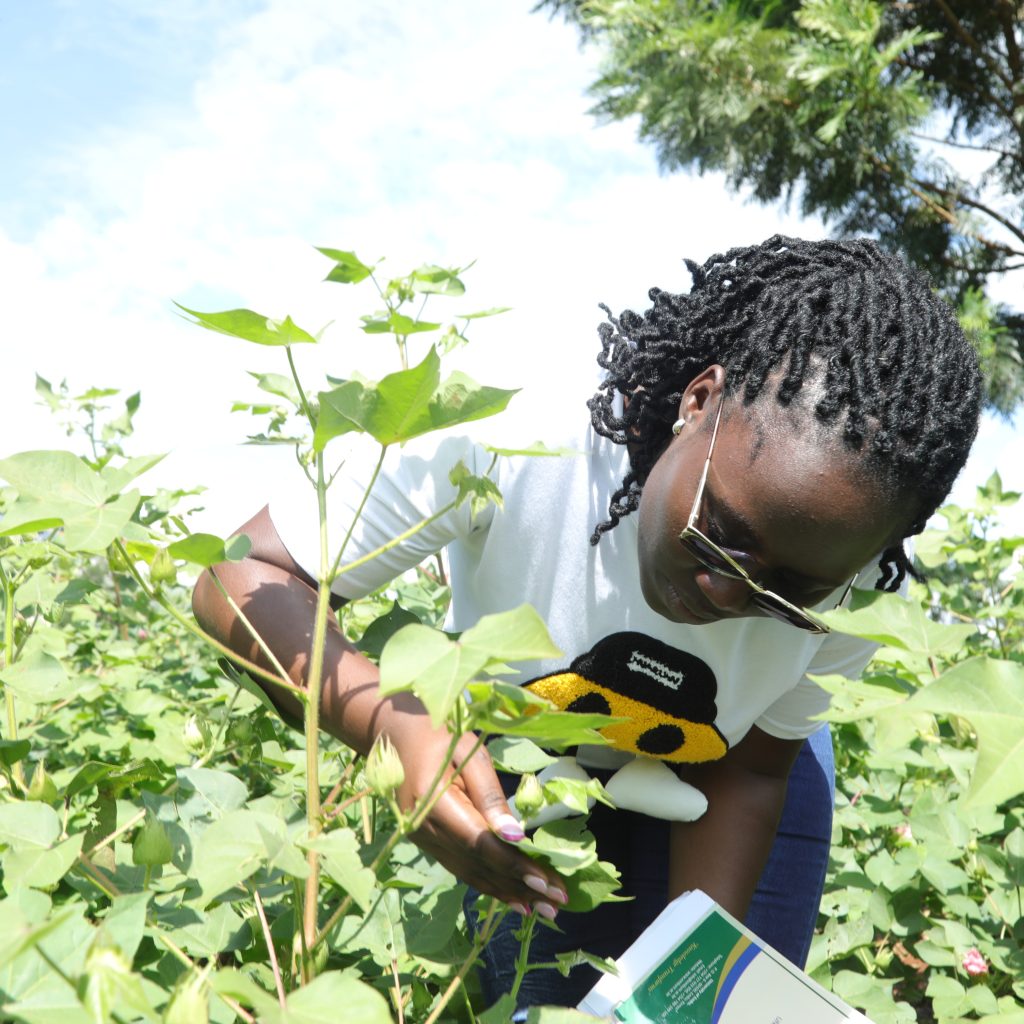
The database provides users with quick access to regulatory approval decisions, biosafety requirements and guidance on application procedures for moving biotech products between countries. Stakeholders say this will help improve compliance, enhance transparency and encourage knowledge sharing among African nations.
The launch comes as biotechnology continues to play an increasingly important role in addressing food security challenges, climate change and agricultural productivity across the continent.
According to data presented during the launch, more than 20 biotech crops are currently cultivated globally in 31 countries, covering approximately 218.71 million hectares. An additional 29 countries import biotech products for food, feed and processing.
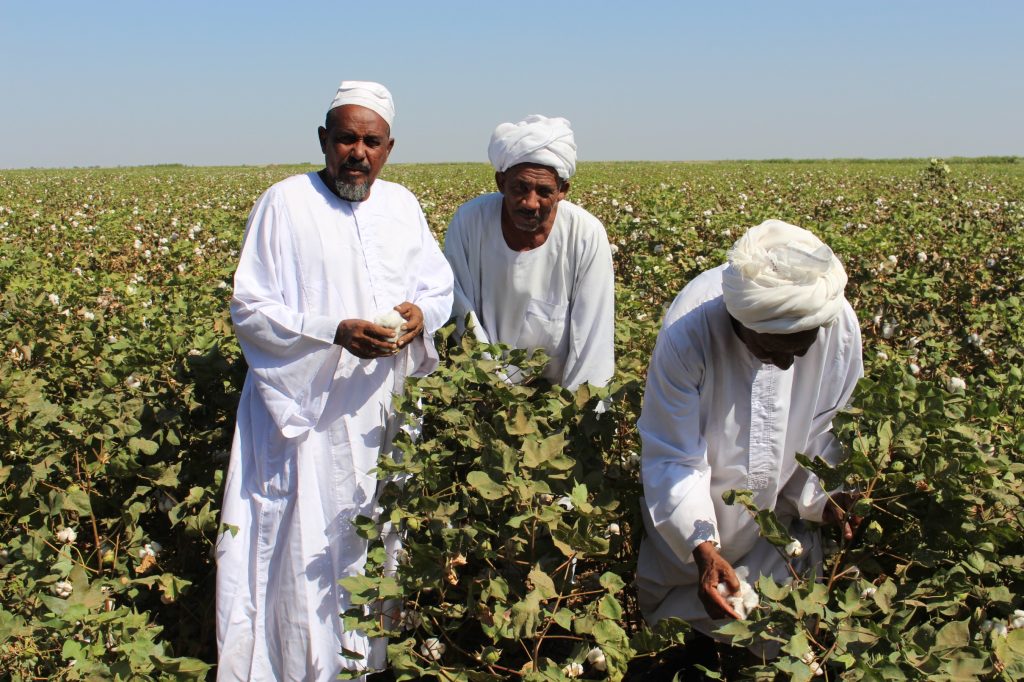
In Africa, ten countries have approved biotech crops for cultivation: South Africa, Sudan, Malawi, Ethiopia, Kenya, Nigeria, Eswatini, Ghana, Burkina Faso and Rwanda. The approved crops include cassava, cotton, cowpea, maize, potato and soybean.
Africa currently cultivates about 3.98 million hectares of biotech crops, accounting for nearly two percent of the global biotech crop area.
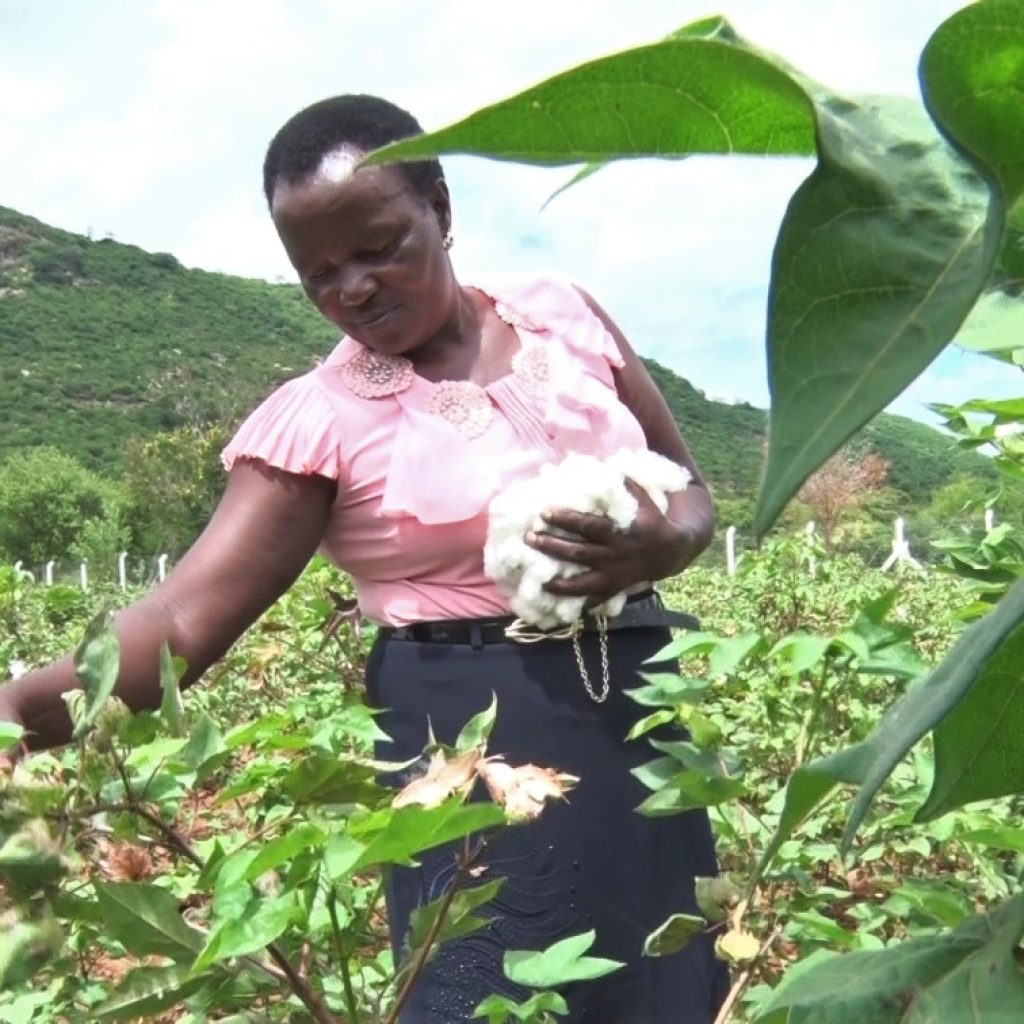
Kenya remains among the countries actively utilizing agricultural biotechnology. Farmers cultivate bollworm-resistant genetically modified cotton, which received commercial approval in December 2019. The country’s biosafety regulations also provide a framework for importing genetically modified organisms through a regulated approval process.
Experts note that biotech crops have been developed to address key agricultural challenges through traits such as drought tolerance, pest and disease resistance, herbicide tolerance, enhanced nutrition and increased productivity.
Globally, biotechnology has contributed to improving the livelihoods of more than 17 million small-scale farmers in developing countries by helping boost yields, reduce crop losses and lower dependence on expensive chemical inputs.
Stakeholders believe the Biotech Africa Database will serve as a valuable resource for policymakers, researchers, regulators, traders and farmers, helping foster evidence-based decision-making and strengthening collaboration as Africa seeks sustainable solutions to food security and agricultural development challenges.