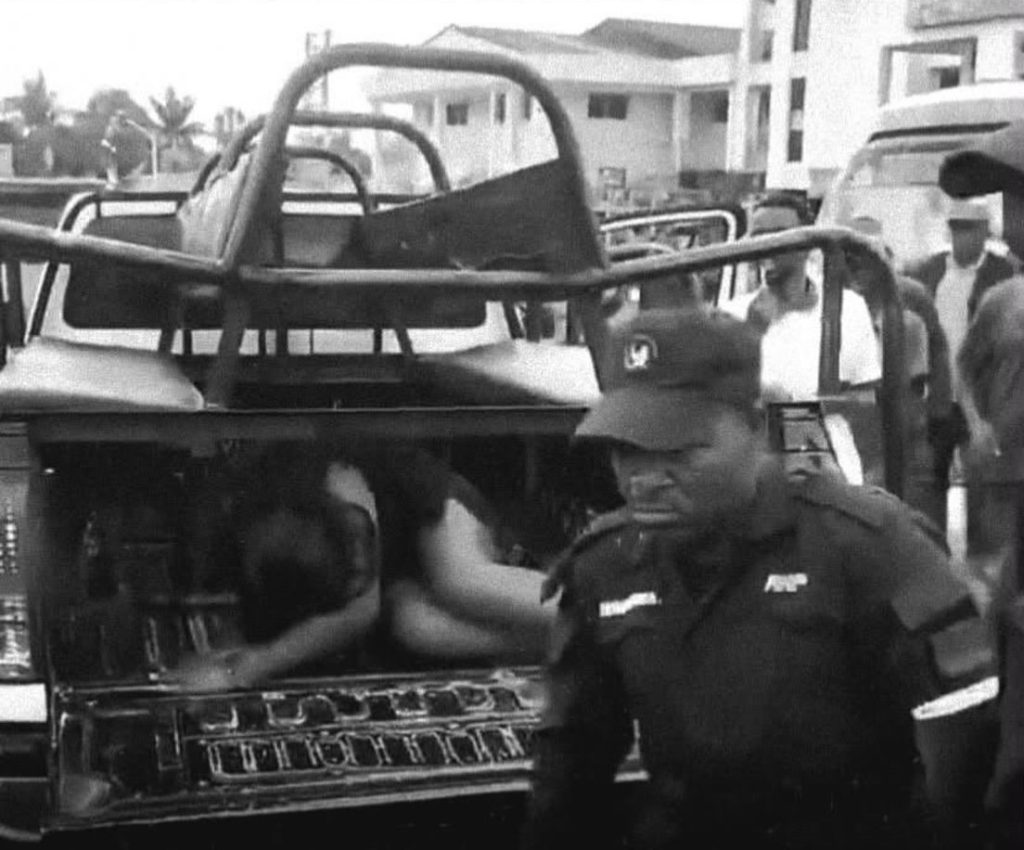
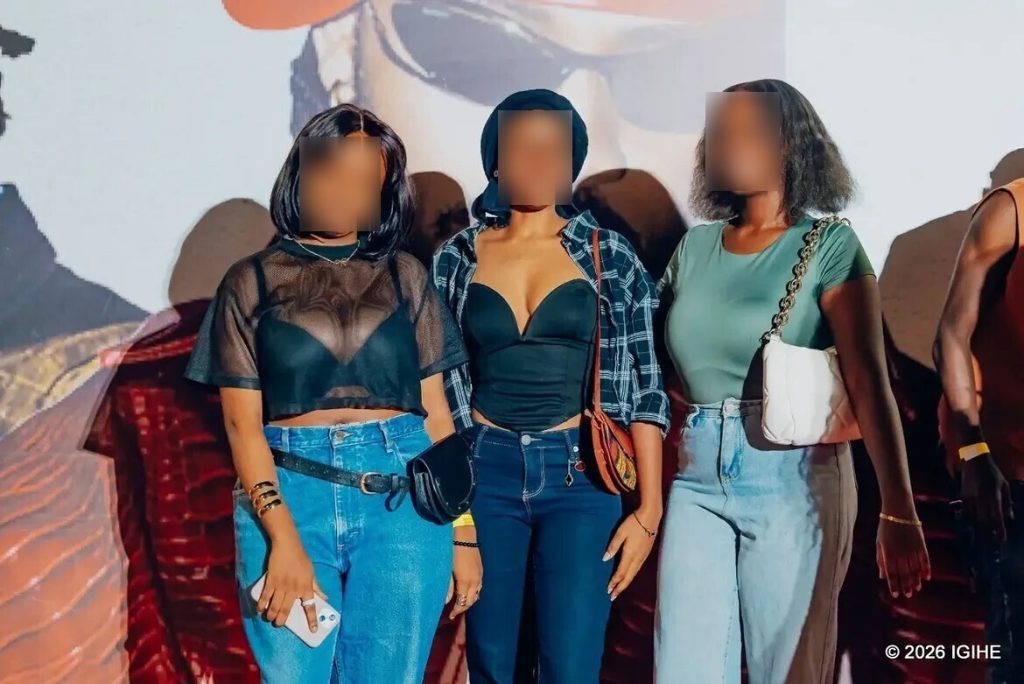
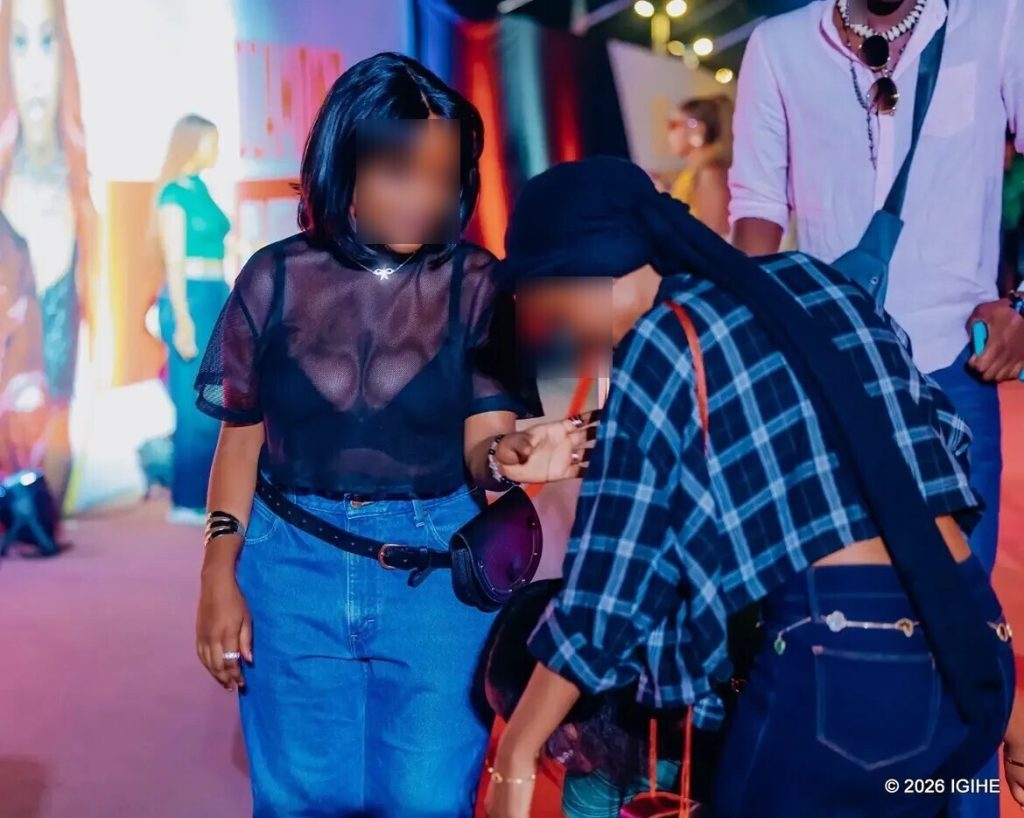
A few days ago, some young women were turned away from a concert at BK Arena because of what they were wearing. That single moment has since opened up into something much bigger: a national conversation about clothing, culture, freedom, and who gets to decide what is appropriate in public.
It would be easy to let this pass the way these moments usually do. A week of heated posts, a few opinion pieces, some jokes, and then silence until the next incident brings it all back. Rwanda should not let that happen this time. This is a real opportunity to have an honest, sober conversation and actually arrive at something, rather than circling the same argument every few years without ever settling it.
What Actually Happened
Rwandan law makes indecent conduct in public a crime, but it does not spell out what indecent dressing looks like. There is no list of banned outfits, no official hemline. That gap has always existed, and for the most part it has not caused problems. But when officers or venue staff have to make that judgment call on the spot, with no clear guideline to point to, the results end up feeling arbitrary. One person is stopped, another dressed just as boldly walks past unnoticed. That inconsistency is where a lot of the frustration is coming from, not necessarily from the idea that public conduct should matter at all.
The Case for Cultural Concern
Those who feel strongly that Rwandans should dress modestly are not, in their own eyes, simply being old-fashioned or controlling. Their case rests on something specific: Rwanda spent the last three decades rebuilding a sense of identity and self-respect almost from nothing, and that did not happen by accident. From that vantage point, it is reasonable to worry about losing pieces of it, especially when so much of what young people see and copy now comes from outside, through phones and social media, with little thought behind it. For people who hold this view, wanting the next generation to hold onto something that feels distinctly Rwandan is not an unreasonable thing to want, and it deserves to be heard as more than nostalgia.
The Case for Personal Freedom
Those who defend personal choice make an equally serious case, and it does not amount to “anything goes.” At the centre of their argument is women’s autonomy and agency: the recognition that women are capable of making decisions about their own bodies and appearance. The fact that others consider a woman’s clothing inappropriate or indecent should not, by itself, transform her personal choices into a matter of State concern. Seen this way, the issue is not really about fashion at all. It is about whether women can exercise agency over their own bodies and move through public spaces without their choices being subjected to coercive control in the name of decency.
Where Most People Actually Agree
Here is the part that tends to get lost once the arguing starts. Very few people are actually saying “there should be no standards at all.” And very few people are saying “the state should police every outfit.” Most Rwandans, on both sides of this, want the same basic things: clear expectations that everyone knows in advance, enforcement that is applied fairly rather than to whoever happens to be standing nearby, and a public conversation that treats people, particularly young women, with respect rather than suspicion.
If that is true, and it seems to be, then this is not actually an unsolvable disagreement. It is a specific, practical question that Rwanda is capable of answering. What does appropriate public dress actually mean, in plain language everyone can understand? Who is responsible for enforcing it, police, venue owners, or the public itself through everyday social pressure? And how is that standard communicated before someone is turned away at a door, rather than discovered there?
What Would Make This Conversation Worth Having
The honest version of this dialogue asks something of everyone, not just one side.
Those defending tradition might ask themselves whether every generation has said something similar about the one after it, and whether that has ever actually stopped culture from changing anyway. Culture that survives usually does so because people choose to carry it forward, not because it was enforced on them.
Those defending personal freedom might ask themselves whether there is truly no shared public expectation they would accept, or whether the real objection is to how those expectations get enforced rather than whether they exist at all.
Neither question is a trap. They are simply the kind of honest self-check that turns a shouting match into an actual conversation.
What This Now Requires From Each Group
A conversation like this does not resolve itself just because people are talking. It moves forward because specific people do specific things. This is where that responsibility sits.
Legislators have the clearest job, and it is overdue. If the law is going to criminalise indecent public dress, it owes citizens an actual definition, or at minimum a clear process for how that standard gets set and updated. Leaving it vague and letting individual officers fill the gap on a Saturday night is not neutrality. It is passing the hardest part of the decision down to the people least equipped to make it consistently.
Law enforcement has to hold the line until that clarity arrives, and be honest about the limits of its current position. Officers should not be expected to act as fashion police based on personal judgment, and the institution should say so plainly, rather than leaving individual officers exposed to public anger every time a call goes wrong. Consistent, published guidance protects the police as much as it protects the public.
Cultural leaders and elders have a role that cannot be replaced by law. If the concern is genuinely about preserving something worth preserving, the way to do that is through the same tools that built Rwandan identity in the first place: dialogue, example, and patient teaching. Culture that has to be policed into existence was never fully carried by the people living it.
Youth leaders carry perhaps the most delicate task. They have to take the concerns of older generations seriously rather than dismissing them as outdated, while also defending the basic dignity of young people, especially young women, who should not have to absorb public humiliation to prove a point either way. That means speaking to both audiences honestly, not just performing for one.
The media, and that includes EAMG, has a job here too, and it is easy to get wrong. It would be simple to chase this story for outrage, picking the angriest quote or the most humiliating video because it travels fastest. The harder and more useful path is to keep giving space to the actual substance: what the law says, what it does not say, what different Rwandans genuinely believe and why, and where the realistic paths forward might be. A media that only amplifies the loudest voices on each side is not informing this conversation; it is just feeding it. A media willing to slow down and explain is what turns a moment into progress.

Citizens, meaning everyone reading this, have a simpler but easily forgotten job: to argue about this without turning it into contempt for whoever disagrees. Every person shouting past someone else on social media this week is a person who could instead be part of actually settling this. That choice is available to anyone.
And friends of Rwanda watching from outside, whether in the diaspora or simply people who care about the country, have one useful role: patience. Not every internal conversation a country has needs an outside verdict attached to it. Rwanda has earned the space to work through this on its own terms, and the most helpful thing outsiders can offer right now is room to do that, along with good faith that it is being taken seriously.
None of this happens through a single ruling or a single viral post. It happens if each of these groups actually does its part, at the same time, in the same conversation. That is the difference between a moment that fades and a moment that changes something.
Rwanda has shown before that it can sit with difficult questions long enough to actually resolve them, rather than just survive them. This debate is smaller than some of those, but it still matters, because it is really asking whether the country can hold onto its cultural pride and treat its people, especially its women, with dignity, without having to choose one over the other. That is a conversation worth finishing properly this time, not shelving until the next concert.
This editorial was prepared by East Africa Media Group- EAMG.
About EAMG
EAMG is a Rwanda-based, Afrocentric and solutions-focused media house, producing radio, television, and digital content, including its flagship breakfast show “The Daily Upgrade,” broadcast weekdays across EAMG’s platforms including EAMG Radio and its digital channels like ZenoRadio. EAMG is committed to journalism and public storytelling that moves conversations forward rather than simply reporting on them.