Rwanda has launched its Sustainable Finance Roadmap 2.0, shifting its focus from establishing green finance frameworks to mobilising capital, preparing investment-ready projects and expanding carbon finance.
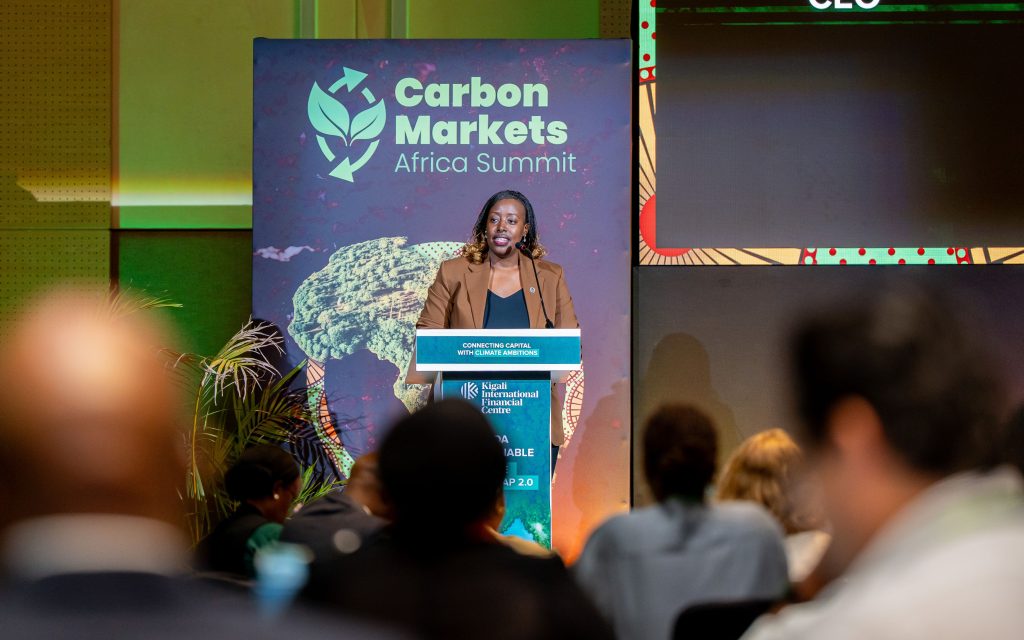
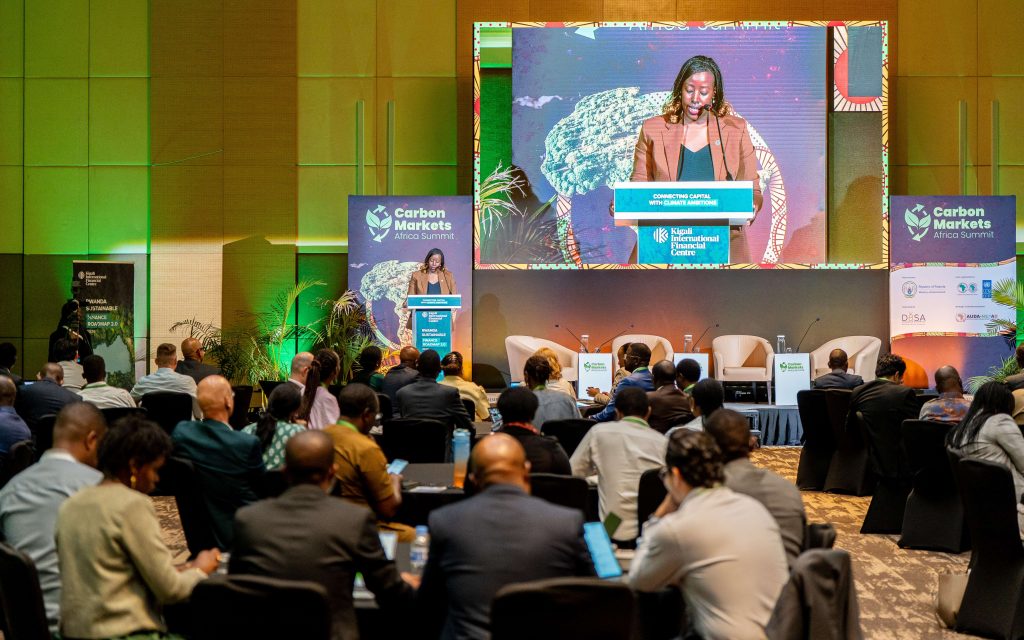
Led by the Kigali International Financial Centre (KIFC), the roadmap was launched on Thursday, October 15, on the sidelines of the Carbon Markets Africa Summit 2026 in Kigali. It builds on the first roadmap introduced in 2022 and outlines priorities for implementation through 2030.
The revised framework builds on progress made under the first roadmap, including the Rwanda Green Taxonomy, the Rwanda Stock Exchange’s Green Exchange Window, climate-related disclosure guidelines, sustainability-linked bonds and the Ireme Invest blended finance facility.
Roadmap 2.0 introduces three new strategic initiatives focused on developing an investment pipeline and improving businesses’ readiness to attract capital, unlocking carbon markets and carbon finance, and expanding access to data and digital infrastructure for sustainable finance.

The investment-readiness initiative aims to help businesses strengthen their financial records, governance and project preparation so they can meet investor requirements and access appropriate funding. The roadmap also seeks to expand financing options for enterprises that struggle to secure capital through conventional lending channels.
On carbon finance, Rwanda plans to strengthen its capacity to develop credible projects, connect them with investors and improve the infrastructure needed to participate in domestic and international carbon markets. The country also aims to position Kigali as a regional hub for carbon aggregation and investment structuring.
Speaking at the launch, Hortense Mudenge, KIFC chief executive officer, said sustainable finance should be viewed as an economic growth agenda rather than solely an environmental priority.
“A key pillar of the roadmap is the development of carbon markets, including Rwanda’s ambition to also become a leading hub for carbon aggregation and investment structuring,” Mudenge said.
She added that the framework seeks to expand investment opportunities, support businesses and contribute to employment and economic resilience.
The roadmap also prioritises reliable climate and sustainability data to help financial institutions assess risks, evaluate investment opportunities and monitor the impact of funded projects.
Its implementation will require coordination among government agencies, regulators, financial institutions, investors and private-sector businesses to translate the priorities into funded projects and measurable outcomes.
With Roadmap 2.0, Rwanda aims to move beyond policy frameworks towards greater capital deployment, stronger private-sector participation and sustainable investments that deliver economic, environmental and social benefits.