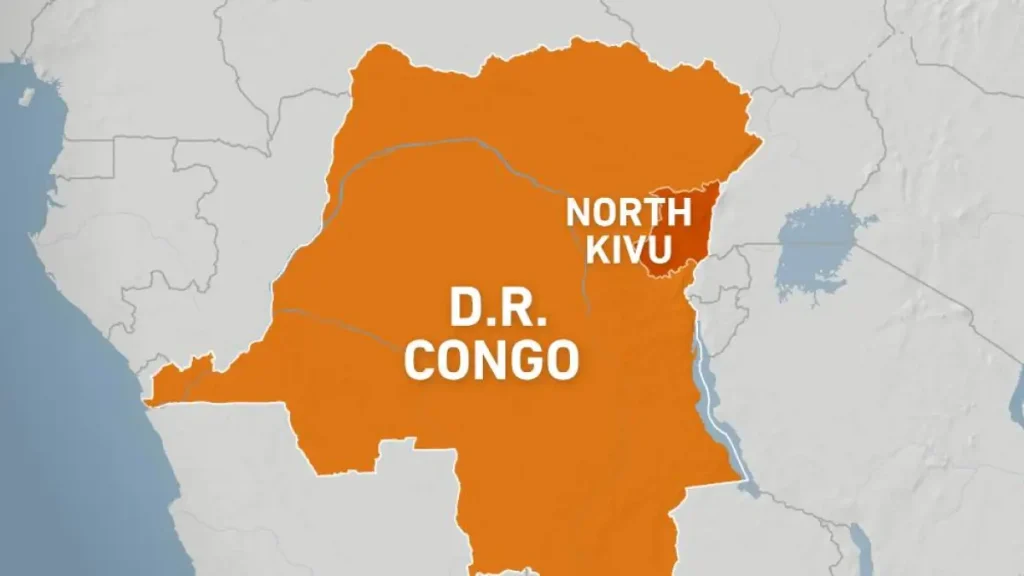
The Government of Rwanda has rejected a Human Rights Watch (HRW) report published on June 10, 2026, which alleged that the Rwanda Defence Force (RDF) and the M23 rebel group were involved in arbitrary detention, killings, forced recruitment, torture, and other abuses in eastern Democratic Republic of Congo (DRC).
In a detailed response, Rwanda denied all allegations against the RDF and criticized HRW for what it described as selective reporting and unequal scrutiny of parties involved in the conflict.
Kigali argued that the report acknowledges support by the Congolese army (FARDC) for armed groups opposed to M23, including the FDLR and Wazalendo militias, but fails to investigate their actions with the same depth. Rwanda noted that HRW documented cooperation between Congolese authorities and these groups, as well as allegations of killings, rape, arbitrary detention, and extortion committed against civilians.
The government also questioned the report’s methodology, saying investigators did not conduct site visits, exhumations, or forensic examinations at locations where alleged abuses occurred. Rwanda argued that many of the report’s findings rely on anonymous testimony and satellite imagery that HRW itself said could not conclusively establish the existence of mass graves or responsibility for alleged crimes.
Rwanda further criticized HRW’s calls for sanctions against named Rwandan officials, saying the accusations were based on unverified claims and lacked due process.
The government maintained that the FDLR, a militia founded by perpetrators of the 1994 Genocide against the Tutsi, remains a major security threat along it’s border and accused HRW of failing to adequately examine the group’s role in the conflict.
Despite rejecting the report’s conclusions, Rwanda said it supports independent investigations conducted with full access and forensic standards, and reiterated its commitment to regional peace efforts through the Washington Accords. The government said it would continue working with regional partners to promote security, accountability, and stability in eastern DRC.