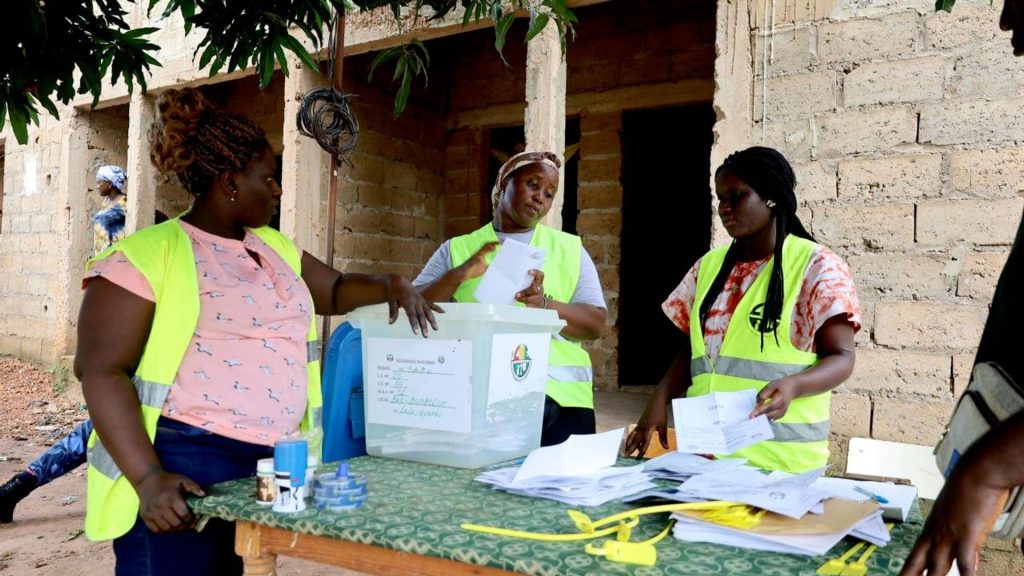
Voters in Guinea-Bissau have approved a new constitution that significantly expands the powers of the presidency and introduces major changes to the country’s electoral system, according to provisional results released Tuesday.
The referendum, held on Sunday, was approved by 70% of voters, while 30% voted against the proposed changes, according to the National Electoral Commission. About 544,060 people, representing nearly 60% of registered voters, participated in the vote.
The constitutional changes come less than a year after military officers seized power in a coup and ahead of a presidential election scheduled for December, giving the transitional authorities a new political framework for the country’s next electoral cycle.
Presidential powers expanded
Under the new constitution, the president will have greater authority over the country’s executive branch, including the power to appoint and dismiss the prime minister and cabinet.
The president will also be able to create or abolish government ministries and dissolve parliament in circumstances deemed to constitute a serious political crisis.
The changes represent a significant shift from the existing system, under which parliament plays a central role in selecting the prime minister, who then forms the cabinet.
The new constitution will also reduce the size of parliament from 102 seats to 65 and cut the number of electoral constituencies from 29 to 12.
Presidential candidates will additionally be required to have lived continuously in Guinea-Bissau for at least five years before seeking office.
Opposition boycotts referendum
The referendum was boycotted by Guinea-Bissau’s main opposition party, the African Party for the Independence of Guinea and Cape Verde (PAIGC).
The party argued that the process lacked sufficient political and institutional safeguards and called on its supporters not to participate.
The referendum also attracted questions over public awareness of the vote. In the capital, Bissau, polling stations were reported to have experienced low turnout, while some residents told local media they were unaware that the referendum was taking place or did not fully understand the proposed constitutional changes.
The military government has not publicly responded to the opposition’s criticism.
Another political transition in West Africa
The constitutional changes add another chapter to Guinea-Bissau’s long history of political instability and military intervention.
The country has experienced repeated military interventions since independence and has also become known internationally as a transit point for cocaine trafficking between Latin America and Europe.
The coup in November 2025 was part of a wider period of political instability across West and Central Africa, where several governments have been overthrown by military forces in recent years.
With presidential elections scheduled for December, the newly approved constitution is likely to shape the country’s political system and the balance of power between the presidency, parliament and other institutions.
The referendum therefore represents more than a constitutional revision: it establishes a significantly more powerful presidency as Guinea-Bissau prepares to return to electoral politics following military rule.