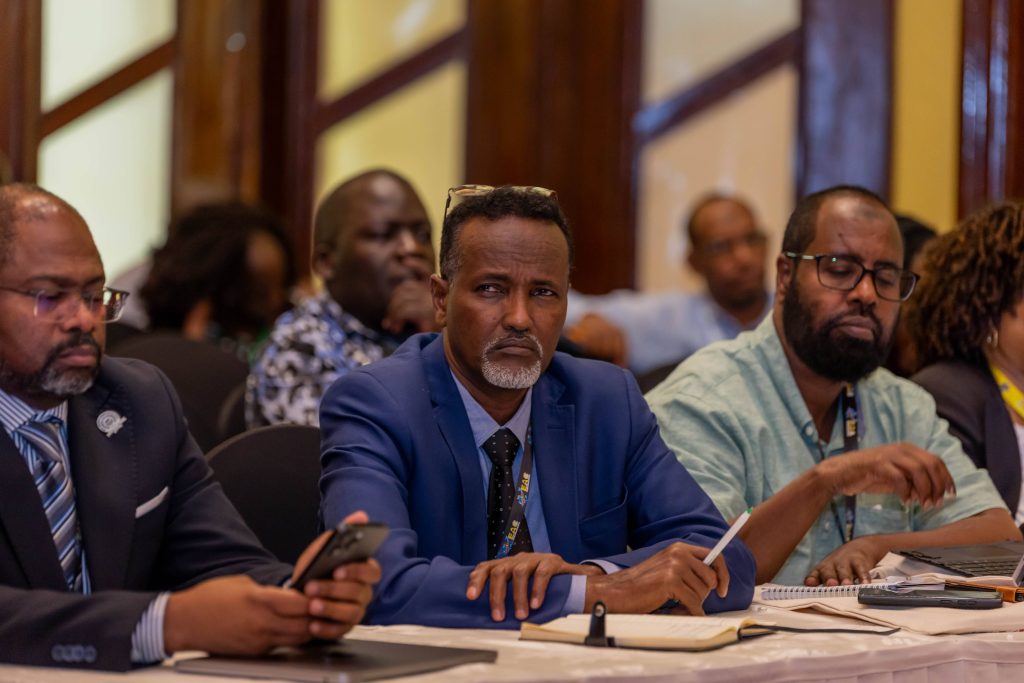
About 600 delegates from the East African Community’s eight Partner States are meeting in Nairobi for the 2nd EAC Regional Education Conference, bringing renewed scrutiny to a critical question: after years of commitments and major education reforms, where is the measurable impact for millions of learners?
The conference comes two years after the inaugural regional meeting in Arusha, Tanzania, in 2024. This time, the focus is not simply on identifying education challenges. Delegates are expected to examine the systemic and implementation gaps that have slowed reforms and question whether regional commitments are translating into measurable improvements in classrooms and communities.
The challenges affecting the education sector remain significant. Despite expanded access and reforms across East Africa, inequalities continue to affect children in rural and marginalised communities, learners with disabilities and other vulnerable groups. Learning quality remains uneven, while teacher shortages and resource constraints continue to undermine classroom delivery.
The figures behind the conference itself underline the scale of the regional challenge. Eight Partner States, about 600 delegates and four days of discussions will be focused on education systems serving a rapidly growing youth population. Yet one of the biggest concerns remains the disconnect between education and employment. The conference identifies skills mismatches, limited links between Technical and Vocational Education and Training institutions and industry, and weak transitions between education levels as major barriers to preparing young people for work and entrepreneurship.
This raises a broader question about accountability. If governments have already made commitments, what mechanisms are in place to measure whether those commitments are being implemented? And if data is available, is it being used effectively to identify where learners are being left behind?

The Nairobi conference is expected to push for better use of data to track access, equity, quality and learning outcomes, while also examining education financing and governance. But the fact that these remain priority issues suggests that the region is still struggling to close the gap between policy ambition and implementation.
Delegates will also focus on early and foundational learning, teacher capacity, inclusive education, digitalisation and stronger pathways from education into decent work. However, technology and innovation bring another challenge: how to modernise learning without deepening the inequalities already affecting vulnerable and marginalised learners.
By the end of the conference, leaders are expected to produce practical policy recommendations, implementation actions and potentially a roadmap or communique containing agreed commitments, priority initiatives, timelines and next steps.
But for a conference built around the theme, “From Commitments to Impact,” the real test will come after the delegates leave Nairobi.
The key question is no longer what East Africa’s education systems need. The challenges are already well documented. The question is whether the commitments made in Nairobi will be backed by the financing, political will, data and accountability needed to produce measurable results before the region returns for another conference.