Africa may need an additional US$1–3 billion a year in agricultural research investment to strengthen the resilience of its food systems to climate shocks, according to a 2025 study by the International Monetary Fund.
But closing the research gap will require more than money. It will also require partnerships that give African institutions, researchers, farmers and other end-users a meaningful voice in deciding what gets researched, how resources are used and who benefits from the results.
That is the focus of the Global Forum on Agricultural Innovation and Research (GFAiR), which has launched a set of tools designed to help research institutions and development partners build and measure more equitable partnerships.
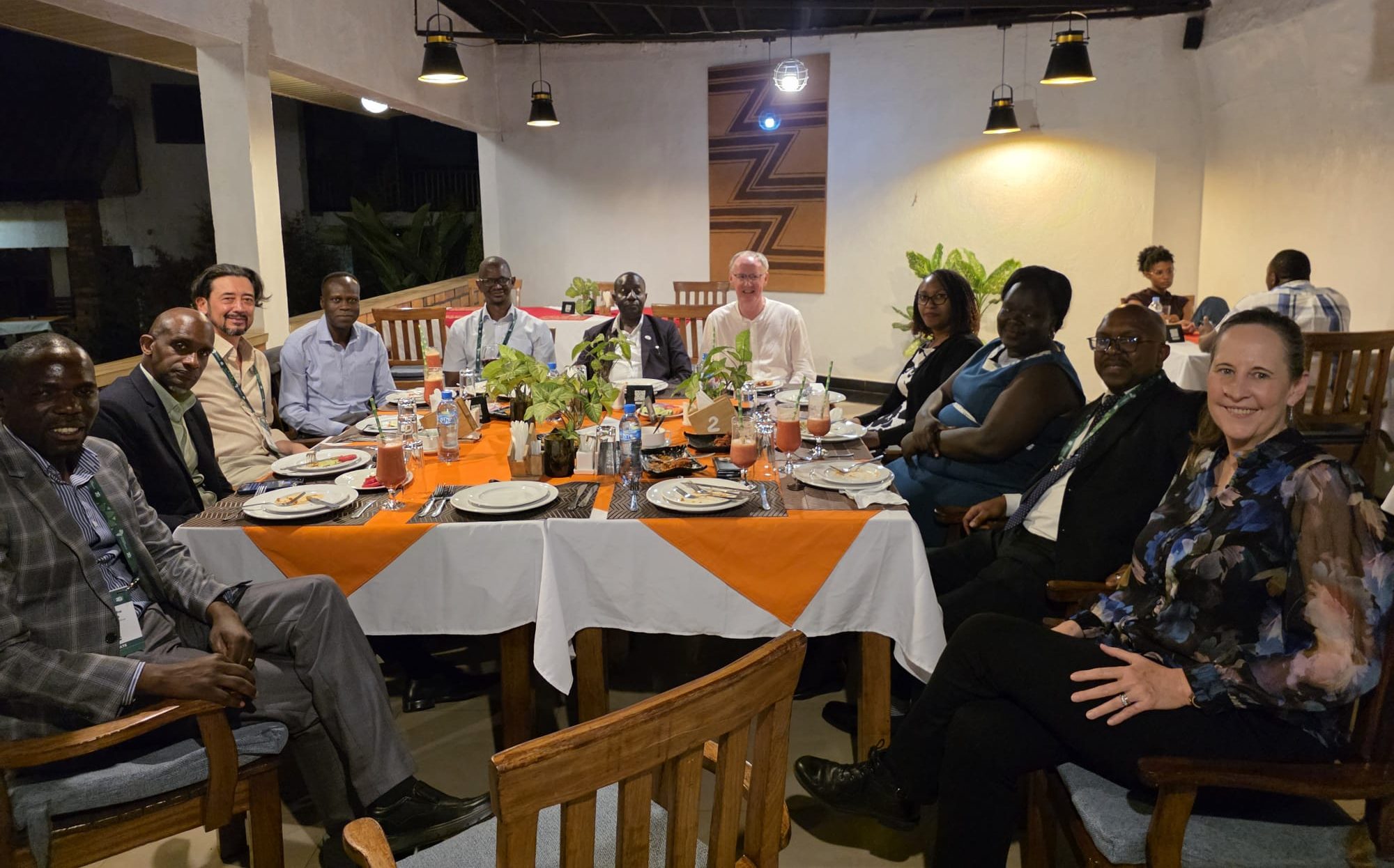
The four resources, unveiled during a strategic meeting on the sidelines of the Africa Food Systems Forum 2026 in Kigali, include Partnership Principles, project application guidelines, a Partnership Assessment Tool and a Partner-Inclusive Language Guide.
GFAiR Executive Secretary Joanna Kane-Potaka said Africa’s complex agricultural challenges require different areas of expertise to come together, but the process must ultimately be driven by local institutions and communities.
“It’s a range of expertise to come together to solve these hugely complex problems that we have. But it really should be locally driven,” Kane-Potaka said.
She said the broader goal is to change the way international agricultural research is conducted, with international organisations working as partners to local institutions rather than driving research agendas themselves.That shift could also help address one of the persistent challenges in agricultural development: the gap between research findings and what actually happens on farms. Despite years of studies, innovations and new technologies, many solutions still struggle to achieve widespread adoption, raising questions about whether the challenge lies only in the science or also in the way research partnerships are formed.
For Kane-Potaka, the latter is a critical part of the problem.
Yet the debate is increasingly moving beyond how much Africa invests in research to questions about how that research is developed, who sets the priorities and who has a meaningful role in shaping the solutions. GFAiR’s new framework seeks to address these questions by placing greater emphasis on equity, shared ownership, mutual learning, capacity building and the involvement of end-users from the beginning of the research process.
“If people partnered from the start, the local people, with all the relevant stakeholders, taking the whole system into approach, then you’d come up with better solutions.”
Involving stakeholders early, she said, can create greater ownership of solutions before they are released, making farmers and other users more likely to adopt them while increasing the chances that successful innovations can be taken to scale.
The argument comes as African countries face growing pressure to produce more food while dealing with climate change, population growth, land degradation and rising input costs. Agricultural research has delivered improved crop varieties, climate-smart farming practices, better livestock management and technologies aimed at helping farmers make better decisions, but research alone cannot resolve the continent’s food challenges.
“No one element is going to solve these really, really complex issues,” Kane-Potaka said, calling for a systems approach that brings together policymakers, researchers, farmers, private companies and other actors who influence agricultural outcomes.
Such an approach is more demanding because it requires researchers and partners to understand how different parts of the food system interact, while giving stakeholders enough time and space to contribute to the process.The investment challenge remains significant. Agricultural Science and Technology Indicators data show that 33 of 40 sub-Saharan African countries assessed spent less than one percent of their agricultural GDP on agricultural research, highlighting the continuing weakness of research investment across much of the region.
The IMF study found that agricultural research and development can help reduce the sensitivity of crop yields to climate variability in sub-Saharan Africa, reinforcing the importance of stronger and more responsive research systems.
Ultimately, the issue is about more than producing better science. It is about ensuring that the people and institutions closest to Africa’s agricultural challenges have a meaningful role in defining the problems, developing the solutions and determining how those solutions reach the farm.
As investment in agricultural research grows, how Africa collaborates on research could be just as important as what the research discovers.