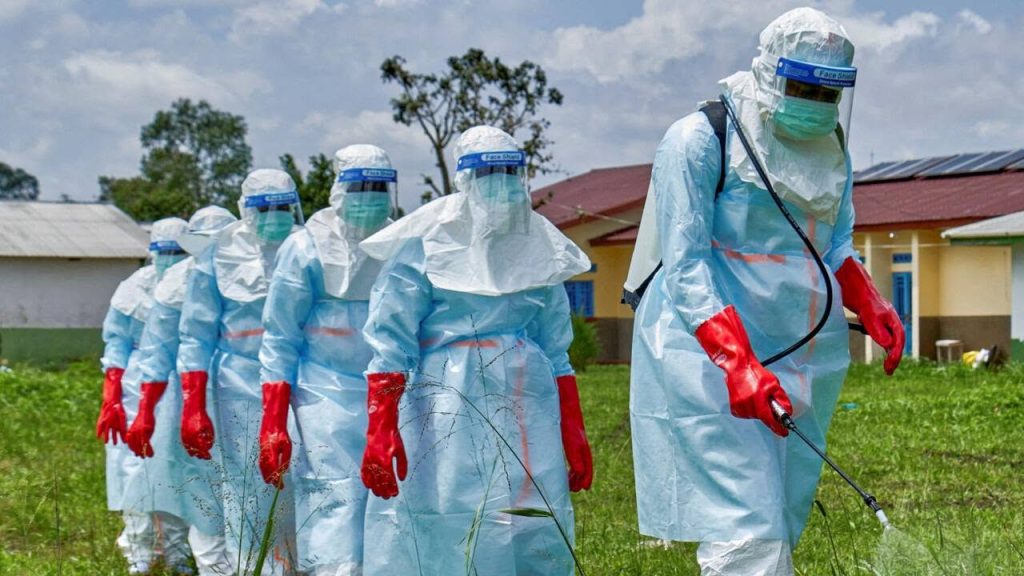
The Democratic Republic of Congo is facing an increasingly difficult challenge in its response to Ebola, with health authorities working to expand treatment capacity as more patients arrive from communities located far beyond the main centres of care.
The World Health Organization says nearly 1,400 treatment beds have now been established across 59 facilities, but another 1,600 beds are expected to be needed as the outbreak continues to spread and demand for medical care increases. The expansion would bring the country’s total treatment capacity to about 3,000 beds.
The scale of the response has already been significant. According to Luca Fontana, a technical officer with the WHO Health Emergencies Programme, the number of available beds has risen from more than 900 during the first two months of the response to nearly 1,400, making it one of the fastest Ebola treatment capacity expansions the organisation has witnessed.
However, the growing number of patients is creating pressure for health authorities to rethink how treatment is delivered, particularly as people are travelling from villages far beyond Bunia in search of care. Fontana said the movement of patients over such long distances is an indication that treatment needs to be brought closer to affected communities, making a more decentralised response increasingly necessary.
The challenge extends beyond building additional treatment centres, because every new bed requires trained personnel who can provide care while also maintaining strict infection prevention measures.
The WHO estimates that approximately three health workers are needed for every patient, meaning that a treatment capacity of 3,000 beds would require about 9,000 health workers. Doctors, nurses and other medical personnel will therefore need to be trained and deployed as the treatment network expands.
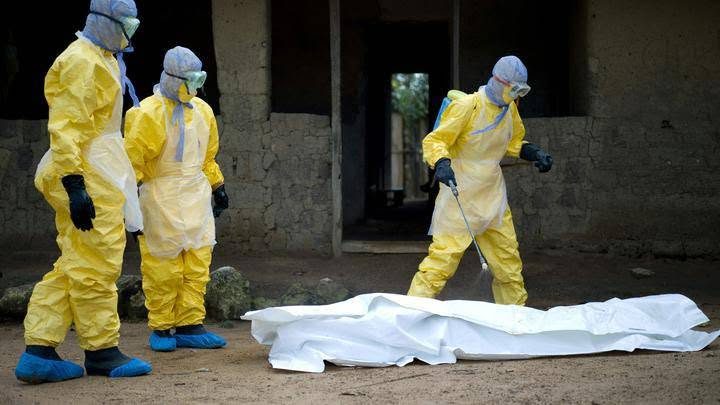
This comes as the number of infections and deaths continues to rise. As of Monday, the WHO had recorded 6,686 confirmed Ebola cases and 3,226 deaths in the Democratic Republic of Congo, underlining the urgency of expanding both treatment capacity and the workforce available to respond to the outbreak.
The financial requirements are also increasing as the response grows. WHO spokesperson Christian Lindmeier said the organisation requires 115 million dollars for a six-month joint response plan with the Africa Centres for Disease Control and Prevention, and has so far received or been offered 112.4 million dollars, leaving a funding gap of 2.6 million dollars.
The WHO has warned, however, that the immediate funding gap may widen as the outbreak evolves and additional resources become necessary. The financial needs are considerably larger when the government’s broader six-month response plan is taken into account, with the overall requirement estimated at 1.3 billion dollars for all partners involved in the response.
The appeal for more funding comes as health authorities attempt to expand treatment while also making care more accessible to communities that are increasingly far from existing facilities. For patients living in remote areas, the distance to treatment can become a critical factor, particularly with Ebola, where early detection, isolation and access to medical care are essential to reducing transmission and improving survival.
The situation therefore presents the DRC and its partners with a difficult race against time. While the response has expanded rapidly, the continuing rise in cases means that more beds, more trained health workers and more funding must be mobilised before the existing system is overwhelmed.