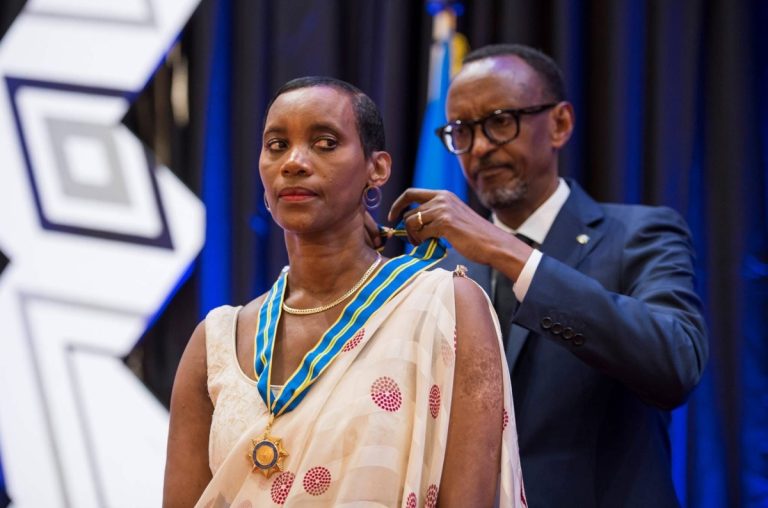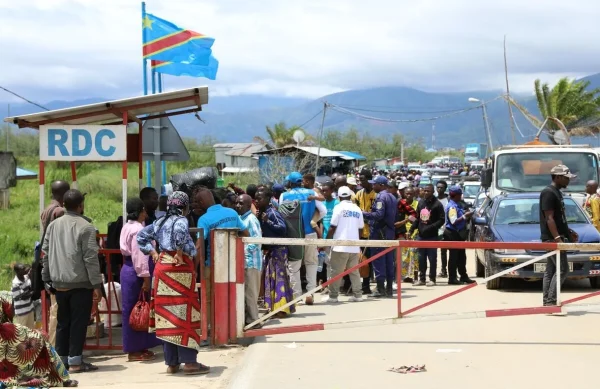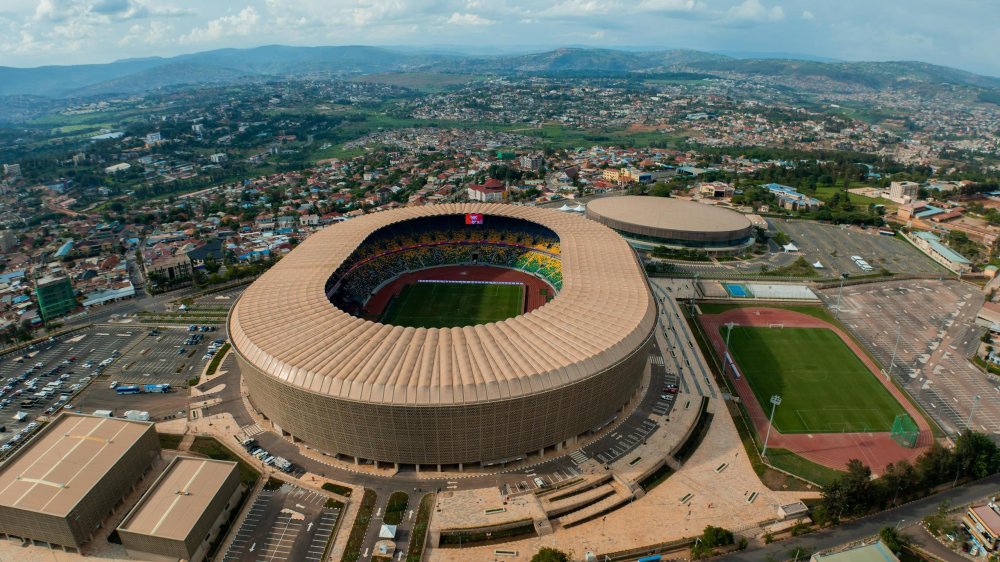
As Rwanda marks the 32nd anniversary of Kwibohora (Liberation Day), the country is reflecting on more than three decades of transformation that have reshaped its economy, institutions, and quality of life since the 1994 Liberation.
Observed annually on July 4, Kwibohora commemorates the end of the liberation struggle led by the Rwandan Patriotic Army (RPA-Inkotanyi), which brought an end to the 1994 Genocide against the Tutsi and laid the foundation for rebuilding a nation devastated by conflict.
This year’s commemoration, under the theme “Kwibohora32: Rwanda’s Journey Continues,” focuses not only on remembering the country’s liberation but also on measuring the progress achieved over the past 32 years.
According to figures released by the Ministry of Finance and Economic Planning (MINECOFIN), Rwanda’s economy has expanded more than elevenfold, with Gross Domestic Product (GDP) growing from US$1.4 billion in 1994 to US$16.3 billion in 2025.The country’s GDP per capita has also increased significantly, rising from US$223 to US$1,156, reflecting sustained economic growth and rising incomes over the past three decades.Social indicators have also shown notable improvement.
Rwanda’s poverty rate has fallen from 78 percent in 1994 to 27.4 percent in 2025, according to the latest Integrated Household Living Conditions Survey (EICV7).Access to education has nearly doubled, increasing from 49 percent to 92.8 percent, while access to healthcare has risen dramatically from 2.6 percent in 1994 to more than 90 percent, driven by expanded health infrastructure, community-based health insurance, and nationwide public health programmes.
The country’s investment in infrastructure has also transformed access to electricity. In 1994, fewer than one percent of Rwandans had access to electricity. Today, that figure stands at 72 percent, supporting industrial development, digital connectivity, and improved living standards.
Life expectancy has more than doubled over the same period, increasing from 29 years in 1994 to 70.5 years in 2026, according to the National Institute of Statistics of Rwanda (NISR), reflecting improvements in healthcare, nutrition, sanitation, and disease prevention.Meanwhile, unemployment has declined from 16.04 percent in 1994 to 11 percent in the first quarter of 2026.For many Rwandans, Kwibohora represents more than a military victory.
It marks the beginning of a national rebuilding process centred on security, reconciliation, institution-building, and long-term development.Over the past three decades, Rwanda has positioned itself as one of Africa’s fastest-growing economies, investing heavily in technology, infrastructure, healthcare, education, tourism, and environmental sustainability while pursuing ambitious long-term development goals.
As the country commemorates Kwibohora32, the latest economic and social indicators offer a snapshot of Rwanda’s transformation from a nation emerging from tragedy into one focused on resilience, inclusive growth, and sustainable development.
The journey of liberation continues through strengthening institutions, expanding economic opportunities, improving public services, and building a prosperous future for all Rwandans.