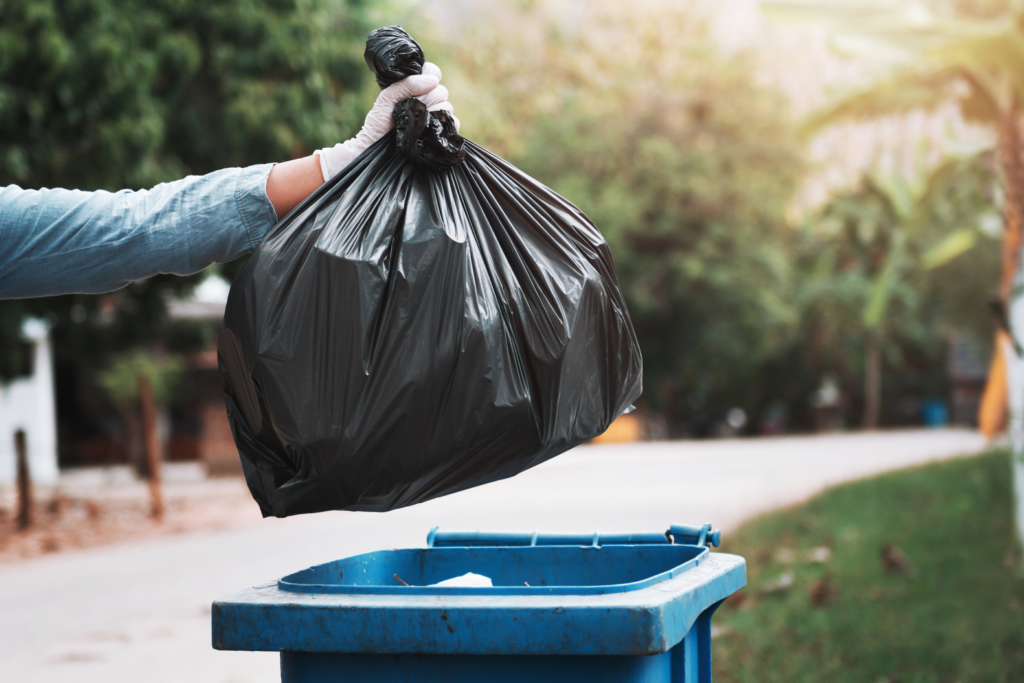
Authorities in Niger’s capital, Niamey, have intensified efforts to combat plastic pollution by giving supermarkets and retailers six months to eliminate the use of plastic carrier bags, as the government moves to fully enforce a law that has existed for more than a decade.
The plastic bag ban was first introduced in 2014, prohibiting the manufacture, importation, sale, and use of plastic carrier bags. However, enforcement has been limited, allowing the bags to remain widely available across the country.
Under the latest directive, businesses must dispose of or sell off their remaining plastic bag stocks before the start of 2027, after which the ban will be fully enforced.
Retailers and supermarkets will be required to replace plastic bags with environmentally friendly alternatives such as biodegradable packaging, reusable bags, paper packaging, and traditional baskets.
Authorities say the renewed crackdown is intended to reduce plastic waste, improve urban sanitation, and protect ecosystems from pollution caused by non-biodegradable materials.
The law предусматриes strict penalties for violations. Individuals or companies found manufacturing or importing plastic bags could face six months to one year in prison, while commercial users risk three to six months’ imprisonment. Domestic users may also be fined 100 CFA francs for each plastic bag found in their possession.
Plastic pollution has become a growing environmental challenge across Africa, with discarded plastic bags frequently blocking drainage systems, contributing to flooding during rainy seasons, and harming livestock and wildlife.
Niger joins a growing number of African countries strengthening restrictions on single-use plastics as governments seek to curb environmental degradation. Several countries, including Rwanda, Kenya, and Nigeria, have introduced measures to reduce plastic waste through bans or restrictions on plastic bags and other single-use plastic products.
Environmental advocates say effective enforcement and greater public awareness will be key to ensuring the success of Niger’s renewed efforts to reduce plastic pollution and promote sustainable alternatives.