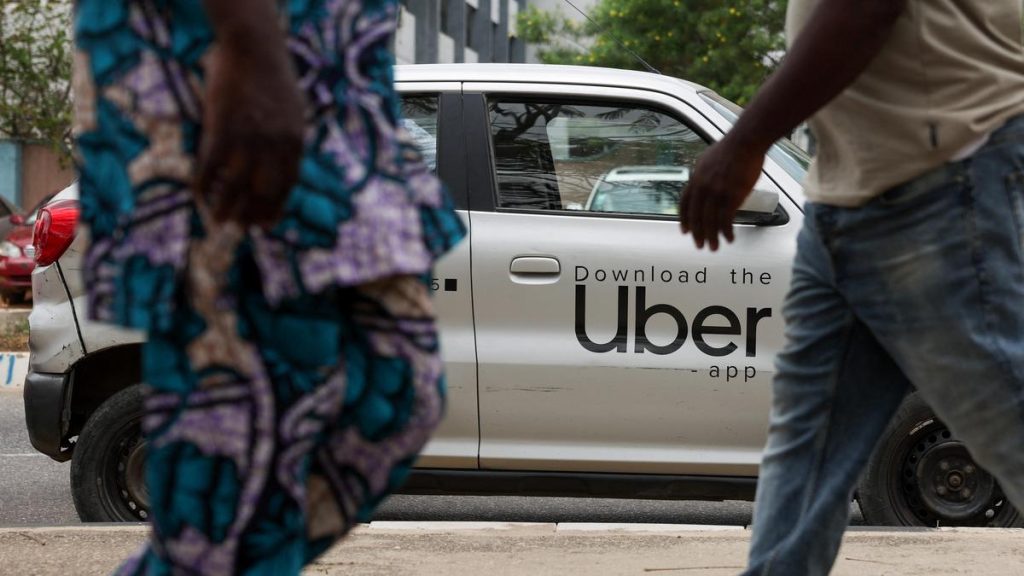
Uber is cutting 3,300 jobs and ending its ride-hailing operations in Nigeria and Uganda as part of a major restructuring by the global mobility company.
The job cuts, announced on Wednesday, represent about 10 percent of Uber’s workforce and are the company’s largest staff reduction since the COVID-19 pandemic.
In a memo to employees, CEO Dara Khosrowshahi said the restructuring is intended to reduce management layers, simplify team structures and allow the company to invest more heavily in drivers, couriers and merchants.
Uber confirmed that its operations in Nigeria and Uganda would end immediately, but stressed that the decision only affects the two markets and does not change its operations elsewhere in Africa.
The company said it remains committed to sub-Saharan Africa, pointing to continued growth and long-term opportunities across the region.
The restructuring comes as Uber increases its focus on autonomous transportation, including robotaxi services. The company has committed billions of dollars to expanding in the sector as it faces growing competition from companies including Waymo and Tesla.
Despite the layoffs, Uber continues to report strong financial growth. Its revenue rose 18 percent between 2024 and 2025 to about $52 billion. In the second quarter of 2026, revenue increased another 12 percent to $14.2 billion.
Uber’s workforce changes come amid a broader wave of technology-sector layoffs. Layoffs.fyi estimates that more than 128,000 technology workers have lost their jobs across nearly 290 companies in 2026.
For Nigeria and Uganda, Uber’s immediate exit will affect riders, drivers and other workers who have depended on the platform, while the company says it is prioritising support for those affected during the transition.