The East African Community (EAC) has renewed its push for deeper regional integration, with central bank governors reaffirming plans to introduce a single regional currency by 2031 as part of efforts to create a more connected and competitive East African bloc.
The commitment was made during the 29th Ordinary Meeting of the East African Monetary Affairs Committee (MAC) in Kampala, where governors assessed progress towards establishing the East African Monetary Union, a key milestone in the EAC integration agenda.
The proposed monetary union is expected to strengthen economic cooperation by reducing barriers to trade, lowering transaction costs, and improving the movement of goods, services and capital across member states.
Central bank governors said achieving a common currency will require faster implementation of reforms aimed at harmonising monetary and fiscal policies, strengthening financial sector regulation and improving regional payment systems.
“The East African Monetary Union remains a strategic objective that requires sustained commitment, policy harmonisation and strong regional institutions,” said Dr. Michael Atingi-Ego, Governor of the Bank of Uganda and Chairperson of the Monetary Affairs Committee.
He added that member states must accelerate implementation of agreed reforms and strengthen national action plans to remain on course for the 2031 target. The governors also discussed measures to strengthen the region’s resilience against global economic shocks, including geopolitical tensions, rising energy costs and volatility in international markets.
As part of efforts to diversify foreign reserves, central banks are considering increased investment in gold reserves alongside traditional foreign currency holdings, a move aimed at reducing exposure to external financial pressures.
However, the committee acknowledged that challenges remain, with some member states yet to fully meet the macroeconomic convergence criteria required before adopting a common currency. These include targets on inflation, fiscal deficits, public debt and foreign exchange reserves.
The push for a single currency within the EAC has received support from Wycliffe Aganda, Chairperson of the Kenyan Community in Rwanda, who says the move would be a major step towards achieving deeper regional integration.
Aganda says a common currency would make it easier for East Africans to do business, travel and invest across borders by reducing challenges associated with multiple currencies.
“I hope this is implemented as soon as possible. I was in Gabon the other day and could not carry out transactions because I had Kenyan shillings and Rwandan francs. These currency barriers also affect businesses and limit opportunities for Africans to trade freely across the continent,” Aganda said.
He says a single currency would strengthen the vision of a more connected East African Community and contribute to the broader dream of African economic integration
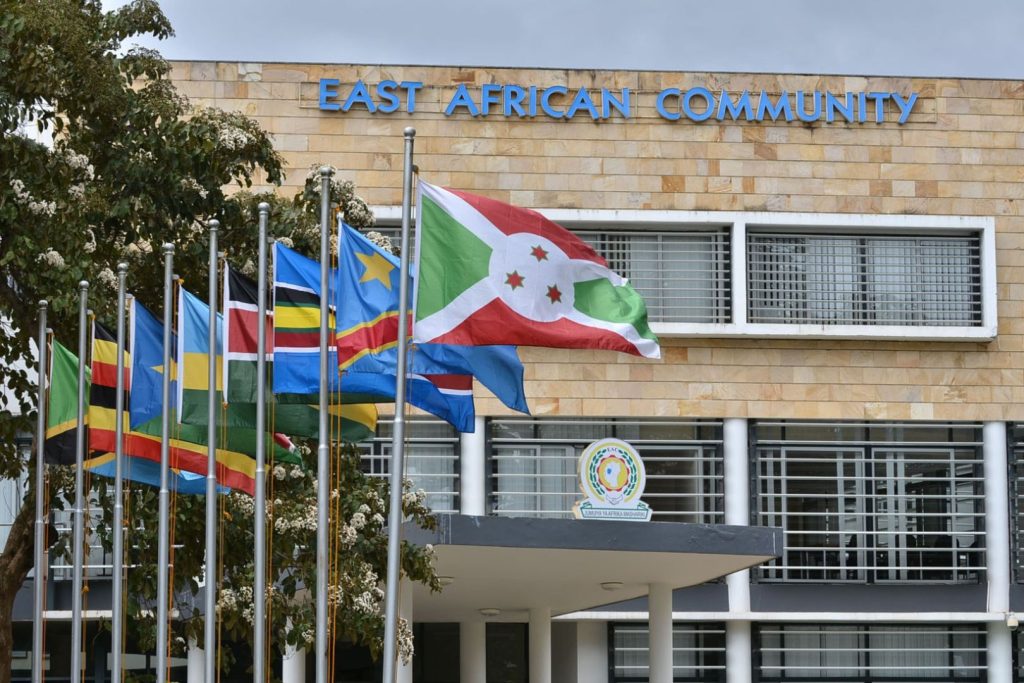
The East African Monetary Union is one of the final stages of the EAC integration process, following the Customs Union and Common Market. If implemented, the single currency is expected to boost regional trade, attract investment and accelerate economic integration among the bloc’s eight member states: Burundi, the Democratic Republic of Congo, Kenya, Rwanda, Somalia, South Sudan, Tanzania and Uganda.