African countries are using the 31st United Nations Climate Change Conference (COP31) to push for stronger climate financing, support for vulnerable communities and a fairer energy transition, as the continent seeks to turn its climate commitments into practical action.
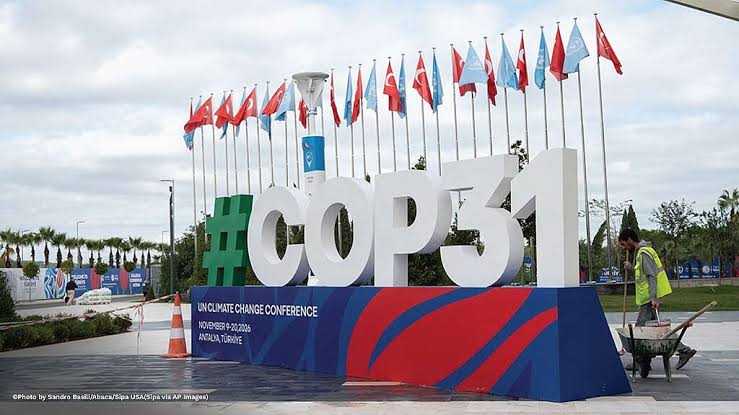
The conference, taking place from November 9 to 20, 2026, at the Antalya Expo Center, brings together governments, international organisations, scientists, businesses and civil society to discuss responses to climate change.
For East Africa, a major priority is securing climate finance that countries can access more easily, particularly to prepare for droughts, floods, food insecurity and other climate-related shocks.
Ahead of the summit, the East African Community (EAC) Partner States adopted a common regional position calling for more predictable, accessible and grant-based climate finance. The bloc is also urging developed countries to meet their public financing obligations, increase adaptation funding, and provide greater support for loss and damage without adding to the debt burden of vulnerable countries.
The EAC position further calls for stronger early-warning systems, disaster-risk reduction, ecosystem restoration and fair participation in international carbon markets. The regional bloc intends to present a coordinated voice during the negotiations.
Rwanda puts green investment and climate finance on the agenda
Rwanda is among the East African countries advancing its priorities at COP31. Its delegation, led by Prime Minister Dr Justin Nsengiyumva, is calling for accelerated climate action, increased green investment and wider ratification of the Kigali Amendment.
Rwanda’s negotiating priorities include a clear roadmap for delivering the US$300 billion annual climate finance goal agreed at COP29, stronger adaptation measures, high-integrity carbon markets under Article 6 of the Paris Agreement, and support for countries facing climate-related loss and damage.
The country is also seeking progress on the implementation of the Global Goal on Adaptation, including indicators to measure progress and international support.
Africa seeks a stronger voice in climate financing
Across the continent, African negotiators are arguing that countries experiencing some of the most severe climate impacts need more reliable financial support, despite contributing relatively little to global greenhouse gas emissions.
The African Group of Negotiators is pushing for accessible and predictable public climate finance, stronger adaptation funding and effective implementation of arrangements addressing loss and damage.
A major issue at COP31 is how developed countries will meet their financial obligations under the Paris Agreement. African negotiators are seeking greater recognition of public funding, including grants, rather than relying primarily on broader commitments to mobilise investment from public and private sources.
The continent is also seeking a greater share of the economic opportunities created by the global transition to cleaner energy. African countries possess critical minerals used in batteries and renewable energy technologies, alongside significant solar, wind, hydropower and other renewable energy potential.
African representatives want these resources to support local industrialisation, technology transfer, job creation and economic development rather than leaving countries primarily as suppliers of raw materials.
Water security and climate resilience take centre stage
Water is another major focus for Africa at the summit. Droughts, floods and changing rainfall patterns threaten agriculture, energy production, public health and livelihoods across the continent.
The African Union Commission and its partners are using Africa-focused discussions at COP31 to call for greater investment in climate-resilient water and sanitation infrastructure, irrigation, watershed management and early-warning systems.
The discussions also address preparedness for the anticipated 2026–2027 El Niño, with an emphasis on forecasting, early action and protecting communities before climate-related disasters occur.
The agenda is expected to help shape Africa’s priorities ahead of COP32, scheduled to take place in Addis Ababa, Ethiopia, in 2027.
From climate commitments to action
The Economic Commission for Africa (ECA) says its engagement at COP31 is focused on keeping Africa’s development priorities central to global climate discussions, particularly financing, adaptation, water security and sustainable investment.
The Africa Pavilion, supported by continental institutions including the African Union Commission, African Development Bank, ECA and AUDA-NEPAD, provides a platform for governments, businesses, development partners, researchers and civil society to showcase African-led solutions and build partnerships.
For East Africa and the wider continent, the central challenge is ensuring that the outcomes of COP31 translate into financing, infrastructure and practical programmes that strengthen communities against climate shocks.
As negotiations continue in Antalya, African countries are seeking to ensure that climate action supports not only environmental protection but also economic transformation, energy access, food security and sustainable development.