African tax experts are calling for a more strategic approach to tax incentives, arguing that exemptions and other tax expenditures should be governed as development tools rather than treated simply as a cost to public revenue.
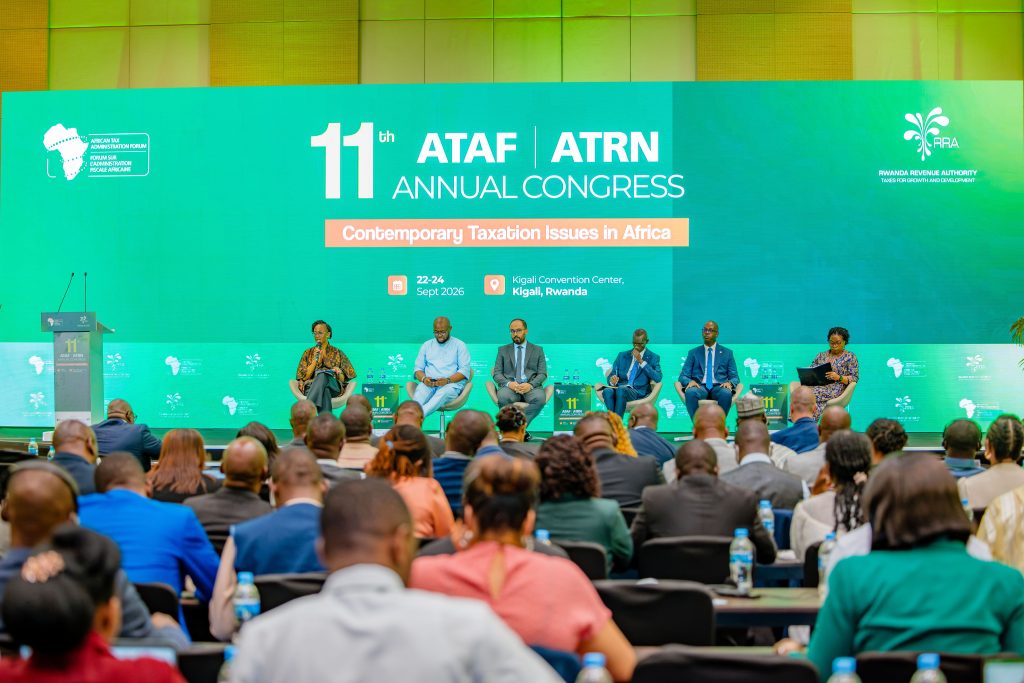
The issue took centre stage during the closing sessions of the 11th African Tax Research Network (ATRN) Annual Congress in Kigali, held under the theme “Contemporary Taxation Issues in Africa.”
A plenary session titled “Tax Incentives and Expenditure: From Fiscal Drain to Strategic Governance” examined the full lifecycle of tax incentives from how they are designed and granted to how they are registered, monitored and evaluated.
Discussions focused on the political economy behind incentives, the role of revenue authorities in tracking beneficiaries and compliance, and the legal and institutional frameworks needed to improve oversight and tax expenditure reporting.
The discussions highlighted the need for governments to assess whether tax incentives are delivering their intended economic and social outcomes while maintaining effective revenue management.
A second plenary focused on tax data, knowledge platforms and revenue performance, with several initiatives launched or highlighted during the congress.
These included the African Tax Outlook (ATO), the ATAF-RRA AWITN Gender Study, and Volume 6 of the Scopus-indexed African Multidisciplinary Tax Journal (AMTJ).
Another initiative unveiled during the congress was the Tax Tech Incubator Programme, developed from the Rwanda Revenue Authority (RRA) Tax Tech Academy.
The programme aims to turn local digital talent into scalable, research-backed technologies that can address challenges in tax administration.
The congress concluded with RRA Commissioner General Ronald Niwenshuti stressing the importance of developing tax policies around Africa’s specific economic and institutional realities.
He pointed to the continent’s diverse informal economies, demographic structures and economic systems as reasons for policies to be informed by research based on African data and experiences.
Niwenshuti said the research and presentations showcased the depth of expertise already available across Africa, while identifying better access to data, support for emerging researchers and stronger links between research and policymaking as priorities.
The three-day congress brought together researchers, tax administrators, policymakers, academics and development partners to examine emerging taxation challenges and explore ways to translate research into stronger tax policy and administration.
For African tax authorities, the discussions placed data, research and institutional oversight at the centre of efforts to build more effective and sustainable revenue systems.