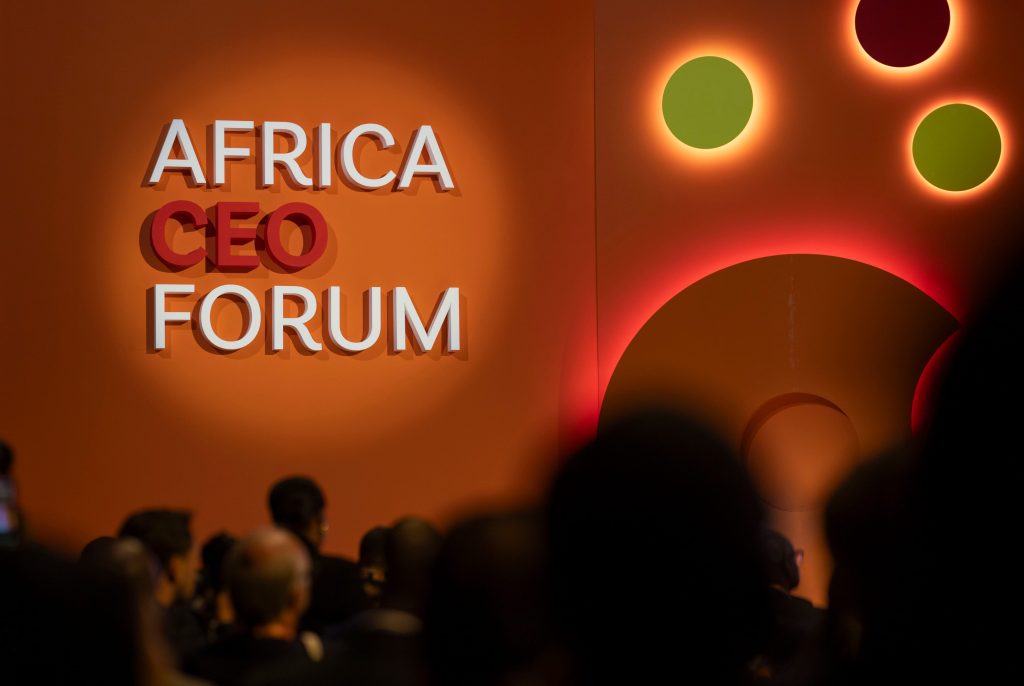
Africa’s largest annual private-sector gathering, the Africa CEO Forum, is set to return to Kigali on May 14–15, bringing together more than 2,800 business leaders, investors, and policymakers from across the continent and around the world.
The two-day summit will feature high-level discussions, panel sessions, and executive dialogues aimed at reinforcing the role of the private sector in driving Africa’s economic transformation. This year’s theme, “Scale or Fail: Why Africa Must Embrace Shared Ownership,” reflects growing urgency for African economies to expand beyond fragmented national strategies and build stronger, cross-border partnerships.
Organisers say the forum comes at a critical time as global capital flows shift and competition for investment intensifies. The event will serve as a platform for CEOs, governments, and investors to connect, explore opportunities, and shape strategies for sustainable growth.
The forum will bring together a high-profile lineup of leaders from across government, finance, and business. Confirmed speakers include H.E Paul Kagame, President of Rwanda; H.E Bola Ahmed Tinubu, President of Nigeria; and H.E Brice Oligui Nguema, President of Gabon, alongside senior officials such as Maria Benvinda Levi and Robert Beugré Mambé. Key financial and business leaders will also feature, including Makhtar Diop (IFC), Aliko Dangote (Dangote Group), and James Mwangi (Equity Bank), reflecting a strong mix of public and private sector voices shaping Africa’s economic future.
A central focus of the discussions will be how Africa can better leverage its natural resources to power its own development. One of the headline panels will examine whether the continent’s expanding gas sector can move beyond export-driven models to support domestic energy needs. With new liquefied natural gas (LNG) projects coming online in countries such as Nigeria, Mozambique, and Senegal, experts will debate how to align infrastructure, financing, and policy frameworks to ensure local industries benefit.
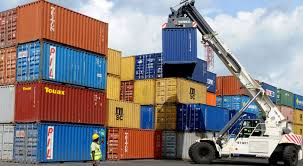
Global trade dynamics will also take center stage, as leaders assess the impact of shifting supply chains and rising industrial overcapacity in Asia. Participants are expected to explore how African economies can remain open to trade while protecting emerging industries and reducing dependence on imports. Success stories in sectors such as automotive manufacturing and pharmaceuticals will be highlighted to illustrate how targeted industrial policies can deliver results.
Healthcare access is another key area on the agenda, with discussions focusing on how innovation can reduce costs and improve service delivery. From drone-powered medical logistics to telemedicine and digital health systems, stakeholders will examine how technology can bridge access gaps, particularly in remote areas where logistics remain a major challenge.
Energy choices for Africa’s industrial future will also be debated, particularly the balance between gas and renewable energy. While renewables are becoming increasingly cost-competitive, gas continues to offer reliable power for heavy industries. The forum will explore which option delivers better long-term returns and supports industrial growth at scale.
Beyond energy, the summit will address a wide range of sectors, including mining, green transport, artificial intelligence, infrastructure finance, real estate, and agriculture. A recurring theme across these discussions is the need to make African projects more attractive to investors by improving governance, reducing risk, and standardising frameworks.
Despite the continent holding significant domestic capital estimated at over $1 trillion, investment in infrastructure remains low. Participants will examine how to unlock this capital by designing bankable projects and creating investment environments that meet global standards.
The forum will also spotlight Africa’s housing and agriculture challenges. With a housing deficit estimated at 50 million units and billions spent annually on food imports, experts say there is significant potential for growth if financing, logistics, and value chains are strengthened.
At the heart of the summit is the concept of shared ownership, which calls for African countries and businesses to invest in each other’s success. This includes cross-border equity participation, regional infrastructure development, and harmonised regulatory frameworks. Organisers argue that such collaboration is essential for building large-scale projects and competitive African enterprises capable of thriving in the global economy.
As Kigali hosts the high-profile gathering once again, the city continues to position itself as a leading destination for international conferences and investment dialogue. The outcomes of the forum are expected to influence business decisions and policy directions, helping shape Africa’s economic trajectory in the years ahead.
Stay informed. Stay ahead.
Follow EAMG TV for real-time updates, exclusive interviews, insights, and behind-the-scenes coverage from the Africa CEO Forum in Kigali.
Don’t miss the conversations shaping Africa’s future from top CEOs, investors, and policymakers across the continent.
Follow, subscribe, and turn on notifications