Kenyan youth organizations and civil society groups have petitioned Parliament to declare the country’s KSh13 trillion public debt a national emergency, warning that the growing debt burden is squeezing spending on health, education and development.
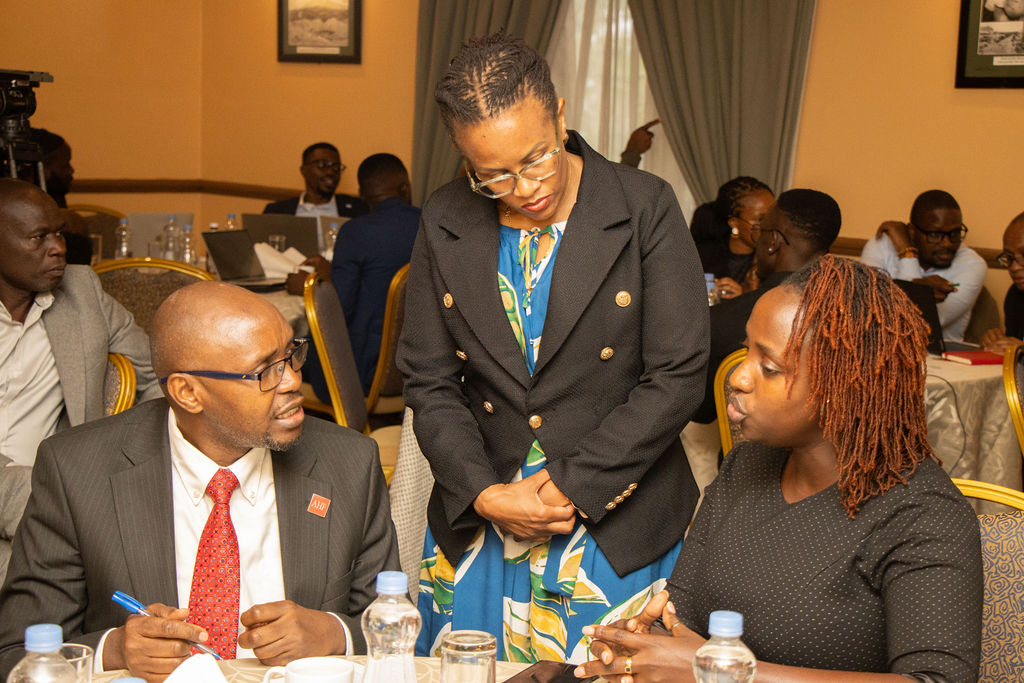
The petition was presented to Members of Parliament on Thursday during a high-level breakfast meeting convened by AIDS Healthcare Foundation (AHF) Kenya and a coalition of civil society organisations at the Sarova Stanley Hotel in Nairobi.
Filed under Article 119 of the Constitution, the petition calls for prior parliamentary approval of all sovereign borrowing, statutory minimum budget allocations for health and education, and an automatic pause on debt servicing during national crises.
The call comes as statistics presented at the meeting show that Kenya spends an estimated 65 cents of every shilling collected in tax revenue on debt repayment.Speakers said this was about nine times more than the allocation to the health sector, while development expenditure accounts for just 8 percent of the national budget.
It is reported that 51.8 per cent of tax revenue was spent on debt servicing and pensions in the the 2025/26 financial year, leaving fewer resources for key government programmes such as infrastructure development and health services
Youth unemployment was also cited at 67 percent, adding to concerns that the cost of borrowing is being passed to a generation already facing limited economic opportunities.
“Kenya is hemorrhaging, not blood, but revenue,” said Dr Samuel Kinyanjui, Country Director of AHF Kenya. “A country that spends nine times more on creditors than on its own hospitals is not investing in the future. It is auctioning it.”
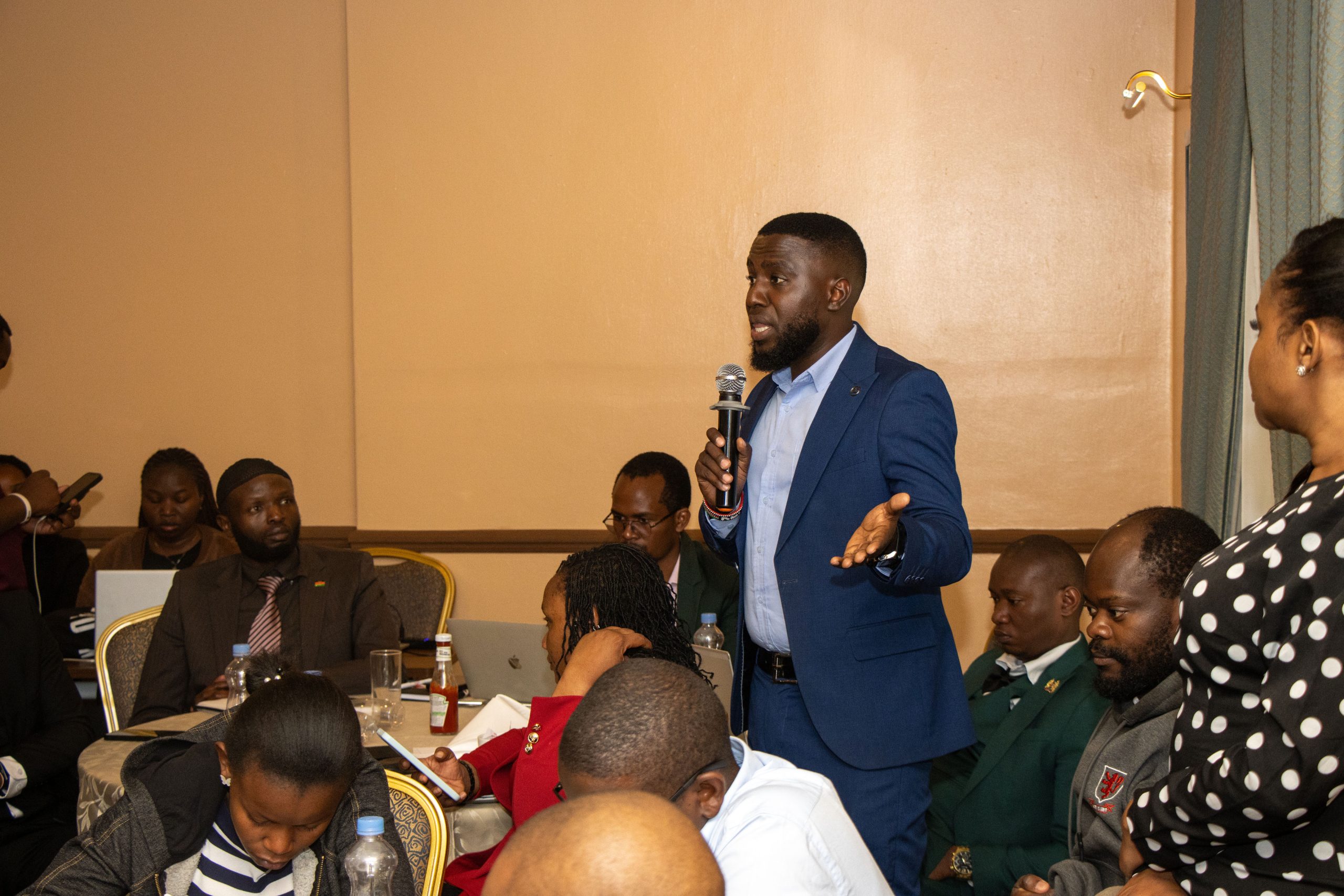
The parliamentary petition followed a National Youth Convening held on August 25, where young people from across Kenya developed the Youth Position Paper presented to lawmakers.
Edward Miano Munene, Executive Director of the Health Rights Advocacy Forum, said Kenya’s debt-to-GDP ratio stands at nearly 68 percent, above the 55 percent statutory ceiling under the Public Finance Management Act.
He called on the National Treasury to present a binding, time-bound plan to bring the debt level back within the legal limit and establish a real-time public debt register.
“Parliament does not ratify debt after it is signed. That is not an oversight. It is a rubber stamp,” Munene said.
The groups are also demanding greater transparency on Kenya’s borrowing, including clear information on who the government owes, how much it owes and how borrowed funds have been used. Jerop Limo, Executive Director of the Ambassador for Youth and Adolescent Reproductive Health Programme, said young people were demanding a formal role in decisions that will shape their economic future.
“Nearly 75 percent of Kenya’s population is young. Every shilling diverted from a hospital ward or a classroom to pay a creditor is a shilling stolen from our future,” she said.
Members of Parliament who addressed the meeting also called for greater scrutiny of public borrowing.
Hon. CPA Julius Rutto Kipletting, MP for Kesses Constituency, said Kenya needed credible data showing where it had borrowed, where the money had gone and whether it had financed productive investments.
“We cannot keep worsening the problem and passing it on to a young generation that will inherit the consequences,” he said.
Hon. Ahmed Shakeel Shabbir, MP for Kisumu East, said Parliament must be prepared to reject borrowing that does not serve the country’s development priorities.
“If a loan does not serve Kenyans, we must have the courage to reject it. We have stopped a loan before, and we can do it again. Debt cannot come at the expense of health, jobs, housing and the development priorities of our people,” he said.
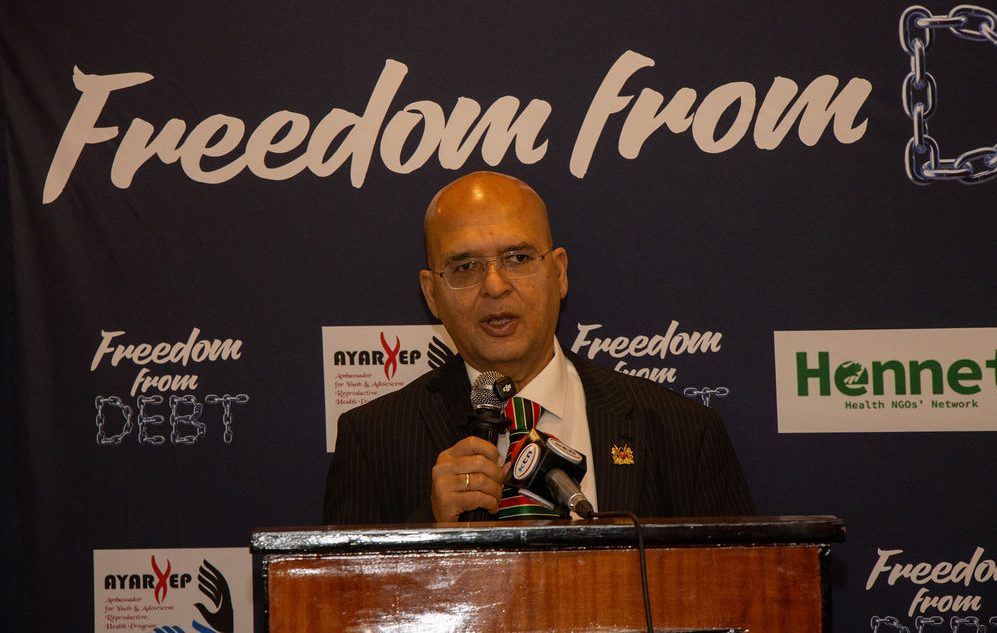
The meeting formed part of AHF’s global Freedom from Debt campaign, which calls for greater collective negotiating power for debtor countries, mandatory interest-free debt-service pauses during health and climate emergencies, and a 1 percent AI Solidarity Levy on global artificial intelligence industry revenues to support debt relief and public goods.
The campaign was advanced in the Kenyan context as Nairobi hosted the 6th African Conference on Debt and Development from August 26 to 28.
Across Africa, governments owed US$89 billion in external debt service in 2025, compared with US$60 billion in total development aid received, according to figures cited by AHF.
For the organisations behind the petition, the figures underline a wider concern that Africa’s debt crisis is no longer only a fiscal issue. They argue that rising debt repayments are increasingly affecting the money available for healthcare, education, jobs and development.
The question now is whether Kenya’s Parliament will respond to the petition with the constitutional and fiscal reforms being demanded, as concerns grow over how much of the country’s future revenue will continue to be absorbed by debt repayment.