The way people consume digital content is changing rapidly, with social media platforms increasingly shifting their focus towards vertical video formats that are redefining online storytelling and audience engagement.
For years, major platforms built their identities around different types of content. YouTube became the destination for user-generated videos, clips from television and films, and a growing community of creators. Instagram was primarily known for photography, while Netflix positioned itself as a leading destination for on-demand entertainment. Facebook focused on connecting friends and communities, while Twitter became closely associated with real-time news and conversations.
However, these differences have become less distinct as one format has emerged as a common language across platforms: vertical video.
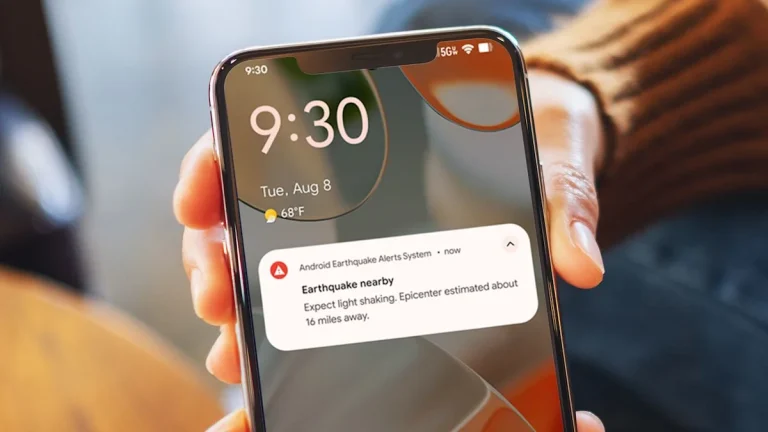
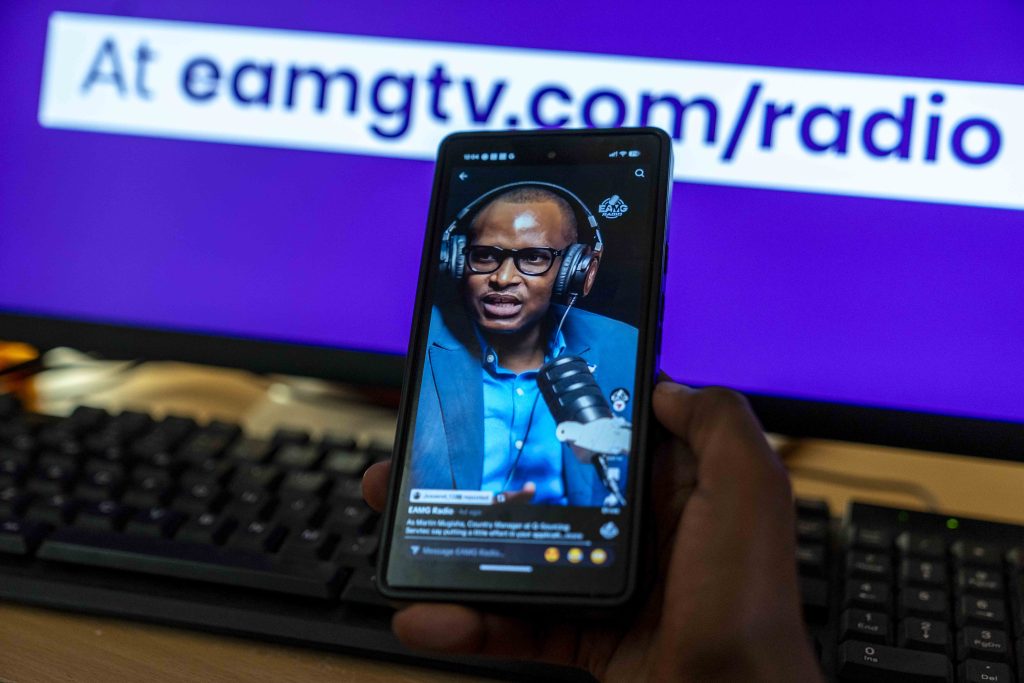
The rise of smartphones, particularly the habit of holding devices upright, has accelerated the popularity of short-form vertical videos. Platforms have responded by prioritising formats that fit mobile screens, allowing users to watch, create, and share content more quickly.
Features such as TikTok videos, Instagram Reels, YouTube Shorts, and Facebook Reels have pushed vertical video into the centre of digital media strategies. The format has become especially popular among younger audiences who prefer fast, engaging, and easily accessible content.
Media organisations, brands, and creators are also adapting to the change. Traditional storytelling approaches are being redesigned for mobile-first audiences, with shorter videos, stronger opening moments, subtitles, and visually engaging formats becoming essential for reaching viewers.
The shift has also created new opportunities for creators and journalists, allowing them to distribute news, entertainment, and educational content directly to audiences without relying only on traditional broadcasting channels.
Industry experts say the growth of vertical video represents more than just a change in screen orientation; it reflects a broader transformation in audience behaviour, where convenience, speed, and personalisation are becoming key drivers of content consumption.
As social media platforms continue to evolve, vertical video is expected to remain one of the most influential formats shaping the future of digital communication and storytelling.