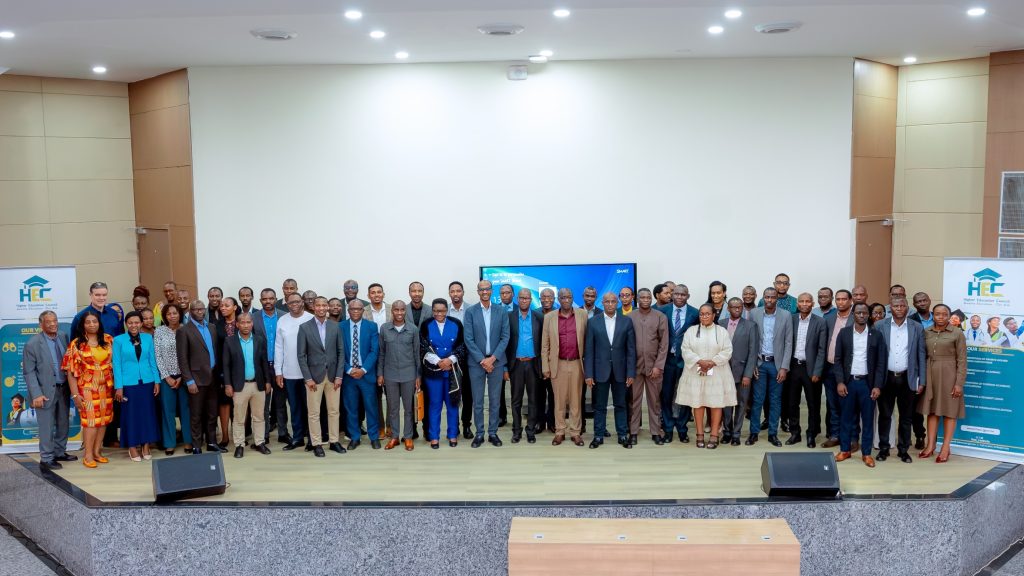
Rwanda is developing a national Higher Education Performance Measurement Framework that will establish a common system for measuring the performance and quality of universities and other higher learning institutions, while standardising how they collect, manage and report data.
The Higher Education Council (HEC) is leading the development of the framework in consultation with higher learning institutions and other stakeholders. Once operational, it will provide a shared evidence base covering students, lecturers, teaching and learning, research, innovation and graduate outcomes.
The initiative is intended to address gaps in the availability and reliability of higher education data and give the government, universities and other stakeholders clearer evidence for decision-making.
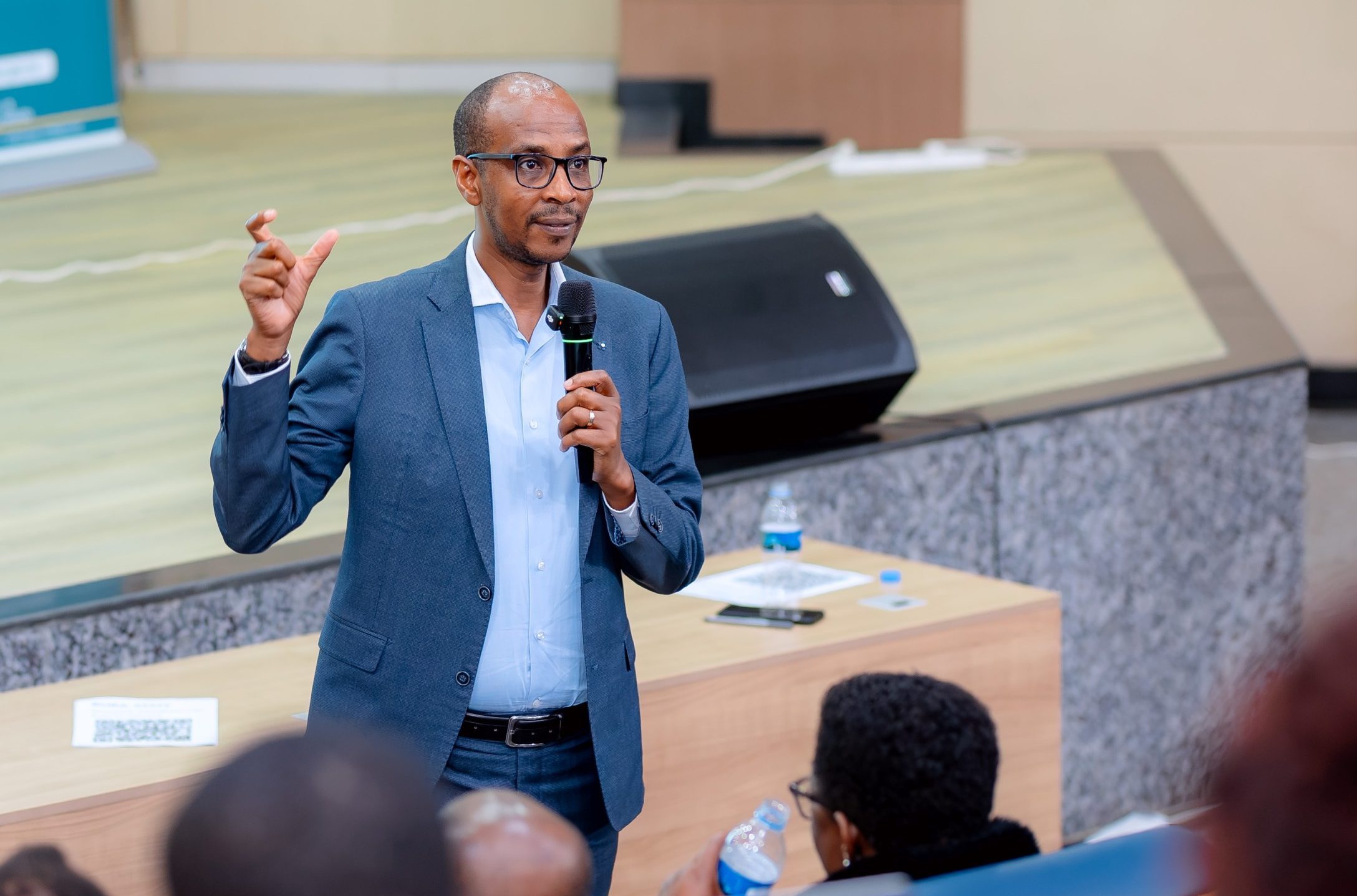
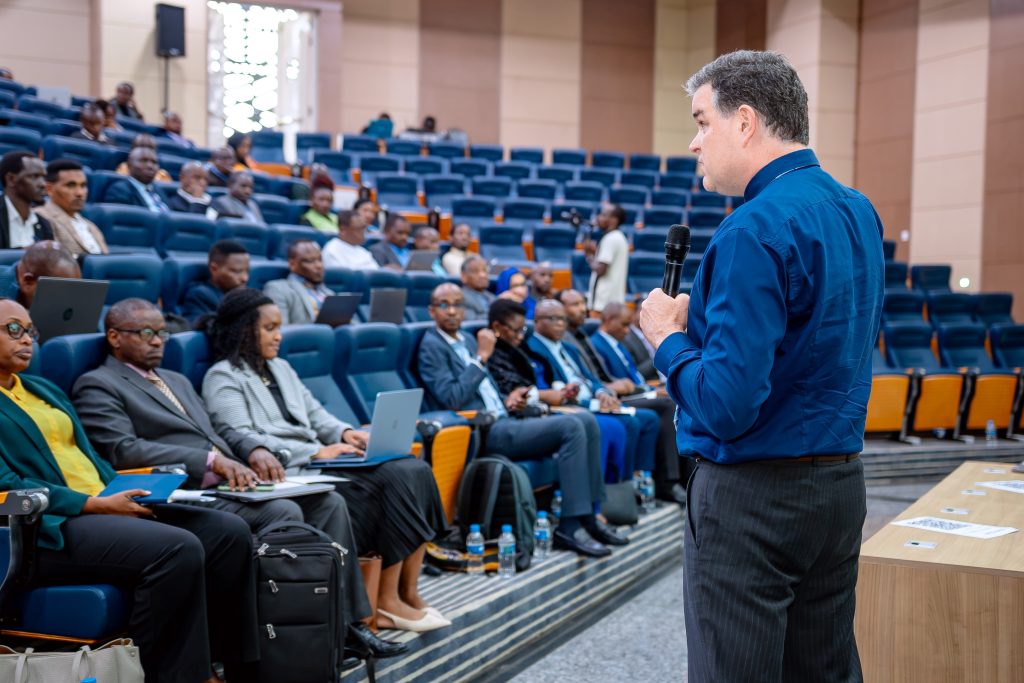
HEC Director General Kadozi Edward said the system will ensure information generated by higher learning institutions is systematically collected, cleaned, organised, digitised and published.
“Now we are building a system whereby all data related to higher learning institutions and universities will be captured, organized, cleaned, digitalized and published,” Kadozi said.
The framework is expected to capture data including student enrolment, dropout and transfer rates, students’ countries and regions of origin, staff profiles, research outputs, internationalisation and graduate outcomes.
The information could also be made available to international organisations, including UNESCO, the World Bank and the African Union, potentially improving the visibility of Rwanda’s higher education sector in international databases and assessments.
Kadozi said the framework will not be designed simply to rank universities. Instead, it will use clearly defined indicators to identify areas where institutions may need support and guide interventions to improve teaching, learning, research, innovation and graduate outcomes.
Institutions that fall below expected standards will be engaged and supported to improve their performance.
At the University of Kigali, Professor Ogechi Adiola, Deputy Vice Chancellor for Research, Innovation and Enterprise, said reliable national data would help universities better understand their students, staff and academic performance.
The system could also help institutions identify potential markets for international student recruitment as Rwanda seeks to strengthen its position as an education destination for students from across Africa.
Adiola said research data would be particularly important in establishing clearer measures of academic output and the quality and international recognition of journals where lecturers publish.
“We need the research. We need to know where staff are coming from and where they are publishing. If you don’t have established metrics, you will not be able to encourage lecturers to publish in the right place,” she said.
Dr Byiringiro Enock, Deputy Vice Chancellor in charge of Postgraduate Studies and Research at Kigali Independent University, said involving universities in the development process would help ensure the framework reflects the realities of higher learning institutions.
He said the national system could improve the international visibility of Rwandan universities while encouraging institutions to strengthen their performance based on measurable evidence.
The framework will also require universities to improve their internal information-management systems so they can generate accurate and complete data aligned with national indicators.
HEC plans to refine the indicators through continued consultations before digitising the system. The full process, including institutional capacity building and training on data generation, collection, reporting and utilisation, is expected to take one to two years.
Once implemented, the framework will give Rwanda a standardised way to measure the performance of its higher education sector, identify gaps and inform policies and interventions.
For universities, the system is expected to provide better evidence for improving academic programmes, research, student services and institutional development, while giving students and other stakeholders clearer information about the country’s higher learning institutions.