South Africa is currently experiencing a severe geomagnetic storm, a type of space weather caused by strong activity on the Sun, the South African National Space Agency (SANSA) has confirmed. Geomagnetic storms happen when charged particles from the Sun collide with the Earth’s magnetic field, creating disturbances that can affect technology on the ground and in the air.
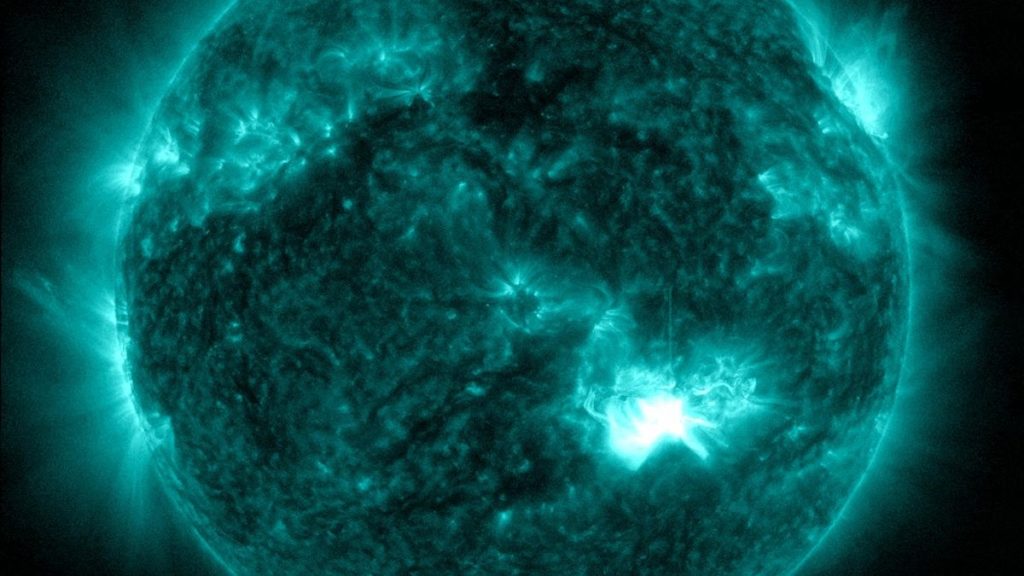
The current storm was triggered by a powerful X-class solar flare over the weekend, followed by a cloud of charged particles called a coronal mass ejection (CME) heading toward Earth. The storm has already reached G4/Severe conditions, according to SANSA, and is expected to continue through Tuesday, with the intensity fluctuating between moderate (G1–G3) and severe levels.
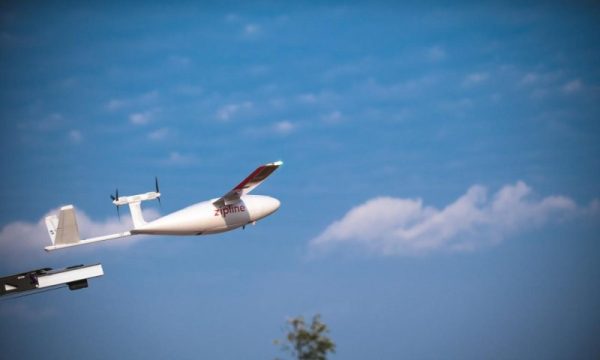
While most people will not feel the storm directly, it can significantly affect systems that rely on electronics and satellite communication. These include radio and GPS navigation systems, aviation, drones, and power grids. SANSA has advised operators in these sectors to closely monitor updates and prepare for potential disruptions.
The solar flare itself did not directly impact Africa initially because the strongest effects occurred during nighttime and outside the continent’s region. However, the arriving CME may still affect parts of Southern and Eastern Africa, potentially interfering with satellite communications, navigation networks, and electricity infrastructure.
Experts say this event highlights the growing vulnerability of Africa to extreme space weather, particularly as many countries increasingly depend on satellites, GPS systems, and digital communication networks for transportation, agriculture, financial services, and emergency management. Proper monitoring and preparedness are essential to avoid serious disruptions to these critical systems.
SANSA measures geomagnetic storms on a global G-scale, ranging from G1 (minor) to G5 (extreme). The current storm being at G4 indicates a high-level event that can cause widespread effects on technology. Authorities and industries that rely on these systems are urged to take precautions, including having backup systems and staying updated with official space weather alerts.
This geomagnetic storm serves as a reminder for African countries to invest in stronger infrastructure, regional cooperation, and early-warning systems to reduce the impact of solar storms. With increasing reliance on modern technology, space weather is no longer a distant concern—it can have real economic, communication, and safety consequences across the region.