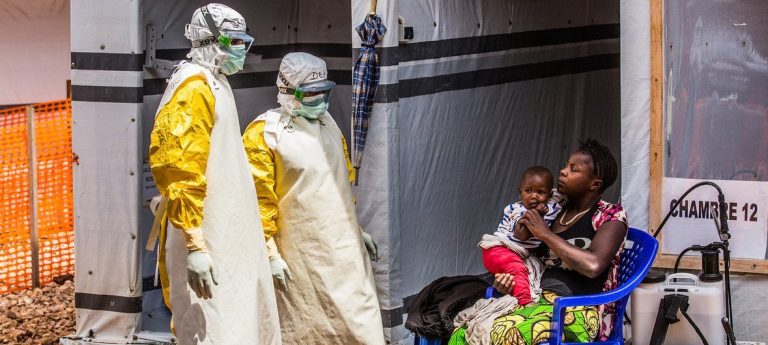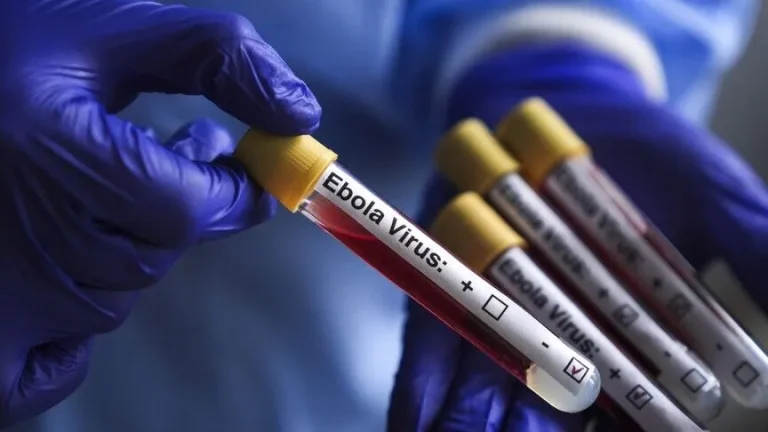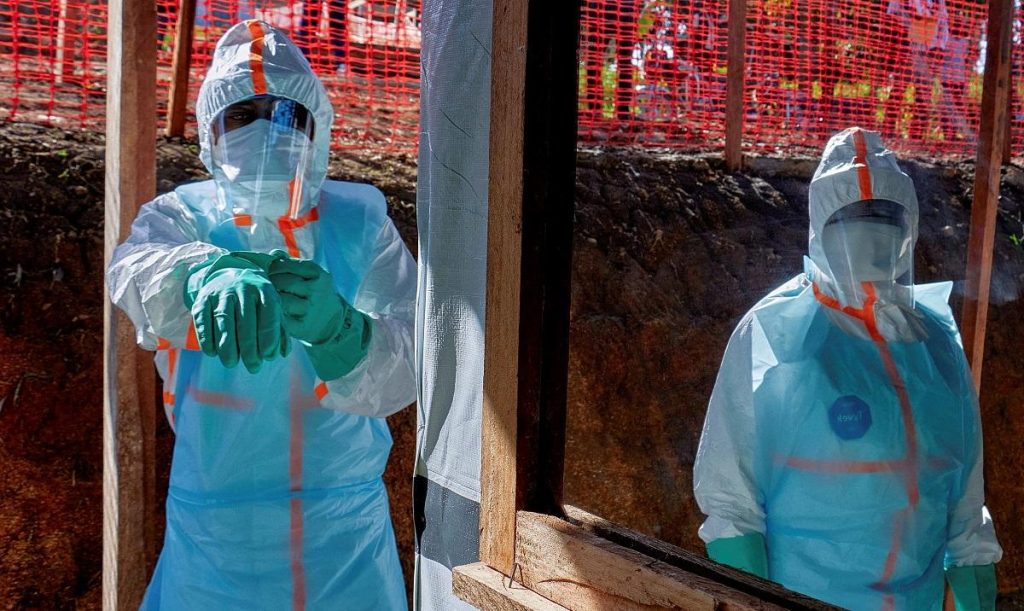
Healthcare workers responding to the Ebola outbreak in eastern Democratic Republic of the Congo are facing severe shortages of essential protective equipment, including boots, masks, face shields, disinfectants and other infection-prevention supplies, even as the outbreak continues to grow. Reuters reported on Tuesday that medics on the front line are struggling to get the basic gear needed to work safely in affected areas.
The shortages come at a time when the outbreak is already placing heavy pressure on an overstretched health system in the country’s east. The World Health Organization said the outbreak, caused by the Bundibugyo strain of Ebola, had reached at least 515 confirmed cases and 91 deaths in the DRC as of June 6, with transmission concentrated in Ituri Province and spread also reported in North Kivu and South Kivu. Reuters later reported the toll had climbed to 598 confirmed cases and 115 deaths by June 9.
Health workers are among the hardest hit. WHO said 16 confirmed cases have been reported among health and care workers to date, while earlier reporting indicated 34 healthcare workers had been infected, with several fatalities. The gap in protection is especially dangerous in a disease outbreak where frontline staff are crucial to isolating patients, tracing contacts and preventing further transmission.
Aid agencies and responders say supply chain disruptions, insecurity and logistical constraints have made it difficult to deliver equipment to remote and conflict-affected areas. WHO has said the outbreak is unfolding in a challenging environment marked by insecurity, weak referral systems and difficult access, while also noting that more than 17 tons of emergency supplies have already been shipped to the DRC as part of the response.
The shortage of protective gear matters because the Ebola response depends heavily on keeping health workers safe. Without adequate PPE and disinfectants, the risk of infection rises for nurses, clinicians, burial teams and other responders, which can weaken the response and allow the virus to spread further. WHO says the outbreak has already been classified as a Public Health Emergency of International Concern, underscoring the seriousness of the situation.