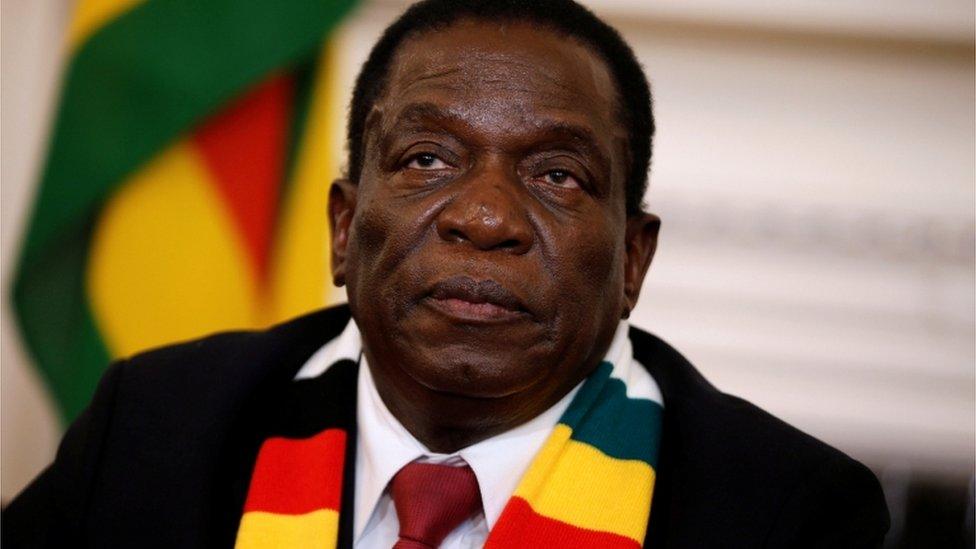
Zimbabwe’s government has introduced a constitutional amendment bill that could extend President Emmerson Mnangagwa’s time in office by two years, potentially allowing him to remain president until 2030.
The bill was presented to Parliament on Tuesday by Justice Minister Ziyambi Ziyambi and is scheduled for a second reading on Wednesday. If approved, the proposed changes would extend presidential terms from five years to seven years and alter the method of electing future presidents, shifting from direct public voting to parliamentary selection.
Mnangagwa, 83, is currently expected to leave office in 2028 after serving the maximum two five-year terms allowed under Zimbabwe’s constitution. However, supporters within the ruling party argue that extending the presidential term would provide greater continuity and stability in governance.
Political analysts believe the legislation has a strong chance of passing, as the ruling party, ZANU-PF, holds a two-thirds majority in the lower house and maintains significant influence in the Senate through traditional leaders and allied representatives. The numbers would give the party the constitutional majority required to amend the country’s supreme law.
The proposal has sparked criticism from opposition groups, civil society organizations, and some veterans of Zimbabwe’s liberation struggle. A group of retired generals and former senior civil servants recently voiced their opposition, warning that extending presidential terms could undermine democratic principles and constitutional limits on executive power. According to the group, they met with Mnangagwa last month to express their concerns. They claim the president responded by saying, “whoever wins, wins,” referring to the outcome of the parliamentary process.
The bill is also facing legal challenges. War veterans and activists have petitioned Zimbabwe’s Constitutional Court, arguing that the proposed amendments are unconstitutional. The court has reserved judgment while it considers the case. ZANU-PF has governed Zimbabwe continuously since the country gained independence from Britain in 1980. The party was first led by former president Robert Mugabe before Emmerson Mnangagwa assumed power following the military-backed removal of Mugabe in 2017.
Justice Minister Ziyambi has indicated that the legislative process is expected to take approximately one month before a final decision is reached.