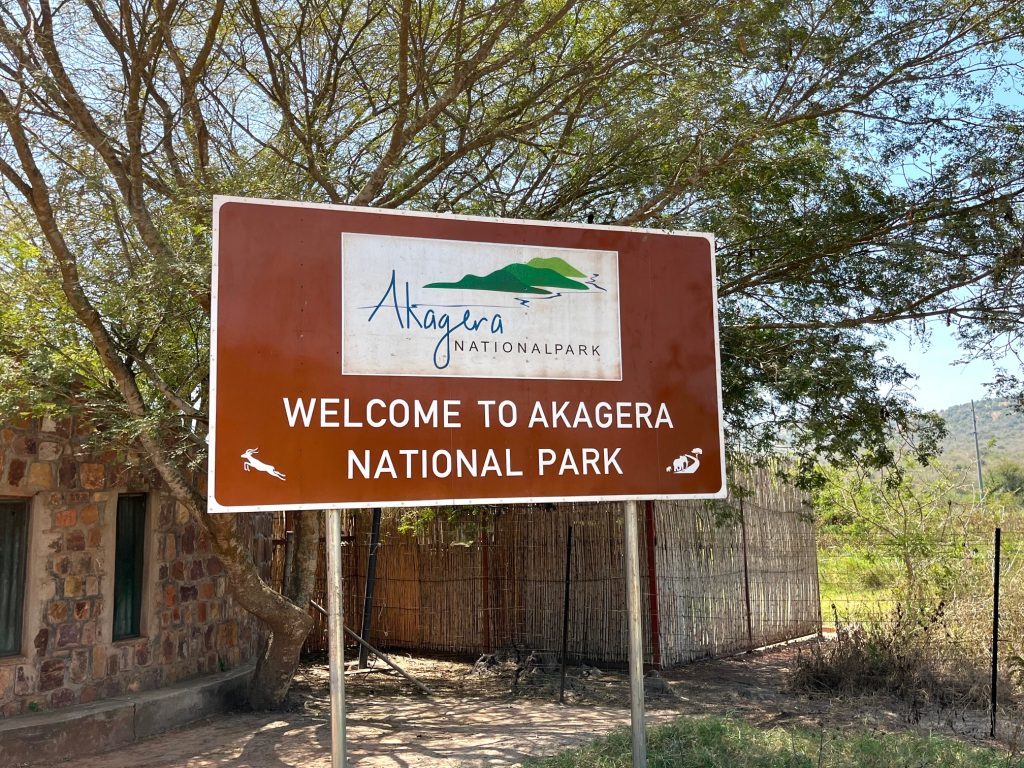
Akagera National Park has recorded a strong start to 2026, welcoming more than 11,700 visitors in the first quarter, with Rwandan tourists making up the largest share of arrivals. The figures point to continued growth in domestic tourism and the park’s rising popularity as one of Rwanda’s leading travel destinations.
Park authorities say the increase is being driven by several factors, including the presence of the “Big Five” lions, elephants, buffaloes, leopards, and rhinos alongside ongoing conservation work and tourism promotion campaigns such as the Visit Rwanda initiative.
Revenue for the period rose by 8% compared to the same quarter in 2025, reaching about $1.33 million from tourism and related commercial activities. Akagera also received a major international boost when National Geographic included it among the 25 must-visit destinations in the world for 2026, praising its rich biodiversity and scenic landscapes.
Tourism around the park continued to support surrounding communities, which collectively earned more than $168,220 through conservation-linked income-generating activities during the quarter.
Fishing groups brought in $59,770, while beekeepers earned $17,309. Additional income came from crafts, poultry farming and accommodation services, which generated $16,998.
Local tour guides earned $31,922, and cooperatives involved in construction and casual labor made $42,227, showing the growing role of community participation in conservation-based tourism.
Akagera’s open ecosystem means wildlife moves freely, so animal sightings vary by time and location. To strengthen conservation and research efforts, teams fitted GPS collars on three lions and one elephant between January and March 2026.
In the same period, 17 black rhinos were fitted with VHF transmitters attached to their horns to improve monitoring and protection.
Established in 1934, Akagera National Park covers 1,122 square kilometers and remains one of Rwanda’s most biodiverse protected areas. It hosts more than 11,300 recorded animals, including about 60 lions, 142 elephants, 4,000 buffaloes, 115 giraffes, 80 to 100 leopards, and 145 rhinos.
Other species include around 2,000 impalas, 1,500 antelopes, 120 to 150 hyenas, 1,500 to 1,800 hippos, and 1,000 waterbucks. The park is also a major birding destination, with an estimated 500 bird species, the highest recorded in any national park in Rwanda. Compared with other protected areas, Akagera stands out for its diversity, with Nyungwe National Park hosting around 300 bird species, while Gishwati and Volcanoes National Parks have fewer.