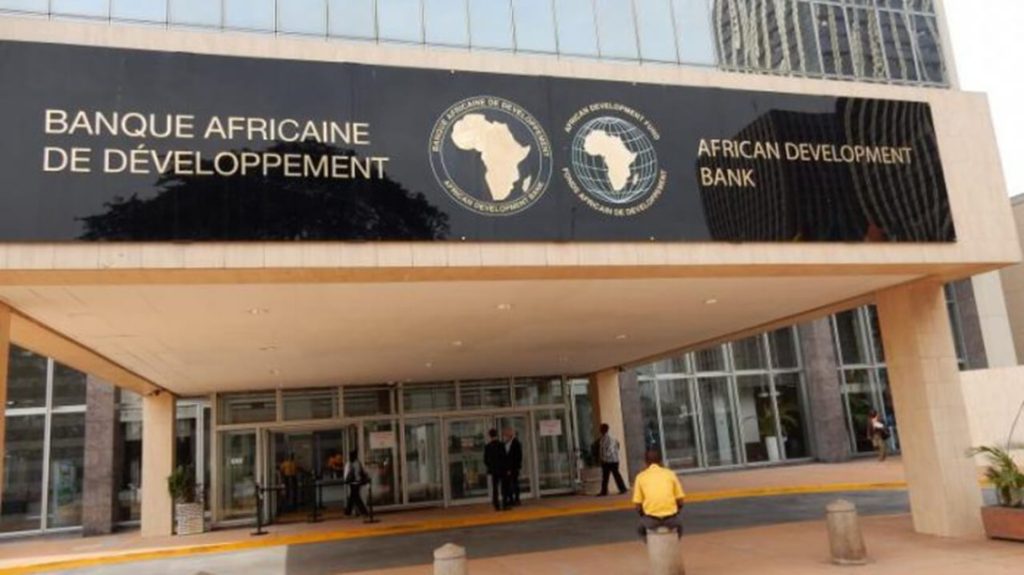
The ongoing crisis in the Middle East could reduce Africa’s economic growth by 0.2 percent in 2026, according to a joint policy document released on Tuesday, April 15, 2026, by the African Union Commission, the African Development Bank Group (AfDB), the United Nations Economic Commission for Africa (ECA), and the United Nations Development Programme (UNDP).
The report, titled “Impacts of the Conflict in the Middle East on African Economies,” warns that African economies, which were still recovering from the shocks of COVID-19, the Russia-Ukraine war, and rising trade tariffs, could face renewed pressure from the conflict and its wider economic spillovers.
Presenting the report on the sidelines of the Spring Meetings of the International Monetary Fund and the World Bank in Washington, D.C., AfDB Chief Economist and Vice President for Economic Governance and Knowledge Management Kevin Urama said the closure of the Strait of Hormuz would have major consequences for transport and trade.
“The report reminds us that the continent demonstrates remarkable resilience,” said Francisca Tatchouop Belobe, African Union Commissioner for Economic Affairs, Development, Trade, Tourism, Industry, and Mining.
The report says the main impacts of the Middle East conflict on African economies include rising prices for hydrocarbons, food products, and fertilizers, as well as disruptions to global trade, logistics, and supply chains. It also warns of increased volatility in capital and foreign exchange markets.
According to Claver Gatete, Executive Secretary of the ECA, about 80 percent of the oil imported into Africa comes from the Middle East, as well as 50 percent of refined petroleum. He said the conflicts had already contributed to currency depreciation in 31 African countries.
Urama urged African governments not to panic or take hasty decisions that could weaken fiscal balances, calling instead for measured and coordinated responses.
The report recommends strategic inflation management to preserve short-term price stability, while advising oil-exporting countries to maintain strict fiscal discipline, manage windfall revenues prudently, strengthen debt monitoring, and use energy reserves carefully. Where fiscal space permits, it suggests temporary and targeted social protection measures to cushion the most vulnerable people.
It also warns against broad-based subsidies, saying they could worsen long-term fiscal deficits. Instead, the report calls for diversification of energy, input, and food supply sources, as well as stronger regional and intra-African trade in oil and fertilizer markets.
Other recommendations include closer coordination among institutions to align monetary and fiscal policies, emergency support from development partners and multilateral institutions, and faster implementation of the African Continental Free Trade Area (AfCFTA). The report also urges Africa to accelerate investment in renewable energy and the gas sector to reduce dependence on external energy supplies.
It further calls on stakeholders in Africa’s financial ecosystem to speed up the implementation of the New African Financial Architecture for Development (NAFAD). AfDB said recent continent-wide consultations on the initiative produced the “Abidjan Consensus” on April 9, 2026, aimed at mobilizing more African financial resources to support development financing.
UN Deputy Secretary-General Amina J. Mohammed called for measures to protect the gains already made on the continent, saying efforts must continue to ensure the achievement of the 2030 Agenda and Agenda 2063.
AfDB Senior Vice President Marie-Laure Akin-Olugbade said global coordination would be essential because no country or institution can manage such shocks alone. She added that quick action was necessary, as seen during the COVID-19 pandemic and the war in Ukraine, and stressed that people must remain at the center of interventions.
UNDP Regional Bureau for Africa Director Ahunna Eziakonwa said African countries must build resilience through domestic solutions.
“The shocks affect us deeply, and we have no choice but to be resilient, and African countries have the means to respond,” she said. “In Africa, we need to win the fight for energy independence.”
She added that investment in innovation, digital technology, artificial intelligence, and young people would be key to building long-term resilience.
After the presentation, a panel discussion examined the report’s findings and proposed further policy responses.