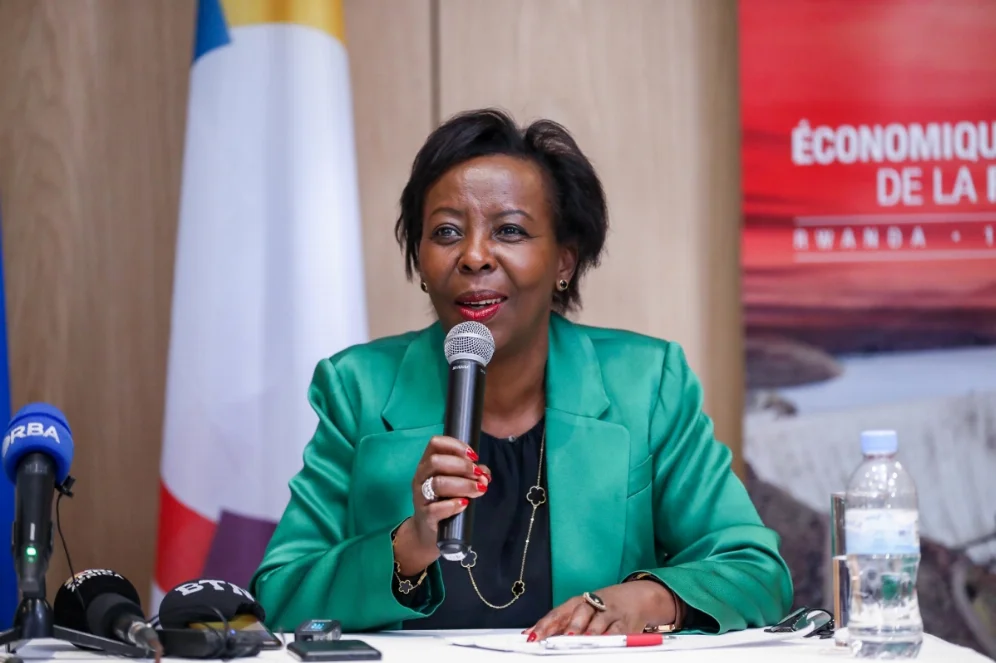
The 20th Francophonie Summit will place the future leadership of the International Organisation of La Francophonie (OIF) at the centre of discussions as member states prepare to elect a Secretary-General for the 2027–2030 term.
The election is scheduled for November 16, 2026, during the summit in Phnom Penh, Cambodia, which runs from November 15 to 16 under the theme “Reinvest in Peace for Shared Prosperity and Lasting Stability.”
Four candidates are competing for the position: incumbent Secretary-General Louise Mushikiwabo of Rwanda, who is seeking a third term; Juliana Amato Lumumba of the Democratic Republic of Congo; Coumba Bâ of Mauritania; and Dacian Cioloș, former prime minister of Romania.
The election will be decided by the heads of state and government of the OIF’s 53 full member states and governments. The organisation has 90 members, associate members and observers in total, but only full members participate in the leadership election.
Rwanda’s Mushikiwabo seeks another term
Mushikiwabo, who has led the organisation since 2019, is seeking to extend her leadership after being elected in 2018 and re-elected in 2022.
Her candidacy comes as Rwanda seeks to retain the position, which has been held by an African leader since the organisation’s current Secretary-General office was established in 1997.
African candidates and competing visions
The contest features three African women, alongside Cioloș of Romania.
Lumumba, backed by the Democratic Republic of Congo, is campaigning under the programme “Nine New Projects for a New Francophonie,” which emphasises people-centred cooperation, linguistic and cultural diversity, and access to digital knowledge.
Bâ, a former Mauritanian minister, is also seeking the position, while Cioloș, a former Romanian prime minister and European commissioner, is presenting a vision focused on economic cooperation and institutional effectiveness.
The contest has attracted particular attention because of diplomatic tensions between Rwanda and the Democratic Republic of Congo. Kinshasa has openly opposed Mushikiwabo’s re-election and is backing Lumumba.
Rwanda’s Foreign Affairs Minister, Olivier Nduhungirehe, has meanwhile called on African countries to support one of the three African candidates, citing an African Union decision concerning the candidacies.
A revised election process
The 2026 vote is significant because it marks the first full application of the OIF’s revised leadership selection procedure, adopted in 2022.
Under the framework, candidates submitted formal applications and presented their strategic visions during hearings before member-state foreign ministers in Paris on June 30.
The final selection will take place behind closed doors during the Phnom Penh summit. The rules prioritise consensus among member states. If consensus cannot be reached, the procedure allows a vote by simple majority among full members present and voting.
The revised process is intended to formalise a selection system that previously relied largely on diplomatic consultations and consensus.
What is at stake for Africa?
The election carries significance for Africa, which accounts for a substantial share of the Francophonie’s membership and French-speaking population.
The next Secretary-General will be responsible for guiding the organisation’s strategic direction, strengthening cooperation among French-speaking countries and advancing its role in international diplomacy, education, culture, economic development and peacebuilding.
For African countries, the leadership contest also raises questions about representation, continental cooperation and the future priorities of an organisation whose membership extends beyond Africa.
As leaders gather in Phnom Penh, the outcome will determine who leads the Francophonie through 2030 and help shape its direction at a time of diplomatic tensions and changing international partnerships.