Formula 1 has announced a landmark 10-year agreement with Rwanda to bring the FIA Formula One World Championship back to Africa, with the Formula 1 African Grand Prix, presented by Visit Rwanda, expected to join the racing calendar in the early 2030s.
The announcement marks Formula 1’s first return to the African continent since the 1993 South African Grand Prix at Kyalami. Formula 1 President and CEO Stefano Domenicali, FIA President Mohammed Ben Sulayem and Rwandan President Paul Kagame announced the agreement in Kigali.
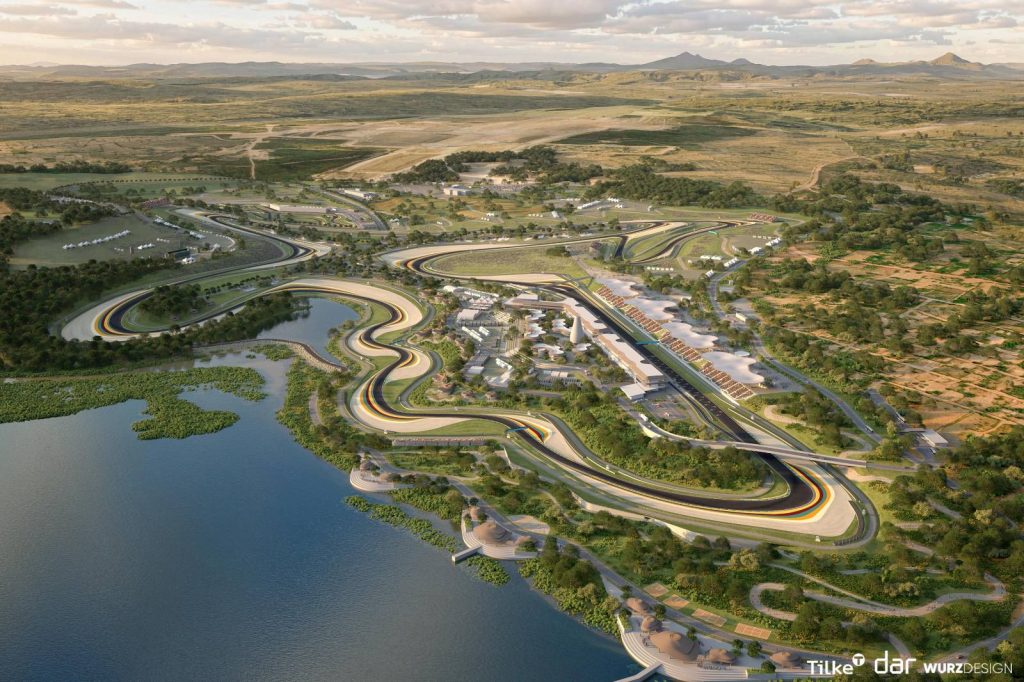
Under the agreement, the Grand Prix will take place on a new purpose-built circuit in Bugesera District, approximately 40 kilometres south of Kigali, near the under-construction Bugesera International Airport.
The circuit is expected to be developed to FIA Grade 1 standards, the highest certification required for Formula 1 racing. The project forms part of a broader sports, tourism, infrastructure and commercial development initiative led by the Rwanda Development Board.
According to the announcement, the circuit will incorporate the area’s natural landscape and elevation changes to create a distinctive racing experience. Beyond Formula 1, the venue is intended to operate throughout the year, hosting other motorsport competitions, major events, conferences and entertainment activities.
Rwanda Positions Itself as a Global Sports Destination
Speaking at the announcement, President Paul Kagame described the agreement as a milestone for both Rwanda and the African continent, highlighting its potential to create employment, develop skills, attract tourists and stimulate new business opportunities.
Kagame said Rwanda’s ambition extends beyond hosting a single race weekend, with the government seeking long-term economic and social benefits from the investment.
Formula 1 CEO Stefano Domenicali welcomed the agreement, describing it as a landmark moment for the sport. He said Africa had long been part of Formula 1’s ambition for global expansion and that the partnership with Rwanda would bring the championship closer to fans across the continent.
Domenicali also highlighted the potential for the event to support tourism, investment, skills development and local business growth.
FIA Highlights Motorsport Development and Accessibility
FIA President Mohammed Ben Sulayem said Formula 1’s return to Africa represents an important step in the continued global development of motorsport.
He said the FIA would work with Formula 1 and its partners to ensure the new circuit meets international standards, while supporting talent development and opportunities for future generations across Africa.
The project is also expected to create opportunities for local engineers, technicians, entrepreneurs and other professionals to participate in the wider motorsport industry.
Rwanda has increasingly used international sporting events to strengthen its global profile and attract investment. The country previously hosted the 2023 FIFA Congress, the 2024 FIA General Assemblies and Awards Ceremony, the Basketball Africa League, and the 2025 UCI Road World Championships.
The Formula 1 agreement represents another step in Rwanda’s ambition to establish itself as a destination for major international sporting competitions and business events.
A Growing African Fan Base
Africa represents a significant growth opportunity for Formula 1, with more than 100 million fans across the continent, according to figures cited by the championship. The sport also has a substantial young audience in sub-Saharan African markets, creating opportunities to expand its fan base and commercial partnerships.
Formula 1 last raced in Africa in 1993, when the South African Grand Prix was held at Kyalami. Rwanda’s inclusion would make it the third African country to host a round of the championship, following Morocco in 1958 and South Africa, which hosted races in multiple periods.
The agreement also means Formula 1 will have a presence on every inhabited continent once the Rwandan Grand Prix joins the calendar.
Looking Ahead
Although the agreement establishes a 10-year partnership, the exact date of the inaugural race has not yet been announced. The first event will depend on the completion of the circuit and the necessary preparations to meet Formula 1 and FIA requirements.
The development will require significant investment in motorsport infrastructure and supporting facilities. Its wider economic impact will depend on how effectively the project generates local employment, develops technical expertise, attracts visitors and creates opportunities for Rwandan businesses.
For Rwanda, the planned Grand Prix represents more than the return of elite motorsport to Africa. It is an opportunity to strengthen the country’s position in international sports tourism, develop new industries and connect local talent and businesses to the global motorsport economy.
With a 10-year agreement in place, attention now turns to circuit development, infrastructure delivery and the preparations required to bring Formula 1 racing back to Africa from Rwanda in the early 2030s.