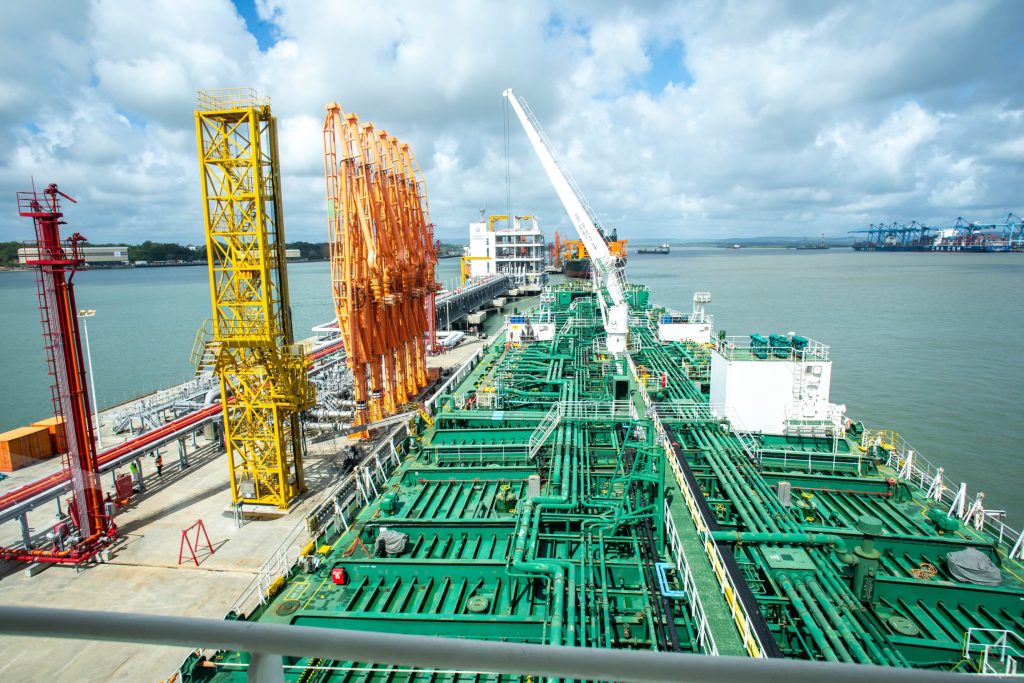
Rwanda and Kenya have marked a new milestone in their energy cooperation with the arrival of the MT Sea Wolf, carrying Rwanda National Energy Company’s (RNEC) maiden cargo of 40,000 tonnes of refined petroleum products at the Kenya Pipeline Company’s Kipevu Oil Terminal 2 (KOT2) in Mombasa.
The shipment is part of a new government-to-government framework that allows Rwanda to procure refined petroleum products directly while using Kenya’s port, pipeline and storage infrastructure through the Northern Corridor. The agreement signed earlier this year is intended to strengthen Rwanda’s fuel security, improve supply-chain resilience and increase regional trade.
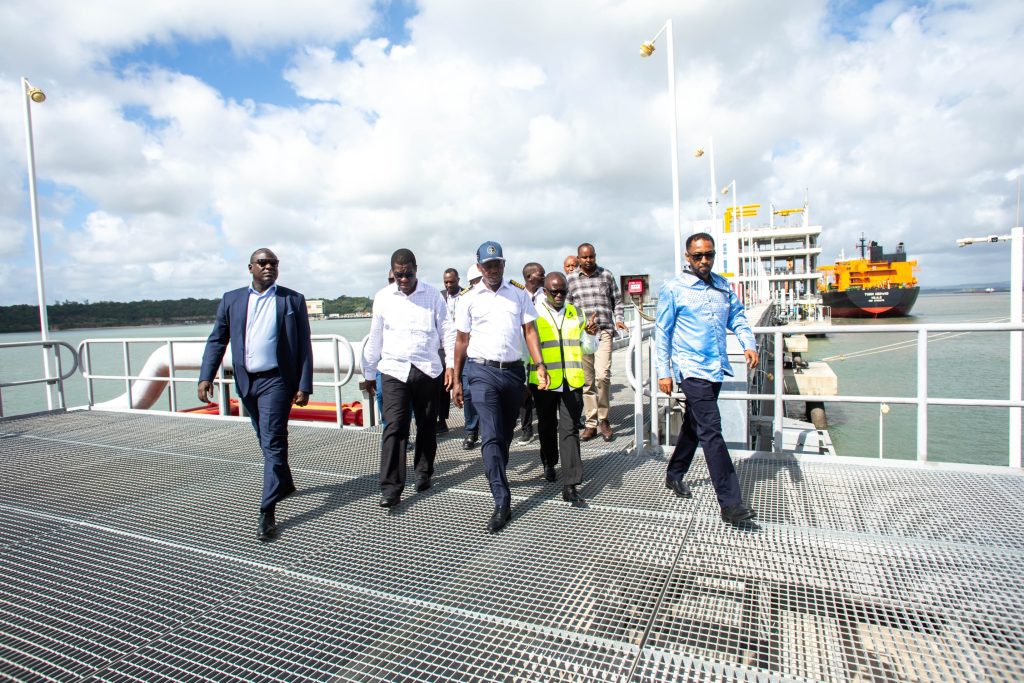
Speaking during the ceremony in Mombasa, Rwanda’s Minister of State representing the Government of Rwanda, Armand Zingiro, reaffirmed the country’s commitment to strengthening its partnership with Kenya and advancing regional integration under the East African Community (EAC).
He expressed optimism that the arrival of the MT Sea Wolf would mark the beginning of further shipments and deeper cooperation between the two countries, while contributing to shared economic development.
The maiden cargo is significant for Rwanda’s strategy to diversify its petroleum supply routes. Rwanda has also established a separate arrangement to import bulk refined petroleum products through Tanzania’s Port of Tanga, giving the country access to both the Northern and Central Corridors.
According to previously announced plans, Rwanda’s shipments through the new arrangements are intended to reduce reliance on intermediaries, strengthen procurement efficiency and improve the country’s ability to manage fuel stocks. The Kenya framework is expected to increase petroleum volumes moving through the Northern Corridor substantially, while Kenya Pipeline Company will provide storage and transport infrastructure for Rwanda-bound cargo.
The development also strengthens Kenya’s role as a regional logistics and energy gateway. Kipevu Oil Terminal 2 is a key facility for the handling of petroleum cargo at the Port of Mombasa, connecting maritime imports to inland markets through Kenya’s pipeline network.
For Rwanda, the arrival of the MT Sea Wolf represents a step toward building a more diversified and resilient fuel supply chain, while for Kenya, increased regional petroleum traffic could support greater use of its energy and logistics infrastructure.
The two countries have said the cooperation is part of a broader regional vision in which shared infrastructure and cross-border partnerships can support energy security, economic growth and regional integration.