Burundi has warned that relations with Kenya could come under strain if what it describes as anti-Burundian rhetoric continues, as uncertainty grows among its citizens living and running small businesses in Kenya following a government crackdown on foreign traders.
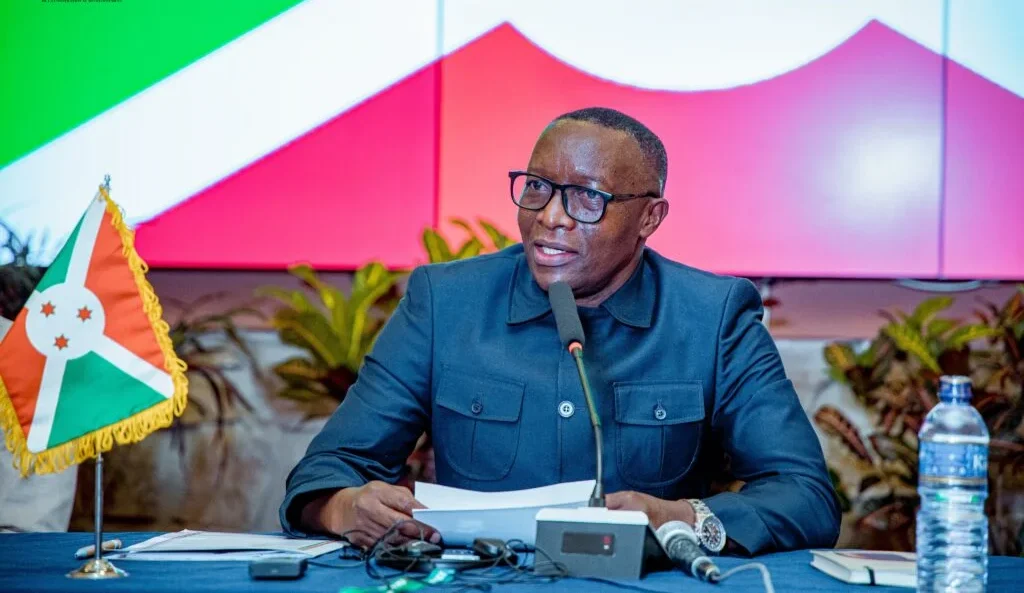
Burundi’s Foreign Minister Édouard Bizimana said Kenya has a responsibility to protect Burundian nationals in the country, while warning that the treatment of Kenyans and Burundians in each other’s territories could affect the longstanding relationship between the two East African neighbours.
“Kenyans live peacefully in Burundi. But if this hate speech against Burundi continues, things will certainly change,” Bizimana said. “Kenya’s government is responsible for the lives of Burundians living in Kenya.”
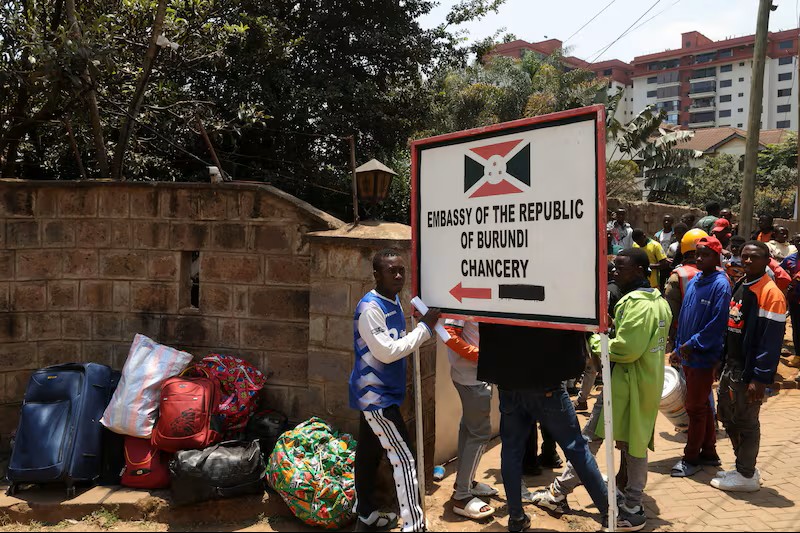
His remarks come as hundreds of Burundians have sought assistance at their embassy in Nairobi, including passports and emergency travel documents, amid growing fears over the impact of Kenya’s new measures targeting foreigners engaged in small-scale businesses.
Some have been seen carrying luggage as they consider returning home, while Burundi’s government has indicated it is preparing buses to facilitate the return of citizens who choose to leave.
The anxiety follows President William Ruto’s directive for authorities to crack down on foreigners operating small shops, hawking and other businesses that his administration says should be reserved for Kenyan citizens.
But Nairobi insists the policy is not aimed at law-abiding foreign nationals. Investments, Trade and Industry Cabinet Secretary Lee Kinyanjui said foreigners who meet Kenya’s immigration and business requirements have nothing to fear, while warning that visa-free entry does not give visitors an automatic right to work or trade.
“Visa-free entry or exemption from eTA requirements does not in itself confer the right to engage in employment, trade or business in Kenya,” Kinyanjui said.
The government says enforcement will focus on foreigners who breach the conditions of their stay or operate businesses without the required permits and licences, while legitimate investors and workers will continue to be allowed to operate.
That clarification has done little to remove the uncertainty among some Burundians, particularly those whose livelihoods depend on small businesses in Nairobi and other urban centres.
The dispute also carries wider significance because Kenya and Burundi are members of the East African Community, whose Common Market framework is built around the movement of people, labour, goods, services and capital across the region.