

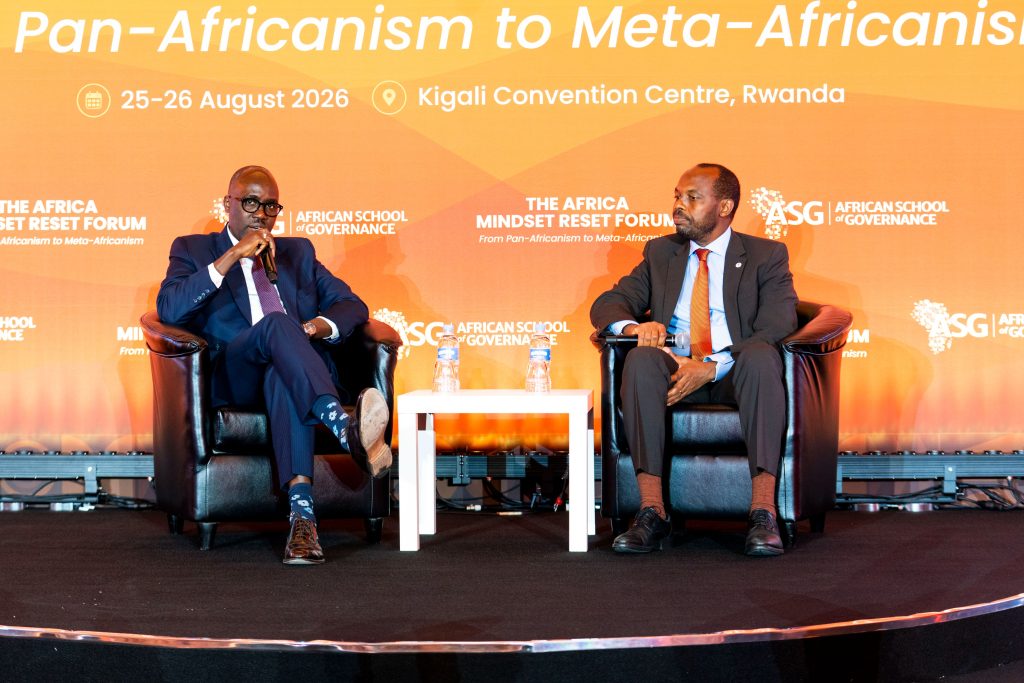
Africa’s growing trust deficit is no longer simply a political or social concern. It is increasingly an economic liability, shaping borrowing costs, investment flows, cross-border trade and the continent’s ability to deepen economic cooperation.
Kenya’s Principal Secretary, State Department for Foreign Affairs, Dr Korir Sing’oei, says rebuilding trust must be treated as an economic and strategic priority, particularly as African countries seek to attract investment, access affordable capital and strengthen their position in the global economy.
Speaking to the press in Kigali during the Africa Mindset Reset Forum, Sing’oei said the conversation on trust could not have come at a more critical moment, with African countries continuing to face high borrowing costs shaped partly by how investors perceive risk on the continent.
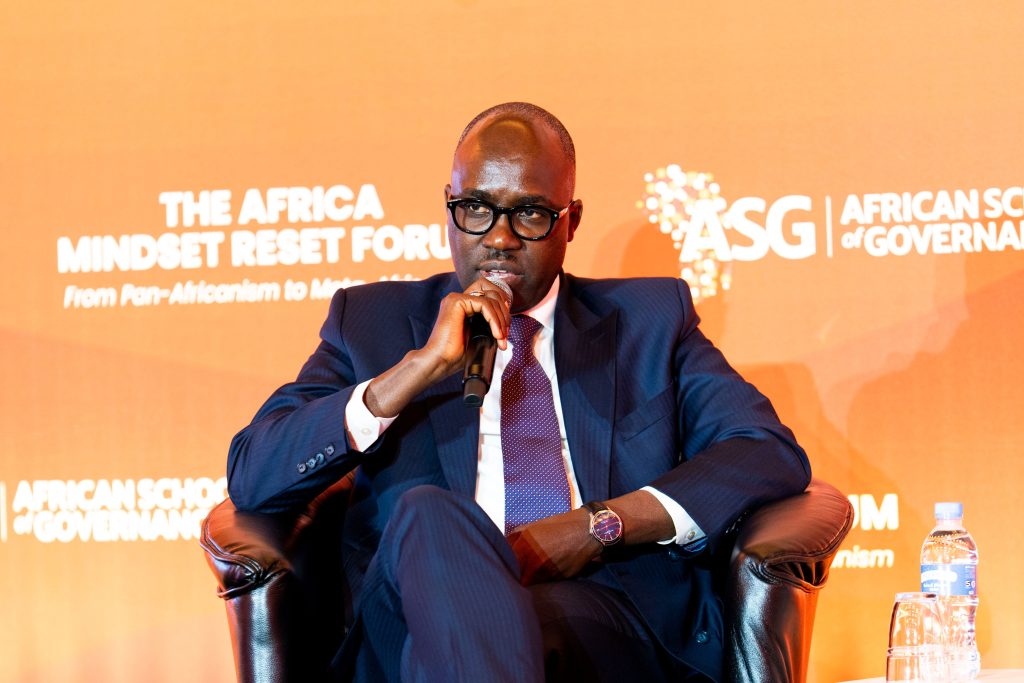
According to the UN’s World Social Report 2025, more than half of the world’s population expresses little or no trust in their government. The UN Development Programme estimates that subjectivity in sovereign credit ratings costs African countries about US$75 billion, including excessive interest costs and foregone lending. The UN Conference on Trade and Development puts Africa’s average cost of financing at 11.6%, about 8.5 percentage points above the US risk-free benchmark.
For Sing’oei, the cost of distrust extends far beyond sovereign debt markets. It is also a fundamental barrier to deeper regional trade and economic integration.
“The fundamental barrier, of course, is trust,” he said, pointing to the persistence of non-tariff barriers between African countries: many of them, he argued, reflect a failure by governments and regulatory institutions to trust one another’s decisions.
“One of the things we need to really deal with is to build confidence in the knowledge that when a standards body in Rwanda has certified a certain commodity as being fit, for example, for human consumption, if it’s medicine, that that medicine can be sold directly in Nairobi,” he added.
Instead, businesses often face repeated licensing and regulatory procedures when entering neighbouring markets, adding time, uncertainty and cost to cross-border trade. Sing’oei noted that a medical product approved in Nairobi may access only one or two markets, while licensing the same product elsewhere in Africa can take two, three or even four years.
“The real question is how do we build confidence and trust that our regulatory institutions can be relied upon,” he said.
The argument cuts to the heart of Africa’s integration challenge. The continent has trade agreements and common markets, but businesses cannot fully benefit from them if a product approved in one country must clear lengthy, costly regulatory processes before entering another.
Sing’oei drew a contrast with Europe, where goods certified under recognised standards move across markets without further licensing. “The reason Europe’s intra-European trade is as big as it is, is because a good that has been certified as fit in France will sell immediately across 20 or so countries without any additional licensing or regulatory requirements,” he said. For Africa, he added, building trust between regulatory institutions could be as important as removing tariffs.
Where regulators lack confidence in one another’s standards, businesses face duplicated procedures, higher compliance costs and delays that limit their ability to scale beyond domestic markets. That weakens intra-African trade and raises a broader question: can Africa achieve deeper economic integration without first addressing the institutional mistrust that persists behind the border?
Why it matters beyond the continent
The trust deficit sits within a wider global decline, straining relationships between citizens and governments, between governments themselves, and between institutions across borders. For investors and businesses operating in or entering African markets, this is not an abstract governance debate: it shows up directly as risk premiums, financing costs, delayed regulatory approvals and the friction that keeps intra-African trade below its potential, despite the African Continental Free Trade Area. A credible, coordinated push to rebuild institutional trust would lower the cost of doing business across the continent, not just improve its image.
It is against that backdrop that Kenya, together with Strathmore University, the Open Government Partnership, UNDP Kenya, the Ford Foundation and the Konrad Adenauer Stiftung, will convene the Trust Summit 2026 in Nairobi from October 21 to 23, under the theme “Weaving Trust: Binding Strands for a Stronger Global Order.”
What happens next
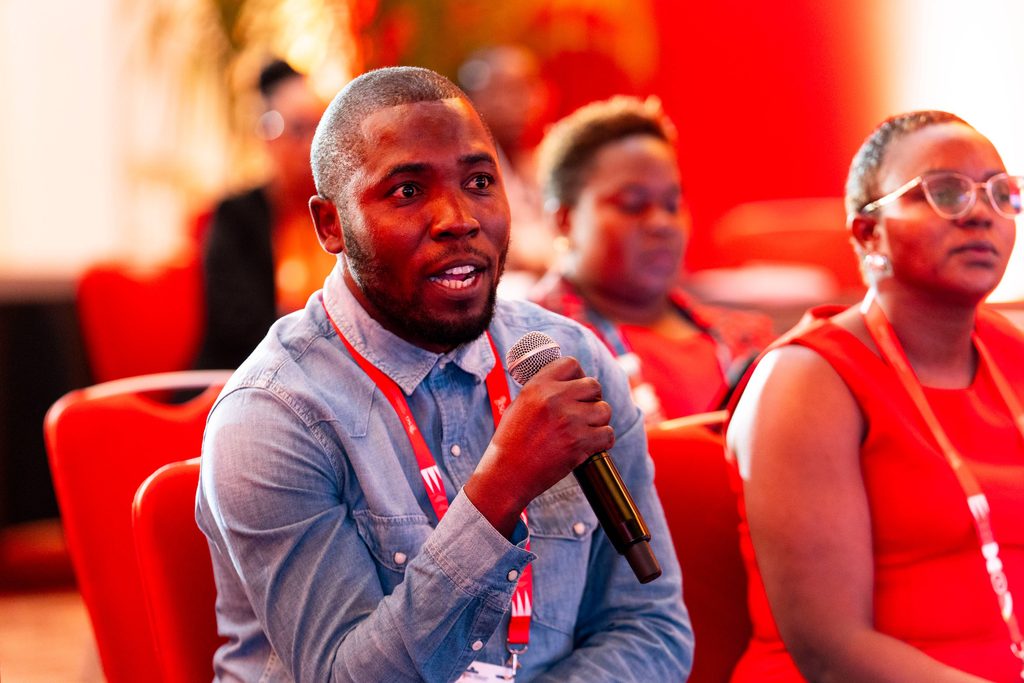
The summit will bring government leaders, policymakers, private sector executives, civil society representatives, scholars and international partners together to move past diagnosing the trust deficit and toward practical, time-bound action. Sing’oei said the goal is to seat regulators, senior officials, business and civil society at the same table to work out how trust between citizens and governments, and between governments and institutions, can be systematically rebuilt.
Organisers have set concrete deliverables against which the summit’s success can be measured:
- A Nairobi Statement on Global Trust, setting out shared principles and areas of consensus.
- A Summit Outcome Report documenting commitments and agreed follow-up actions.
- A joint task force, formalised by the State Department for Foreign Affairs, Strathmore University and the Open Government Partnership, to track and verify progress on those commitments.
- A Trust Barometer (an active dashboard tracking trust levels and reference points for future summits).
- A dedicated report on Africa’s trust landscape, mapping the drivers of the deficit and priority interventions for governments and development partners.
For businesses and investors, the task force and the Trust Barometer are the two mechanisms worth watching most closely in the year ahead: they are the difference between a summit that produces another statement and one that produces measurable, trackable reform.
For Francis Gatare, president of the African School of Governance and lead convener of the Africa Mindset Reset Forum, the question of trust fits into a broader challenge: turning Africa’s potential into measurable results. The mindset-reset conversation in Kigali has centred on greater African agency, stronger leadership and a shift from ambition toward execution, a transformation that also depends on whether Africans develop greater confidence in their own institutions, leaders, markets and one another.
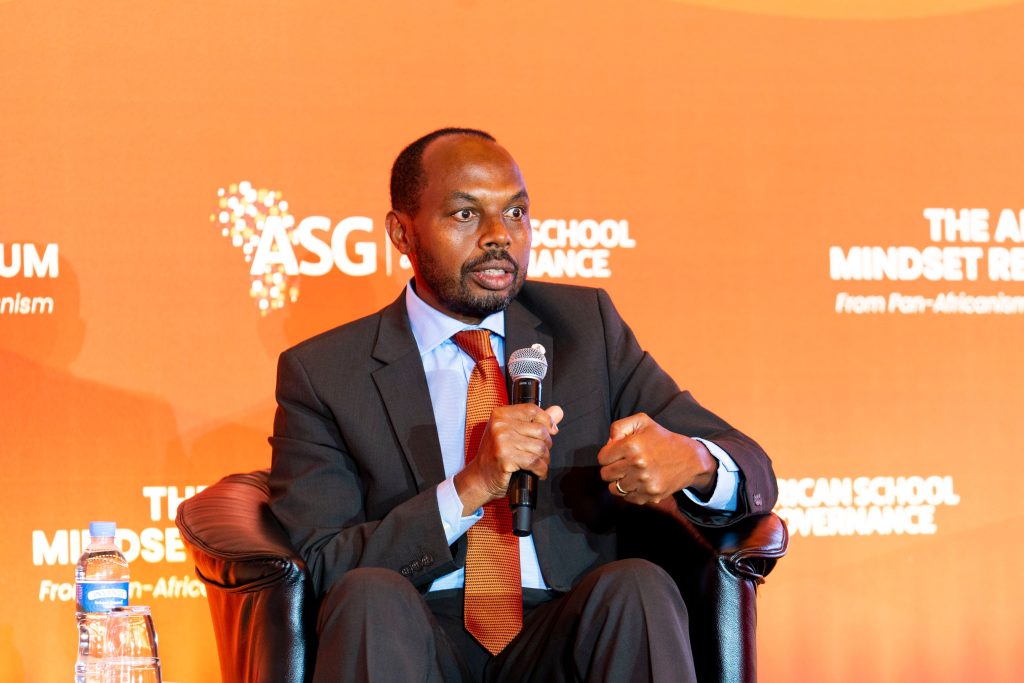
As Africa seeks cheaper capital, deeper intra-African trade, stronger institutions and greater influence in global affairs, rebuilding trust is shaping up to be one of the continent’s most consequential economic bets. Whether the Trust Summit delivers a durable mechanism for that, rather than another set of pledges, will be the real test come October.


