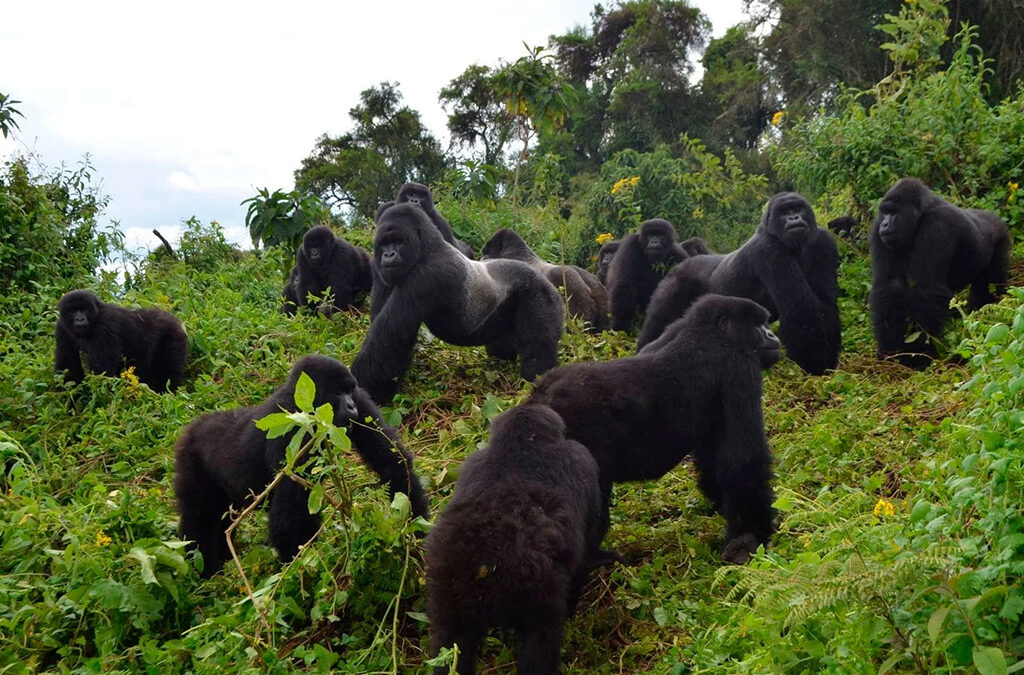
As Rwanda prepares for the 21st Kwita Izina ceremony, conservation is emerging as more than a wildlife protection effort. It is increasingly becoming a driver of tourism, jobs, community development and economic opportunity, with the country’s mountain gorillas at the centre of that transformation.
Rwanda welcomed 1.49 million visitors in 2025, a 9 percent increase from the previous year, while tourism revenues reached a record US$685 million, according to the Rwanda Development Board. At the heart of that tourism story is conservation, with Volcanoes National Park alone generating US$35.8 million in revenue in 2025.
The global story of Rwanda’s mountain gorillas is also reaching a wider audience. A Gorilla Story: Told by David Attenborough has been streaming worldwide on Netflix since April 17, bringing the story of the species and the people working to protect it to audiences around the world.
But for Rwanda, the value of conservation is measured not only in international attention or tourism earnings. It is also in what communities living around protected areas gain from protecting nature and how those benefits can create a stronger incentive to preserve it.
Putting communities at the centre
Rwanda’s conservation model places communities at the centre of wildlife protection, with part of tourism revenue channelled directly into local development.
Under the tourism revenue-sharing programme, 10 percent of total tourism revenue from national parks goes directly to surrounding communities. The funds support schools, health centres, agriculture, handicrafts and other community priorities.
Since the initiative began in 2005, about 1,300 projects have been funded, with nearly US$16 million invested. According to Eugene Mutangana, Executive Secretary of the Rwanda Nature Foundation, the model is built around the principle that communities living alongside protected areas should benefit directly from conservation.
“Rwanda has principally championed centralizing communities that protect areas for conservation, and that means they should benefit first and foremost,” Mutangana said.
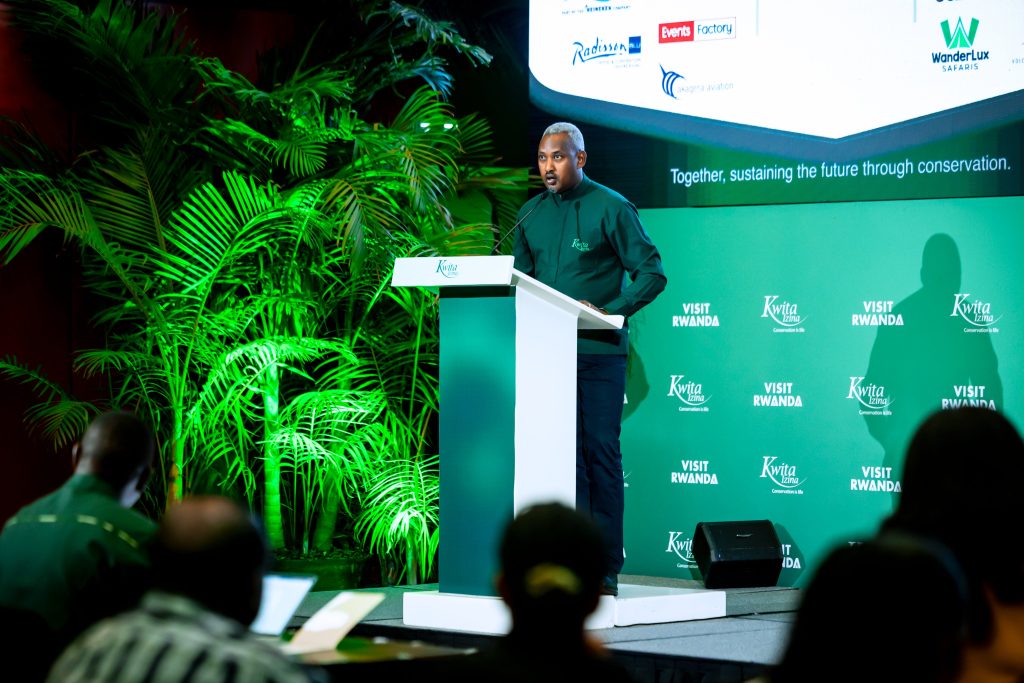
He says the revenue-sharing model is also designed to expand as the tourism sector grows, meaning communities can benefit from increasing visitor numbers and revenues.
“The 10 percent actually is not static. It keeps growing. As tourism revenues grow, the 10 percent also grows,” he said. Mutangana says the impact is already being felt through employment and new economic activity in communities surrounding protected areas, creating a link between livelihoods and the protection of nature.
“We see a great change, creating jobs, and then also inducing other jobs within communities. And that makes them appreciate nature, appreciate conservation, and then conservation thrives because they’re involved,” he said.
A conservation economy for young people
The opportunities created by conservation are not limited to established businesses. Young people are increasingly being encouraged to view the sector as a wider economic ecosystem that brings together technology, agriculture, creative industries and tourism.
Mutangana says technology, in particular, could open new opportunities for young people who want to build careers around conservation.
“They should actually embrace the opportunity and look at how technology impacts conservation. This is what they should focus on, and that would be one of the newest opportunities that young people should actually look at,” he said.
For young people living near national parks, he says, the answer is not necessarily to leave their communities in search of opportunities in major towns and cities. Instead, many of the opportunities created by conservation and tourism can be found close to home.
“They shouldn’t actually run to town. The opportunities actually are in the communities where they come from, especially those adjacent,” Mutangana said.
Those opportunities include handicrafts, smart agriculture, wildlife filming, photography and guiding, all of which can connect local talent to the growing tourism industry. “There’s a lot. Wildlife filming, that is another thing for the young people, photography and guiding,” he said.
Mutangana also believes guiding can offer young Rwandans an opportunity to do more than simply take tourists into the national parks. It can give them a platform to tell stories about their own communities, culture and environment.
“Sometimes guiding goes beyond. It’s telling a story. And sometimes the stories are told by foreigners. So how do Rwandans, actually young people, tell their own stories that enrich the experience of tourists that visit Rwanda?” he said.
Beyond the gorillas
Although the mountain gorillas remain one of Rwanda’s most recognisable tourism attractions, the country’s conservation economy extends well beyond Volcanoes National Park.
Rwanda’s national parks recorded 155,394 visits in 2025, generating about US$40.8 million in park revenue. Domestic tourism is also growing, with visits by Rwandans increasing by 8.1 percent to more than 59,000 during the year.
That growing visitor base supports a much wider network of businesses, including hotels, restaurants, farmers, transport operators, artisans and other enterprises that provide goods and services to the tourism industry.
For communities around Volcanoes National Park, the impact is becoming increasingly visible, with tourism creating demand for accommodation, food, handicrafts and other locally produced goods.
Kwita Izina: More than a naming ceremony
This year, Rwanda will once again turn the world’s attention to its mountain gorillas through Kwita Izina, the annual gorilla naming ceremony.
The 21st edition will take place on September 4 in Musanze, with 22 baby mountain gorillas expected to be named. While the ceremony is the centrepiece, officials say its impact extends well beyond the event itself.
For Maurice Mugabowagahunde, Governor of Rwanda’s Northern Province, the growth of tourism around Kwita Izina has created opportunities for businesses across the region.
“The event goes beyond that, goes beyond the ceremony we are organising in September, because the benefits we have from tourism are going a little bit wide,” Mugabowagahunde said.
He points to the growth of hotels, restaurants and handicraft businesses as some of the visible benefits of increased tourism activity in the region.
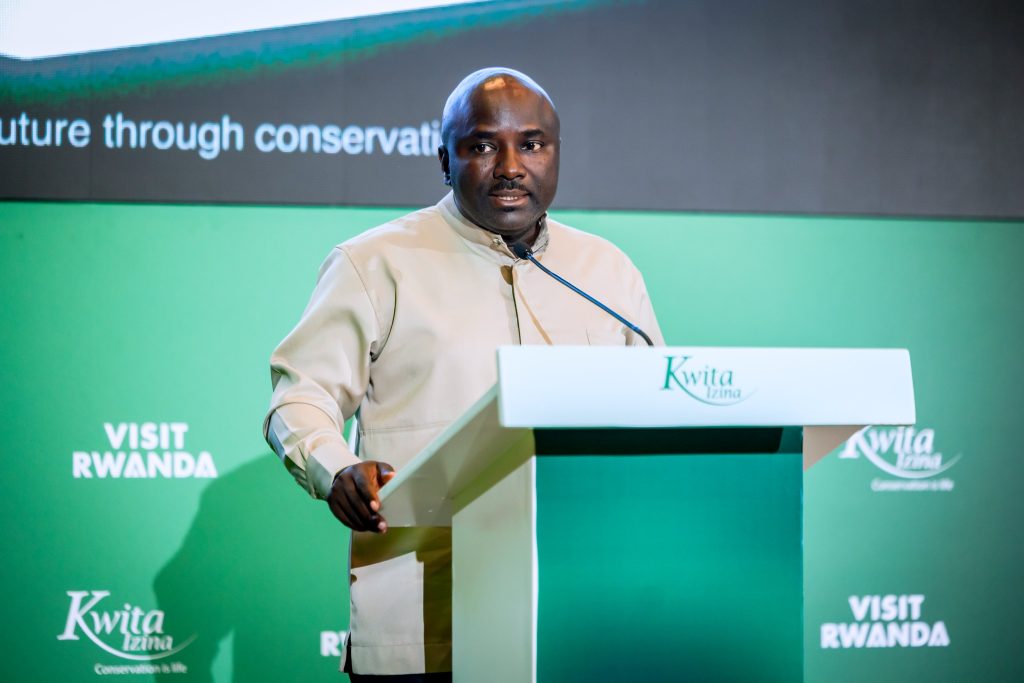
“We have been able to construct new hotels, we have restaurants, and even handicrafts, people working and making baskets, making other forms of handicrafts,” he said.
Mugabowagahunde says communities are increasingly prepared to take advantage of the opportunities created by tourism and events such as Kwita Izina.
“Everyone is benefiting directly from the day, but also in the long term. So people are now ready,” he said.
He is also encouraging visitors to spend more time in the region rather than travelling in only for the ceremony.
“People can come even a week before or even stay longer. They are always welcome,” he said.
The wider Kwita Izina ecosystem has generated more than US$30 million, with funds reinvested into community development and conservation initiatives.
For Rwanda, therefore, Kwita Izina represents far more than the naming of 22 baby gorillas. It has become a platform through which the country showcases a model that connects wildlife protection with tourism, community development and economic opportunity.
The underlying idea is that conservation becomes more sustainable when the people living closest to protected areas can see and experience its benefits. In Rwanda’s case, the gorillas are not only a symbol of successful conservation; they are also becoming part of a broader economic story about how protecting nature can create opportunities for the communities that live alongside it.