For many women seeking political leadership across Africa, the challenge is not a lack of ability or ambition, but barriers that continue to limit their participation and influence.
From the high cost of political campaigns to limited access to networks, resources and decision-making spaces, women leaders say these obstacles continue to shape who gets into politics and who rises to the highest levels of leadership.
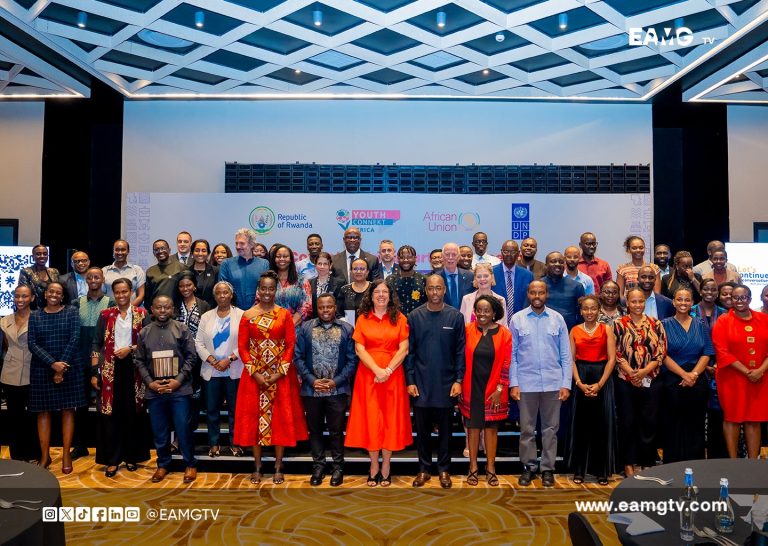
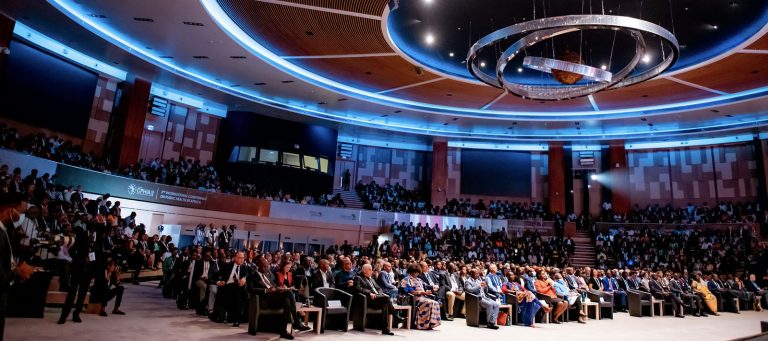
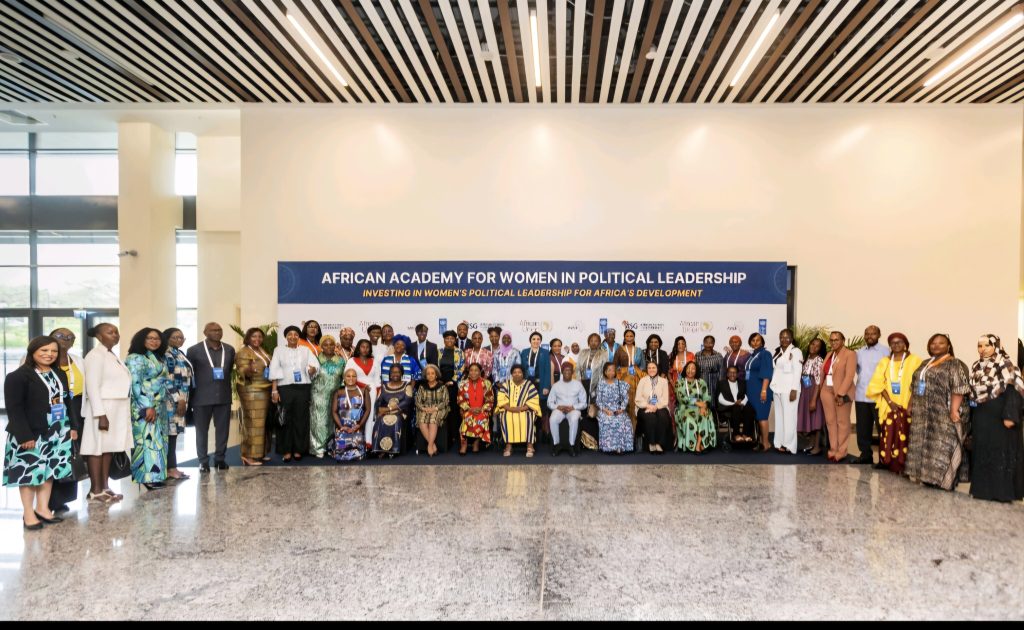
It is against this backdrop that the African Academy for Women in Political Leadership has been launched in Kigali, Rwanda, bringing together 40 women leaders from 28 countries for a programme aimed at strengthening their capacity to govern, legislate and lead effectively.
The fully funded four-week programme seeks to move beyond merely increasing the number of women in political positions by equipping leaders with practical skills, networks and experience to navigate political systems and deliver better governance.
The inaugural cohort includes ministers, speakers of parliament, members of parliament, senators, mayors, governors and political party leaders from Africa and the Caribbean. The programme is designed to be intergenerational and inclusive, bringing together experienced women statespersons, emerging leaders and women leaders with disabilities.
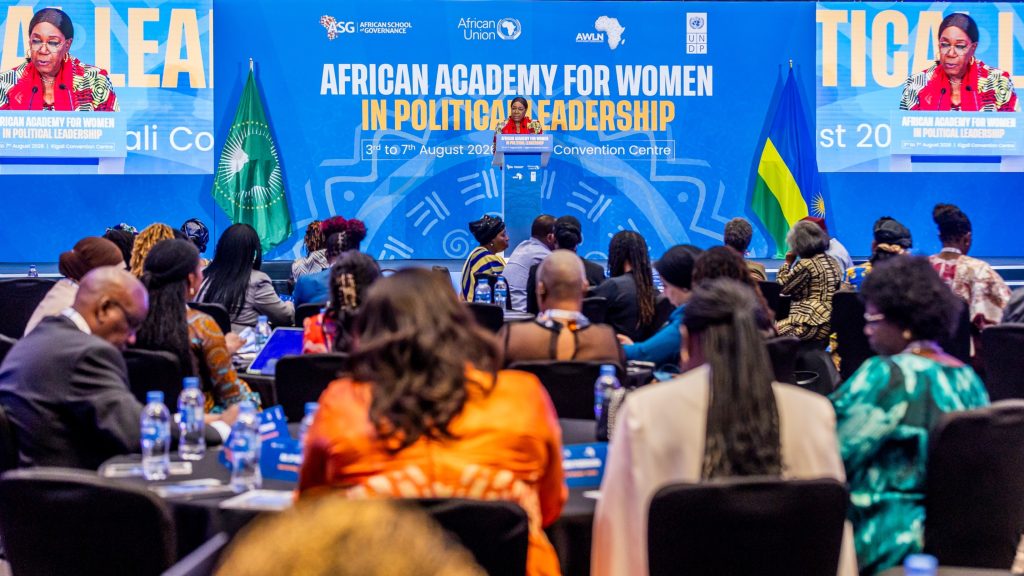
It combines virtual learning with a residential convening in Kigali and is hosted by the African School of Governance (ASG) under the Africa Facility for Women in Political Leadership, in partnership with the African Union Commission, United Nations Development Programme (UNDP), and the African Women Leaders Network (AWLN).
Speaking at the launch, women leaders highlighted campaign financing and social attitudes as some of the biggest challenges facing women in politics. They said women often face additional scrutiny compared to men, with their leadership styles, decisions and personal lives subjected to greater judgment.
The African Union says addressing these barriers is critical to Africa’s democratic future.
AU Commissioner for Political Affairs, Peace and Security, Ambassador Bankole Adeoye, said women’s leadership is essential for strengthening institutions, advancing peace and security, and achieving the goals of Agenda 2063.
“Africa’s aspirations under Agenda 2063, the Africa we want, will only be realized if we fully embrace and harness the leadership, the talent, and the innovation of all people, particularly women,” Adeoye said.
Former Ethiopian President Sahle-Work Zewde said the Academy represents a new approach to preparing women leaders by focusing on values, experience, and the ability to serve communities.
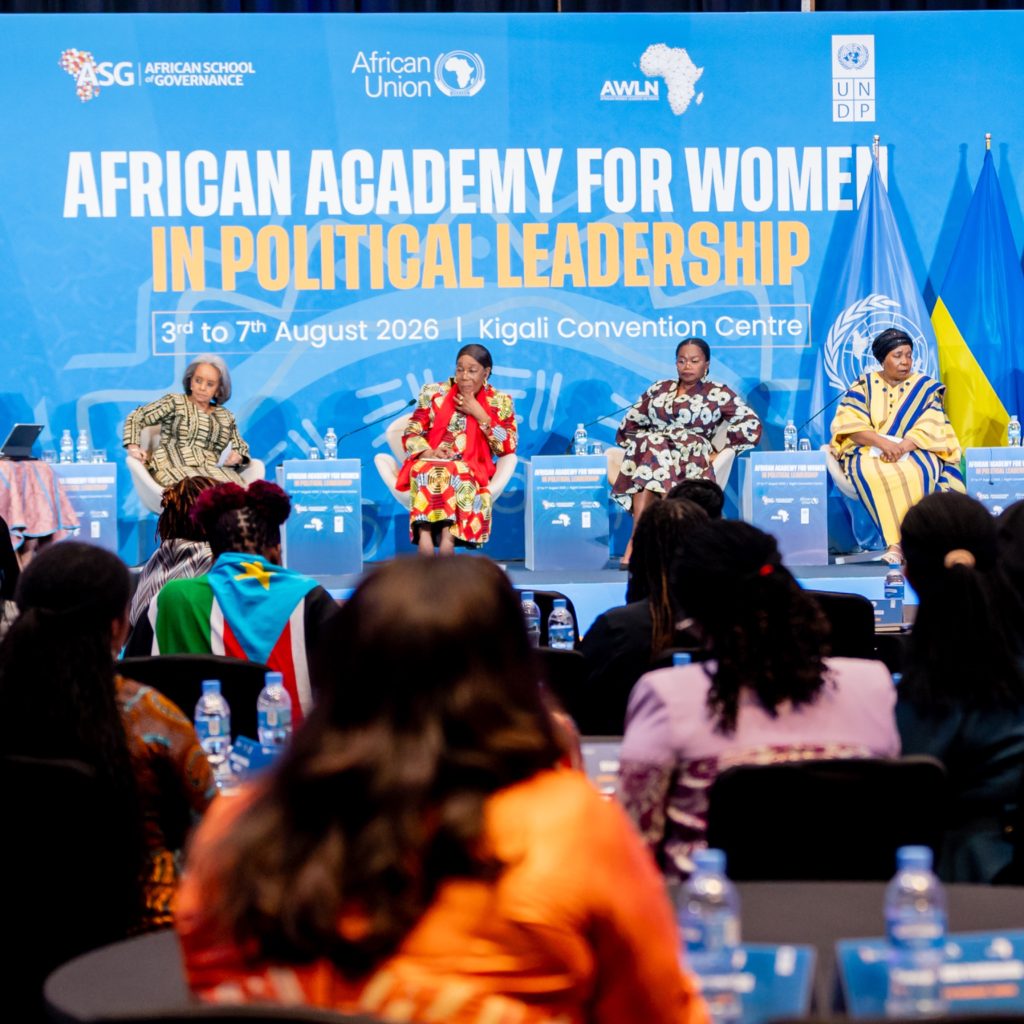
“Leadership is never simply about occupying an office or a high office. It is about judgment, about integrity, humility, and the ability to bring people together in moments,” she said.
Co-convener of the African Women Leaders Network, Bineta Diop on her end described the initiative as a move from advocacy to action.
“For years, we have advocated for women leadership. Today, we move decisively from advocacy to implementation,” Diop said.
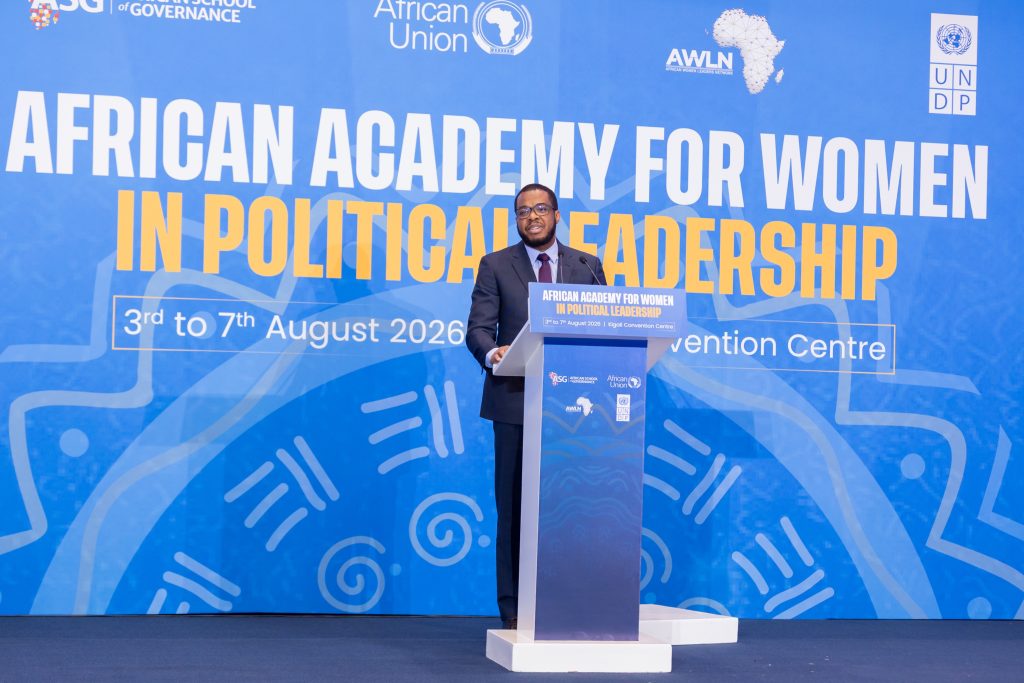
Dr. Gide Okeke, Director of the Regional Programme for Africa at UNDP, said the goal was to create a space where leaders learn from each other’s successes and challenges. He added that the Academy was intentionally designed to be more than a classroom, providing a platform for women leaders to share practical experiences, lessons, and insights from their political journeys.
“Build an Academy, but don’t make it academic,” Okeke said.
The inaugural cohort includes women from 28 African countries and the Caribbean, with 40 percent of participants aged between 35 and 45. At least 60 percent come from countries expected to hold elections within the next three years.
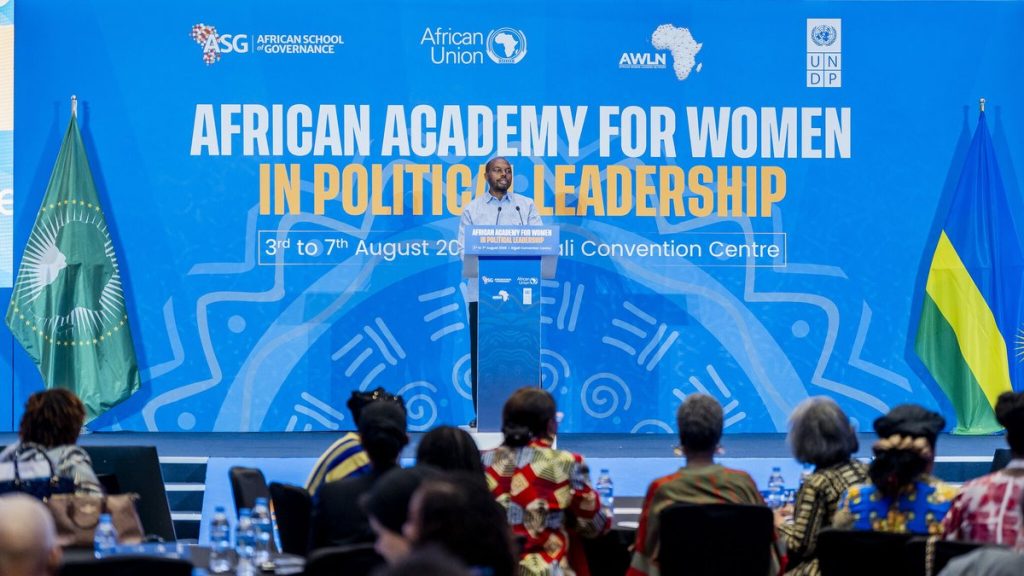
The President of the African School of Governance, Francis Gatare, said the Academy will help create a lasting support network among women leaders.
“Participating in this academy is an opportunity to network with each other, to learn from each other, and actually to teach each other,” Gatare said.
As the first cohort begins its training in Kigali, organisers hope the programme will help create a new generation of women leaders who are not only represented in political spaces but have the confidence, skills and influence to shape Africa’s future.