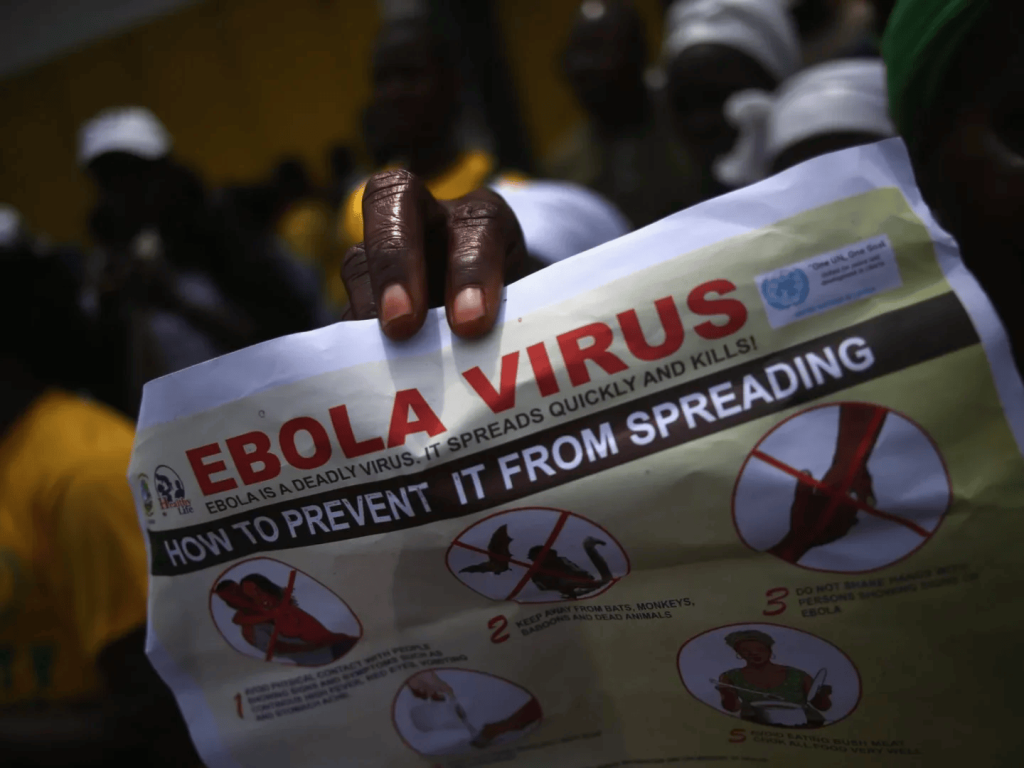
Uganda’s Ministry of Health has issued a fresh advisory to male Ebola survivors, warning that although they may have recovered from the disease, they can still transmit the virus through sexual contact for at least six months after recovery.
The advisory comes as Uganda continues to make progress in containing the ongoing outbreak, with health authorities reporting 20 confirmed cases, 15 recoveries, and two deaths as of June 25.
According to the Ministry, the virus can persist in the semen of male survivors long after they have been discharged from the hospital, posing a risk of infecting sexual partners despite no longer showing symptoms.
“Male survivors: Ebola virus can remain in semen for at least six months after recovery,” the Ministry said in a public health advisory.
Health officials are urging male Ebola survivors to strictly adhere to medical advice by using condoms correctly and consistently during sexual activity or abstaining from sex for at least six months after recovery to prevent transmitting the virus to their partners. The Ministry emphasized that recovering from Ebola is a significant milestone but cautioned that survivor care extends beyond hospital discharge.
“Your recovery is a sign of strength and hope,” the advisory says, while reminding survivors to continue observing preventive measures and remain in contact with health workers.
Why the Virus Can Persist
Although patients are declared free of Ebola once the virus is no longer detectable in their bloodstream, scientists say it can remain in immune-privileged sites; areas of the body where the immune system has limited access such as the testes, eyes and central nervous system.
The World Health Organization advises male Ebola survivors to practise safer sex until their semen tests negative for Ebola virus twice. Where testing is unavailable, WHO recommends consistent condom use and safer sexual practices for at least 12 months after recovery or until testing confirms the virus has cleared.
Sexual transmission of Ebola, though uncommon, has been documented in previous outbreaks and has, in some instances, been linked to flare-ups after outbreaks were believed to be under control. During the 2014 to 2016 West Africa epidemic, researchers traced several new Ebola infections to sexual contact with male survivors months after their recovery, prompting changes in global survivor care guidelines.
Scientists say Ebola belongs to a growing list of zoonotic diseases infections that originate in animals but can also spread between humans through sexual contact under certain circumstances.
While Ebola is primarily transmitted through direct contact with the blood or other bodily fluids of a person who is ill or has died from the disease, semen has emerged as an important route of transmission during the recovery phase.