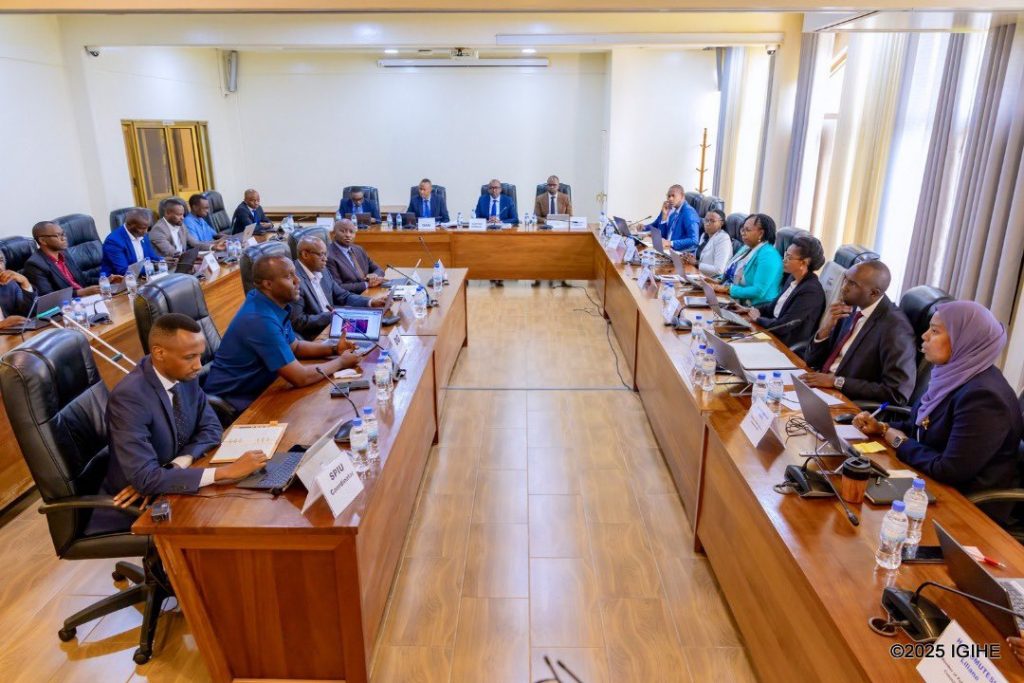
Rwanda’s Parliament has launched a series of public accountability hearings targeting 76 government institutions, projects, and public entities cited in the latest Auditor General’s report for weaknesses in financial and asset management.
The hearings, organized by the Public Accounts Committee (PAC) of the Chamber of Deputies, will run from June 25 to July 10, 2026. Officials from the selected institutions will be required to explain deficiencies identified in the Auditor General’s report covering the fiscal year that ended on June 30, 2025.
According to Parliament, the hearings are aimed at strengthening transparency, accountability, and the efficient use of public resources.
“Our primary objective is to ensure that every public penny is utilized for its intended purpose, expended promptly, and managed without wastage,” PAC Chairperson Valens Muhakwa said in a statement.
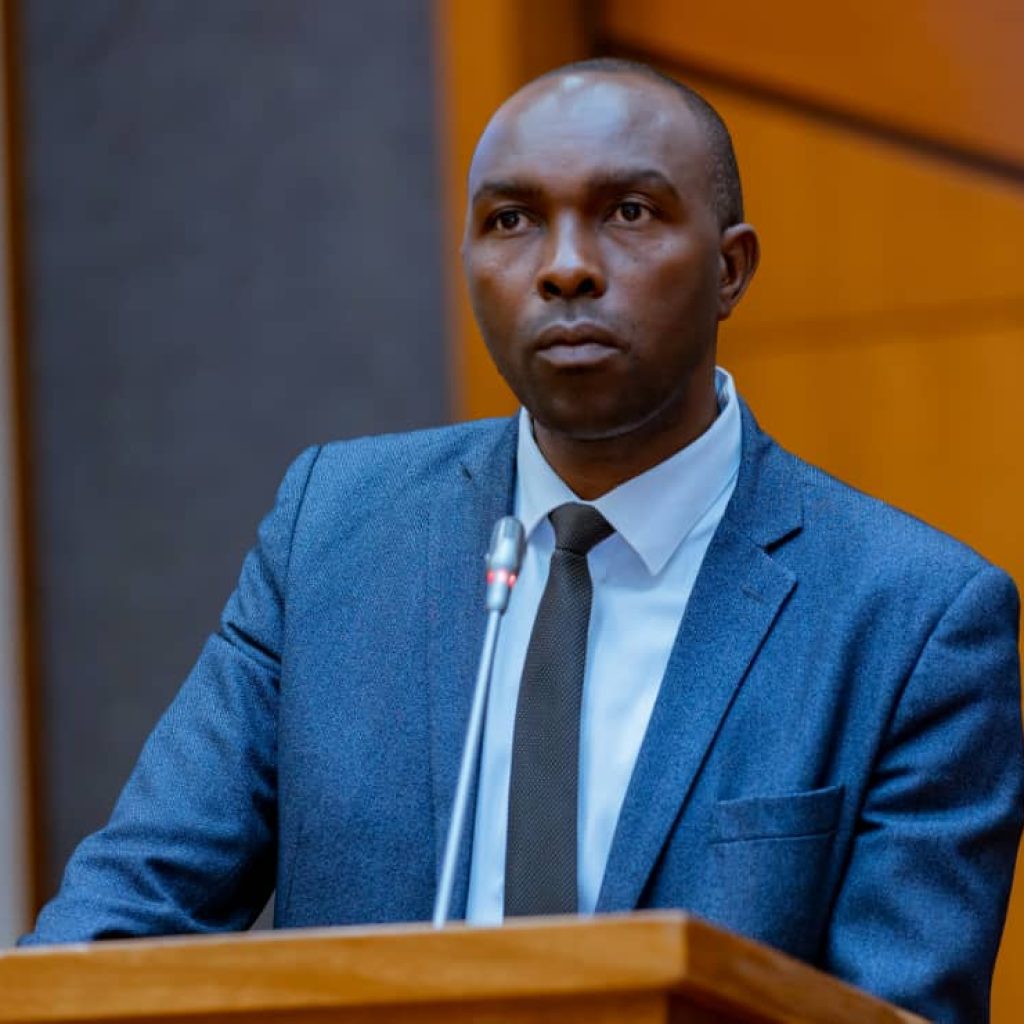
“Public hearings are not solely intended to point out mistakes; they also provide an opportunity for public institutions to show corrective measures they intend to undertake to address identified deficiencies and enhance performance, towards promoting the efficient management of public resources for the benefit of Rwandans,” he added.
The institutions selected for scrutiny were identified using a set of risk-based criteria drawn from the Auditor General’s findings.
These include entities that received adverse audit opinions on financial statements, compliance, or value-for-money assessments, as well as organizations issued qualified opinions in performance audits evaluating whether public funds achieved intended results.
Parliament will also question institutions that implemented less than 80 percent of recommendations made in previous Auditor General reports, particularly where unresolved issues were considered significant. Additional attention will be given to entities that underwent comprehensive performance audits, special audits, or information technology system audits.
The Auditor General’s annual report is a key oversight tool in Rwanda’s public finance management framework, highlighting weaknesses in expenditure controls, procurement practices, project implementation, revenue collection, and asset management across public institutions.
PAC hearings are conducted publicly and are often closely followed by citizens, civil society organizations, and development partners as a measure of government accountability. The committee has increasingly emphasized follow-up actions to ensure that recommendations from audits are implemented and recurring weaknesses addressed.
The upcoming hearings are expected to provide insight into how affected institutions plan to resolve identified shortcomings and improve stewardship of public funds, as Rwanda continues efforts to strengthen public sector governance and financial management.
The hearings will conclude on July 10, after which the PAC is expected to issue observations and recommendations based on the testimonies and evidence presented by the institutions concerned.