

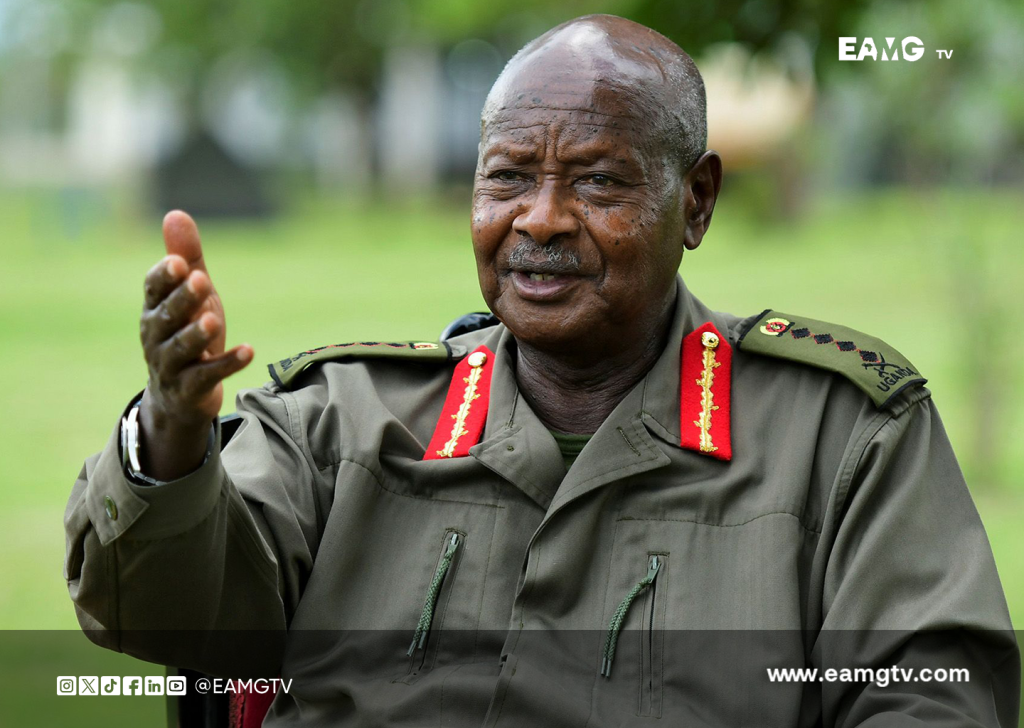
Yoweri Kaguta Museveni on Tuesday evening announced a new lineup of senior government officials nominated to serve in Uganda’s cabinet through 2031, retaining several key figures while introducing new appointments across major ministries.
The appointments cover the positions of Vice President, Prime Minister, Cabinet Ministers, Ministers of State, and Senior Presidential Advisors, shaping the administration expected to steer Uganda through the next five years.
Among the top positions retained are Jessica Rose Epel Alupo as Vice President and Robinah Nabbanja as Prime Minister and Leader of Government Business in Parliament.
Former Speaker of Parliament Rebecca Kadaga was named 1st Deputy Prime Minister and Minister for East African Community Affairs, while veteran politician Crispus Walter Kiyonga was appointed 2nd Deputy Prime Minister.
The cabinet also sees First Lady Janet Kataaha Museveni maintaining her position as Minister of Education and Sports, while Henry Musasizi takes charge of the Ministry of Finance, Planning and Economic Development.
Diplomat Adonia Ayebare was appointed Minister of Foreign Affairs, replacing previous leadership at a time when Uganda continues to deepen regional and international engagements.
In the security sector, Kiryowa Kiwanuka was named Minister of Defence and Veterans Affairs, while Jim Muhwezi retained a key role in the Office of the President in charge of Security.
The health and ICT sectors also registered notable appointments, with Chris Baryomunsi named Minister of Health and Jane Ruth Aceng appointed Minister of Information, Communications Technology and National Guidance.
Several high-profile figures were also assigned strategic ministries, including Tom Butime at Tourism, Wildlife and Antiquities, Monica Musenero at Energy and Mineral Development, and businessman Sanjay Tanna at Trade, Industry and Cooperatives.
The list further included dozens of Ministers of State across sectors such as agriculture, health, internal affairs, education, environment, and regional development, signaling the administration’s focus on service delivery, economic transformation, infrastructure, and regional integration.


