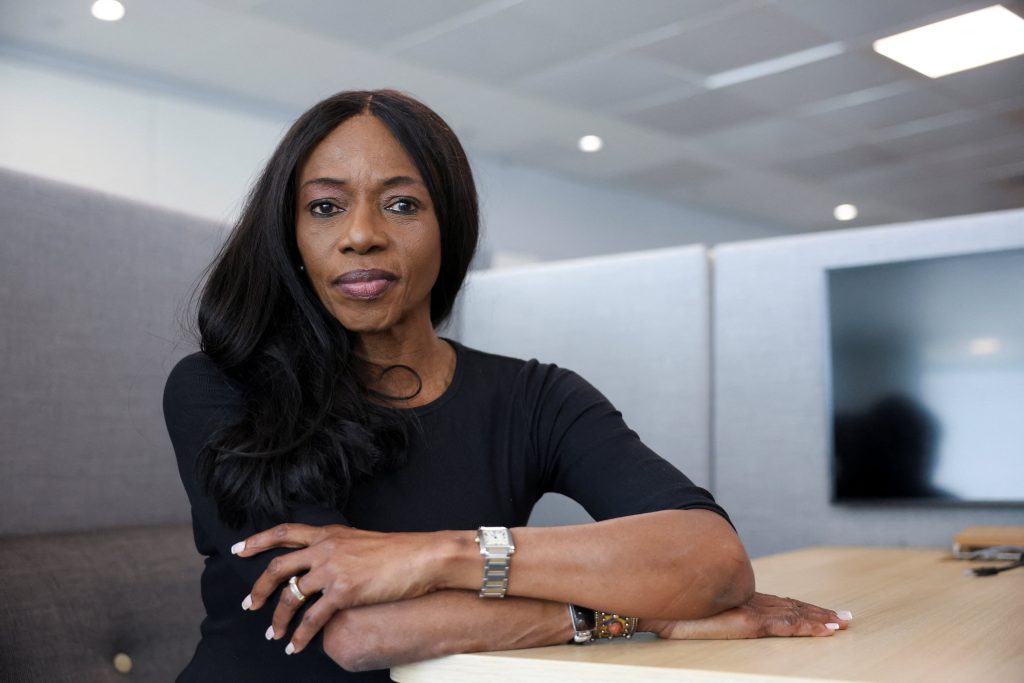
Africa must turn the growing popularity of women’s football into sustained investment, stronger institutions and greater opportunities for female players, according to football leader Isha Johansen.
In an opinion article following the TotalEnergies CAF Women’s Africa Cup of Nations, Johansen argues that the tournament should be a starting point for long-term progress rather than an isolated sporting success.
Global revenues from women’s sports are expected to reach at least $3 billion in 2026, a 340% increase over four years, highlighting the commercial potential of a sector that has historically received limited investment.
African women’s football has made progress, including increased prize money for the Women’s Africa Cup of Nations and new commercial partnerships in domestic leagues. The tournament also recorded a reported 40% rise in television and sponsorship revenues, with matches broadcast across more than 100 channels.
However, Johansen says the continent continues to face major challenges, including limited domestic broadcasting revenue, unequal pay, underrepresentation of women in sports leadership and the departure of top players to leagues in Europe and the United States.
She calls on governments, football associations and private investors to strengthen grassroots development, improve training facilities, expand mentorship programmes and create pathways for women into coaching and administration.
Johansen also highlights the role of digital platforms, women-led sports content and partnerships between the public and private sectors in widening audiences and creating new commercial opportunities.
She points to initiatives such as Tibu Africa, which uses sport to empower young people, as examples of how football can support broader social development.
Johansen argues that sustained investment in women’s football could generate jobs, boost tourism and strengthen communities. The challenge, she says, is ensuring that the momentum generated by major tournaments translates into lasting opportunities for African women and girls.