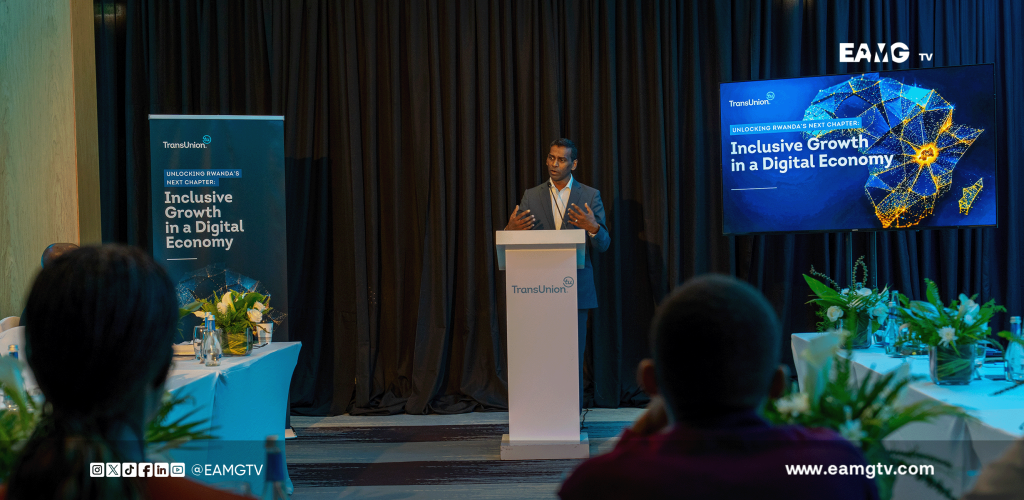
Most Rwandans are optimistic that their financial situation will improve over the coming year, but many believe limited access to affordable credit continues to stand in the way of achieving their long-term financial goals, according to a new study by global information and insights company TransUnion.
The Q1 2026 TransUnion Consumer Pulse Study found that 76% of Rwandans expect their income to increase over the next 12 months, while another 16% expect their earnings to remain stable. The findings reflect growing confidence in Rwanda’s economy as the country continues expanding digital financial services and formal financial inclusion.
However, the survey also highlights a significant gap between financial optimism and access to financing.
While 98% of respondents said access to credit and lending products is important to achieving their financial goals, only 42% believe they currently have adequate access to the financial products they need.
For many consumers, access to credit is seen as a pathway to starting or expanding a business, financing higher education, purchasing assets, or managing unexpected expenses.
“Rwanda has made remarkable progress in expanding financial inclusion and digital participation,” said Didier Mutabazi, Chief Executive Officer of TransUnion Rwanda.
“Financial inclusion is not a single milestone—it is a journey. The next step is helping more consumers move from basic financial access to the products and opportunities that support entrepreneurship, asset ownership and long-term financial resilience.”

The report suggests Rwanda is entering a new phase of financial inclusion. While more people now have access to banking and digital payment services, consumers are increasingly seeking financial products that can help them build wealth and improve their quality of life.
The study found that personal loans and student loans are among the most in-demand financial products, highlighting consumers’ desire to invest in education, businesses, and future earning potential.
Despite the positive outlook, many households continue to face financial pressures.
Half of those surveyed said they expect they may be unable to fully pay at least one current bill or loan over the coming months. Many said they would cope by making partial payments, relying on savings, or taking on temporary additional work.
Meanwhile, 34% of respondents reported cutting back on discretionary spending in recent months, although many continue to prioritize spending on digital services and other essential needs, an indication that households are carefully managing their finances rather than losing confidence in the economy.
Mutabazi said the findings present an opportunity for financial institutions, policymakers, and the private sector to strengthen Rwanda’s financial ecosystem.
“Consumers understand the value of credit and are actively looking for ways to improve their financial futures,” he said. “This creates a new agenda for the ecosystem one focused on improving credit visibility, strengthening digital trust, enabling smarter decision-making, and building the partnerships required to scale inclusive growth responsibly.”
The study also underscores the growing importance of trust in Rwanda’s increasingly digital economy. As more financial services move online, consumers must have confidence that their personal information is protected and that financial products are transparent, accessible, and responsibly managed.
TransUnion says expanding responsible lending, improving credit information systems, and increasing financial literacy will be critical to helping more Rwandans participate fully in the country’s economic growth.
Headquartered in the United States and listed on the New York Stock Exchange, TransUnion operates in more than 30 countries, including Rwanda. The company provides credit information, identity verification, fraud prevention, risk management, and data analytics that help businesses make informed lending decisions while enabling consumers to build and strengthen their financial profiles.
The TransUnion Consumer Pulse Study surveyed 259 Rwandan adults between 10 February and 9 March 2026, providing insights into consumer confidence, spending habits, borrowing needs, and financial well-being.
The findings suggest that while Rwandans are increasingly optimistic about their economic future, expanding access to responsible credit could play a key role in turning that optimism into lasting financial opportunity for households and businesses alike.