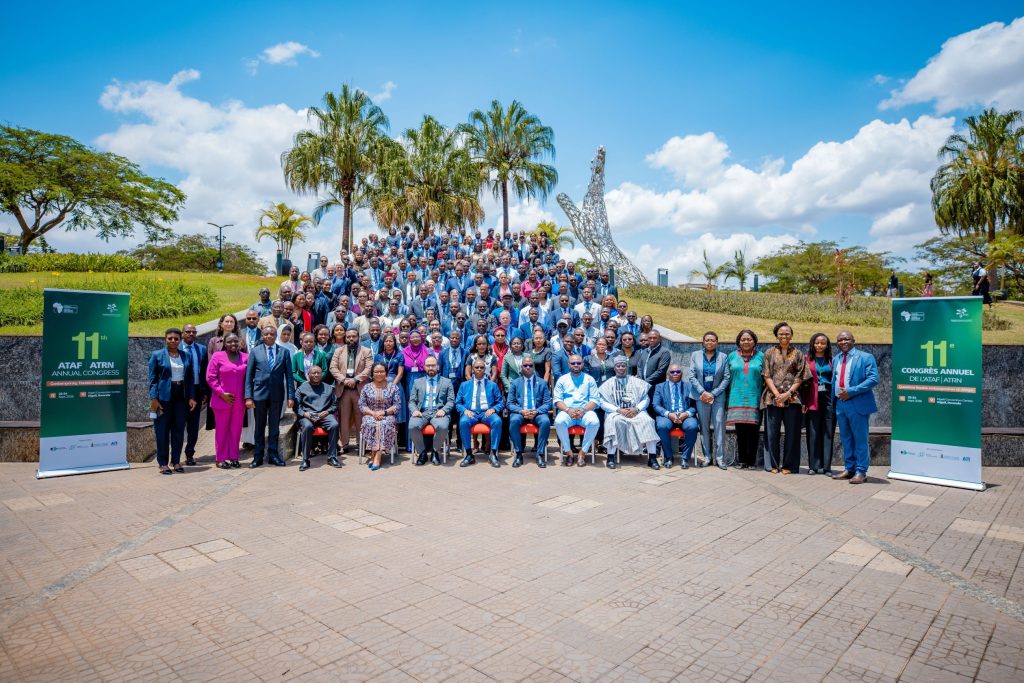
Tax researchers, administrators, policymakers and development partners from across Africa are meeting in Kigali for the 11th African Tax Research Network (ATRN) Annual Congress, focused on strengthening research and evidence in the development of African tax systems.
The three-day congress, running from September 22–24, 2026, is being convened by the African Tax Administration Forum (ATAF) in partnership with the Rwanda Revenue Authority (RRA) at the Kigali Convention Centre.
Held under the theme “Contemporary Taxation Issues in Africa,” the congress is examining emerging tax challenges and exploring research-based approaches that can inform tax policy and administrative reforms.
Speaking at the event, Ronald Niwenshuti, Commissioner General of RRA, said Rwanda was honoured to host researchers and tax experts from across the continent.
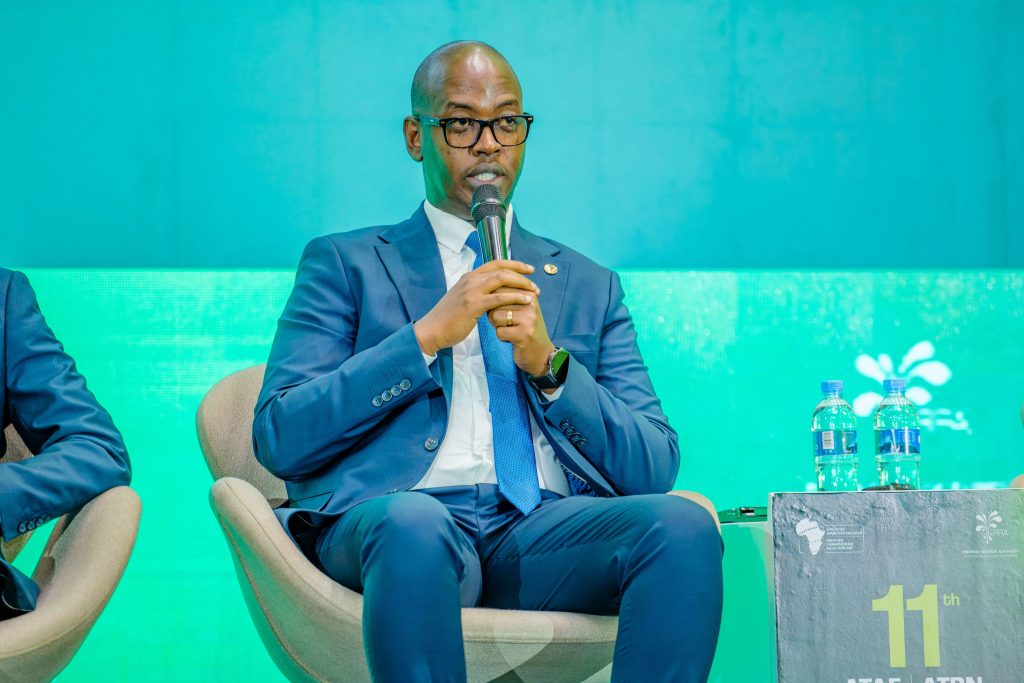
He also highlighted Rwanda Revenue Authority’s recent performance, saying the institution exceeded its revenue target by 104.2%, with 27.7% year-on-year growth in the fiscal year that ended in June.
Niwenshuti attributed the performance to economic growth, stronger VAT collection, expanded digital services, improved recovery measures and tax policies, describing the results as reflecting increased compliance, greater use of data and engagement with taxpayers.
Professor Annet Oguttu, Chairperson of the ATRN Advisory Board, said the network’s expansion reflected growing demand for African tax research that can directly inform policy.
She noted that ATRN had evolved from an initiative aimed at connecting African researchers and tax administrations into a broader continental research network, with its 11th Congress bringing together a wider community and an increasingly diverse range of research on African tax systems.
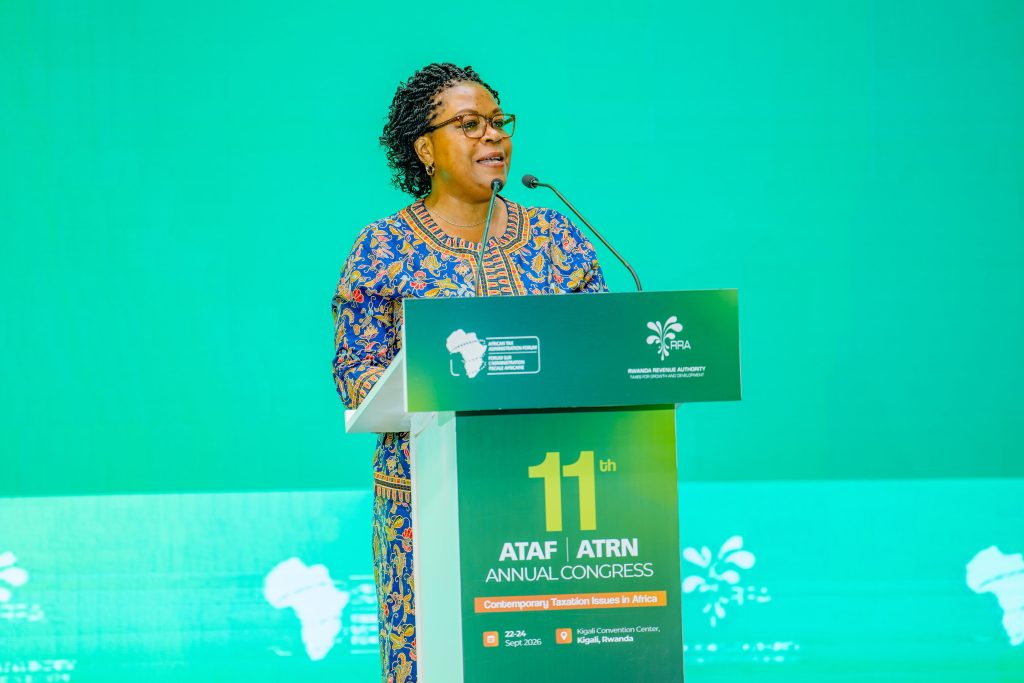
Emeka Nwankwo, ATAF’s Head of Domestic Tax and Capacity Enhancement, said the network was helping strengthen the relationship between research, policymaking and tax administration.
“Through the ATRN, we are strengthening the connection between researchers, policymakers and tax administrations so that contextual evidence can inform African solutions.”
He said the congress provides an opportunity for research to move beyond academic discussion and contribute to tax reforms responding to the specific economic and institutional realities of African countries.
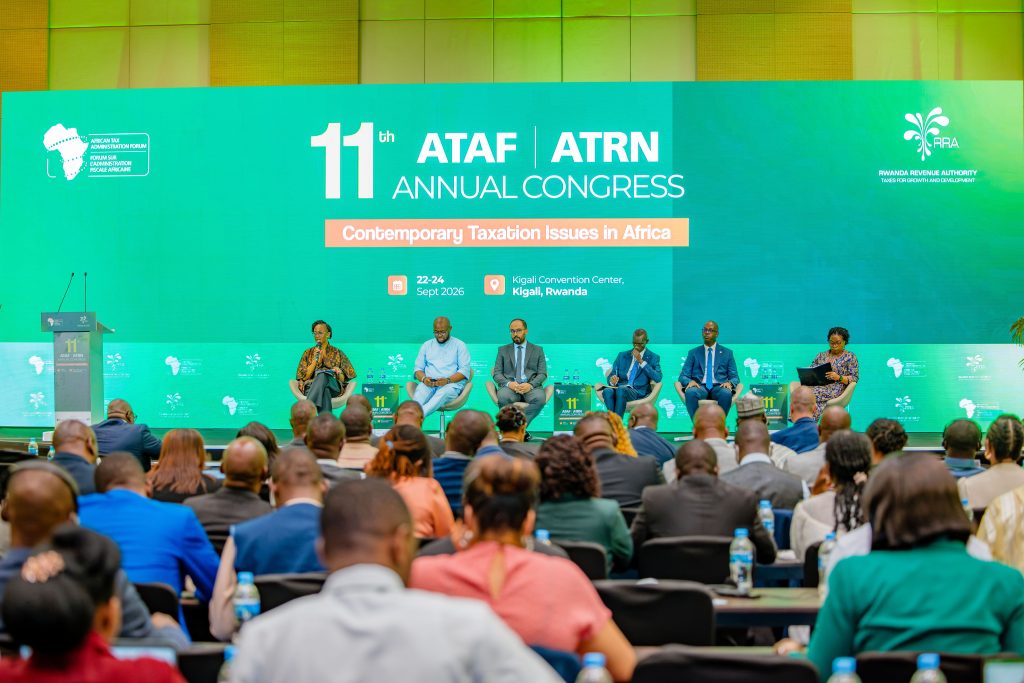
The discussions in Kigali are expected to focus on emerging taxation issues while creating opportunities for researchers, governments and tax administrations to exchange evidence, identify policy gaps and explore approaches suited to African economies.
The congress runs through September 24, with participants expected to use the research presented and discussions held to strengthen the role of evidence in future tax policy and administration across the continent.