Rwanda stands at the threshold of a remarkable economic opportunity — not in its mineral deposits or industrial zones, but in the everyday workrooms and market stalls of rural young women. With the financing they have long been denied, their enterprises could help shape the next chapter of national prosperity.
This opportunity is not hypothetical. It is lived every day in Rwanda’s districts — in tailoring shops, farms, markets, kitchens, workshops, and cooperatives where young women are building value with limited resources but limitless drive.
Yet despite the country’s 96% financial inclusion, rural young women remain the least able to access credit. Their stories reveal not only the barriers but also the extraordinary potential waiting to be unleashed.
Behind the Numbers: The Human Reality
The FinScope 2024 survey confirms progress in access- 96% financial inclusion and strong mobile money adoption. But access to credit — the fuel for business growth — remains structurally constrained.
For young rural women, these constraints appear as:
- Collateral requirements they cannot meet
- High interest rates
- Complex processes and paperwork
- Limited financial literacy
- Products that do not fit their realities (seasonal income, maternity needs, disability inclusion)
- Biases linked to age, location, gender, or refugee status
The following voices — from across Rwanda — show exactly what is at stake.
“Sometimes we don’t even know the loans exist.” — Ange Marie Nirere, Kayonza
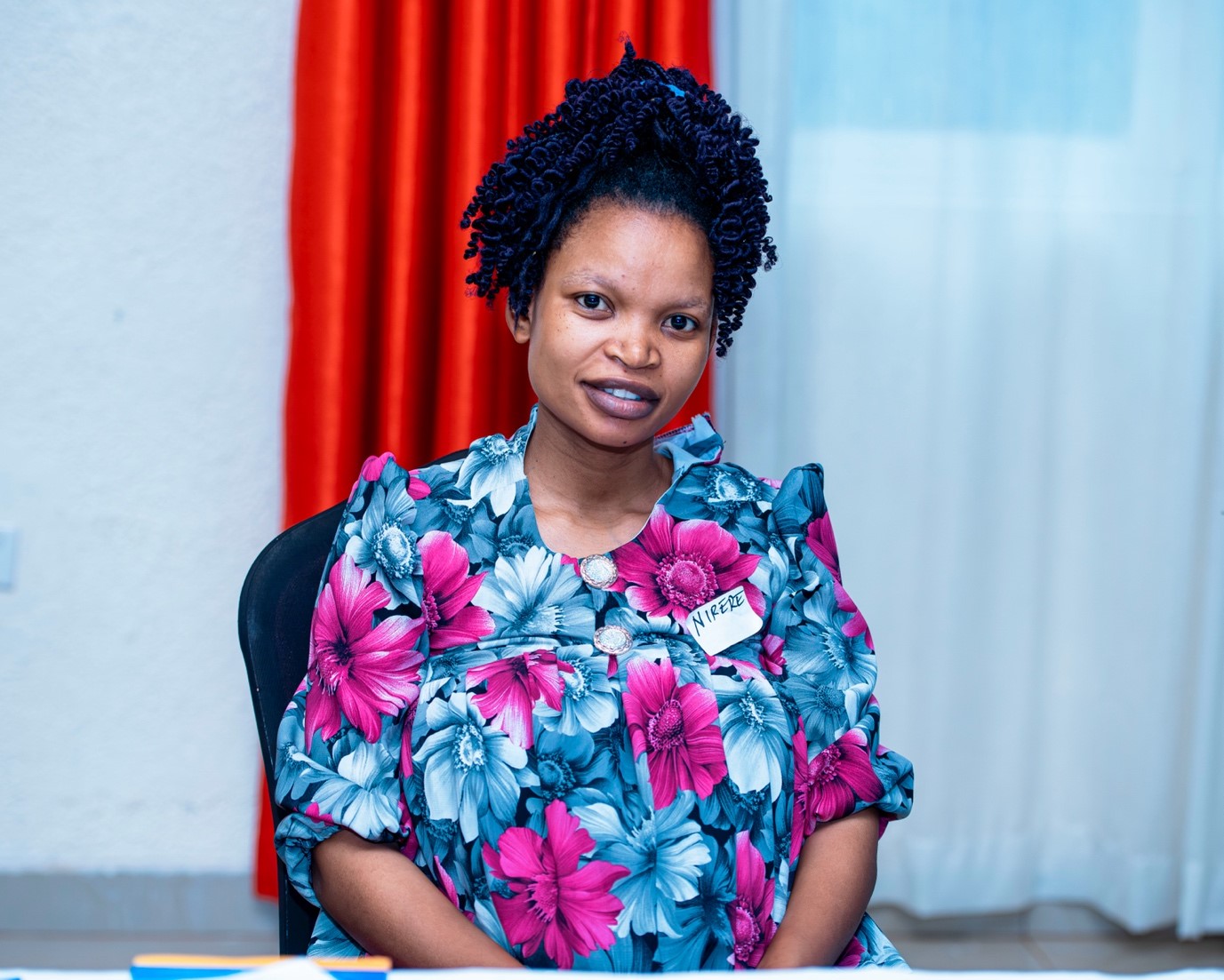
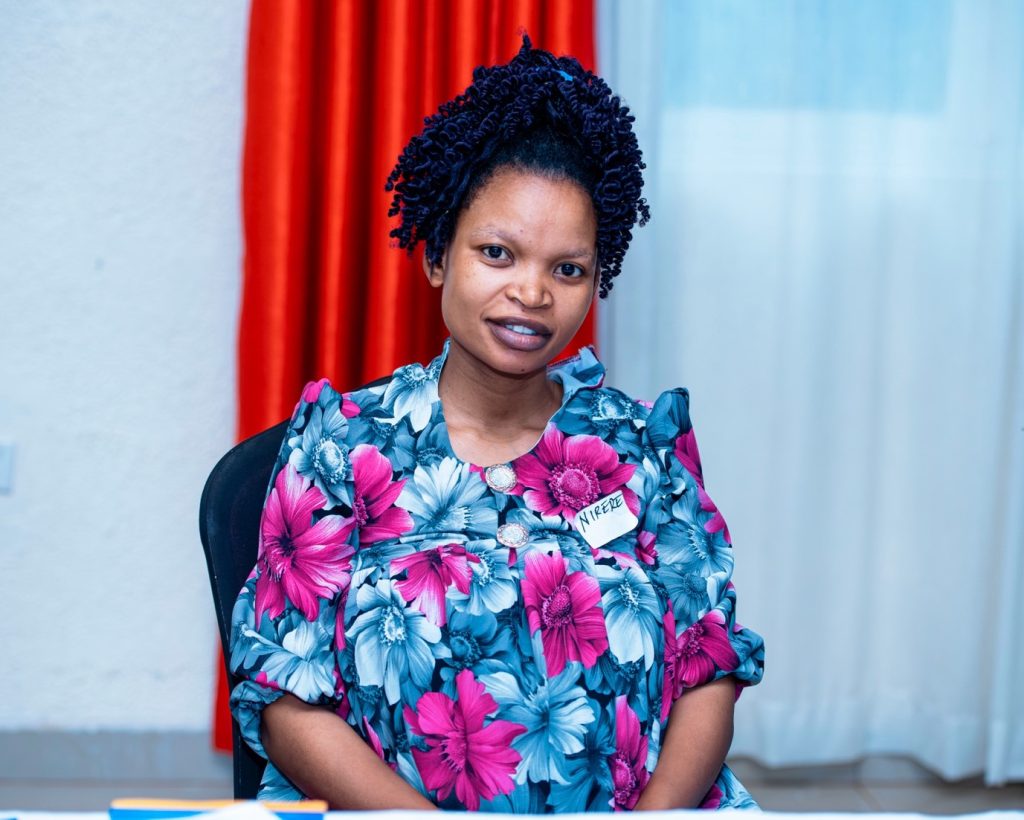
Ange Marie Nirere, a tissue fabric seller based in Kayonza. Photo by EAMG Studios
Ange Marie, a skilled tissue fabric producer and tailor with hearing and speech disabilities, represents both power and vulnerability in Rwanda’s rural economy.
“People like us with hearing and speech disabilities don’t have enough information. Sometimes we don’t even know these loans exist.”
Her business could expand immediately with basic equipment upgrades — yet the financial system rarely reaches women like her.
“They asked me for collateral… I didn’t have any.” — Laurence Ishimwe, Musanze
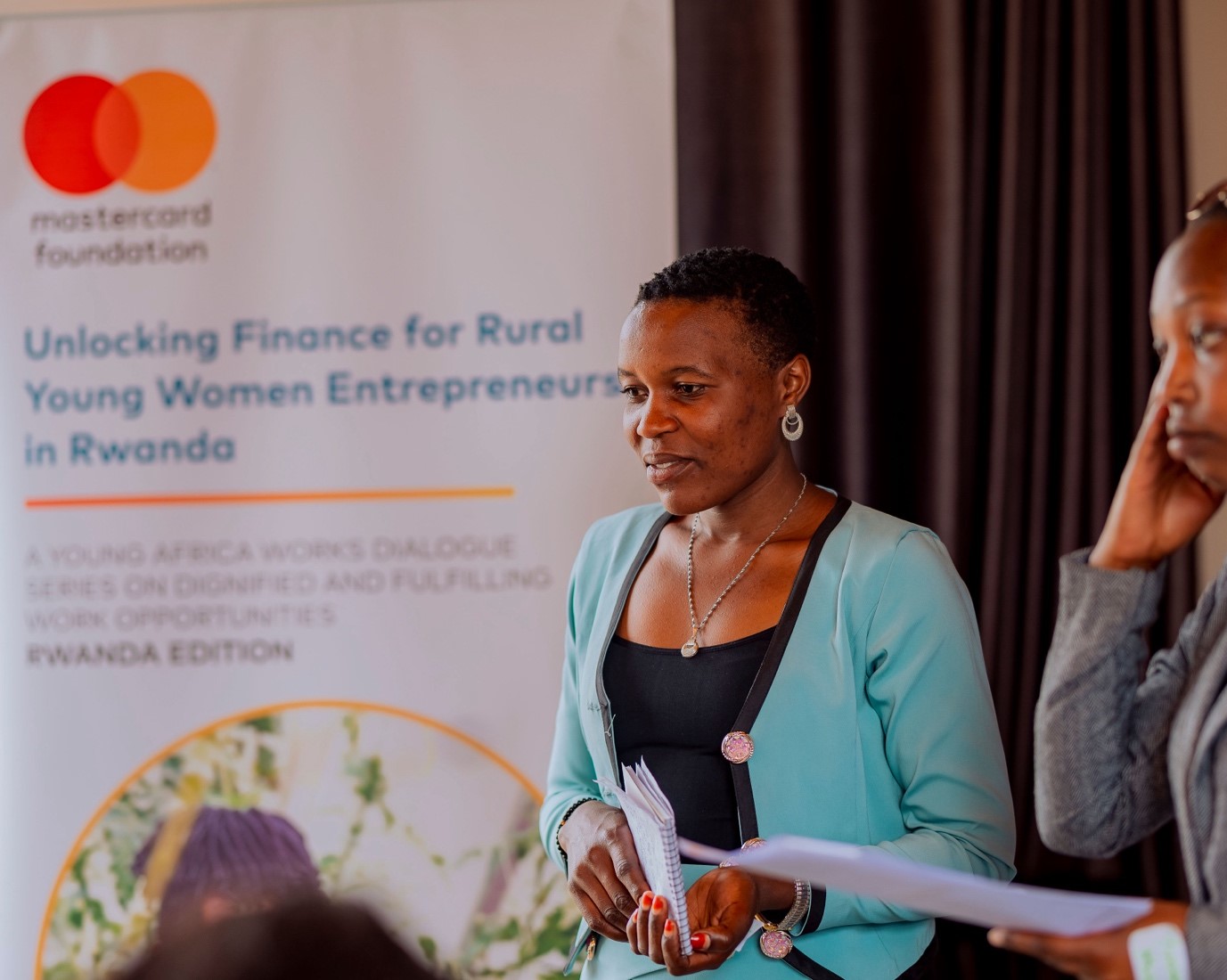
Laurence Ishimwe shares her thoughts at a past focus group discussion on unlocking finance for rural young women in Rwanda organised by Mastercard Foundation and partners. Photo by EAMG Studios.
Laurence creates bead and thread jewellery with strong market demand.
“They asked me for collateral… I didn’t have any. It discouraged me. I never used a bank loan. I use my own money.”
With as little as Rwf150,000–300,000, she could double her production. Multiply her story by thousands — and Rwanda’s GDP equation begins to shift.
“I couldn’t make the kind of business plan the bank wanted.” — Esther Kakuze, Rusizi
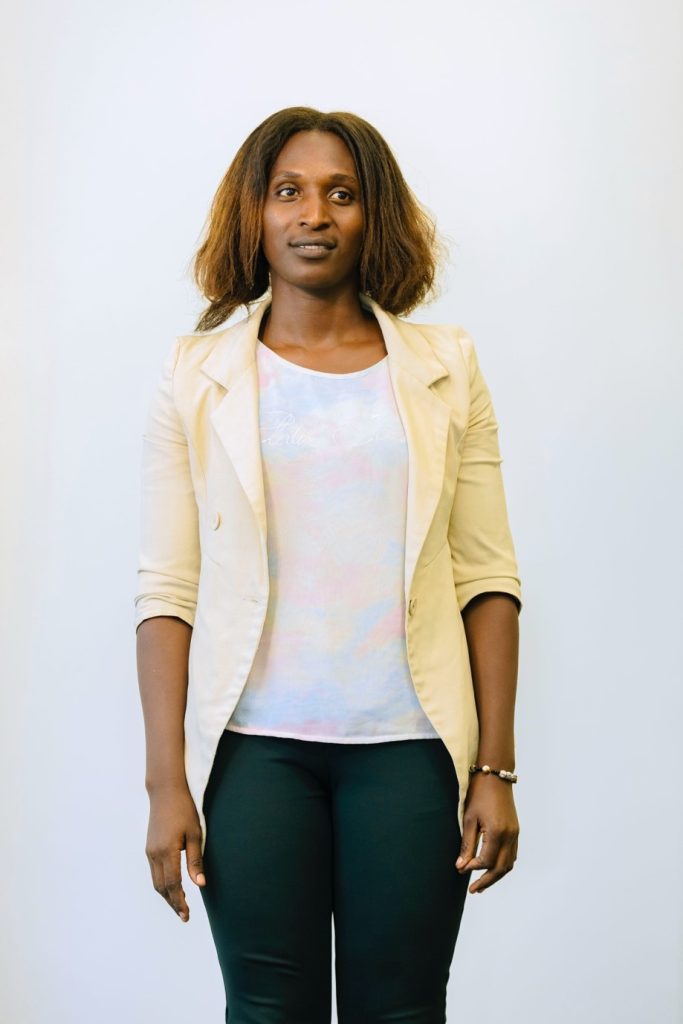
Esther Kakuze, an eco-tourism business owner in Rusizi. Photo by EAMG Studios.
Esther, who runs an eco-tourism business in Rusizi, highlights a systemic information gap:
“Sometimes a person doesn’t have enough knowledge to make a business plan the bank will approve. That kept me from getting a loan.”
Her story is a reminder: entrepreneurship is growing faster than the financial literacy systems meant to support it.
“We want financial institutions to have more trust in us as women entrepreneurs.” — Ishimwe Gloria, Huye
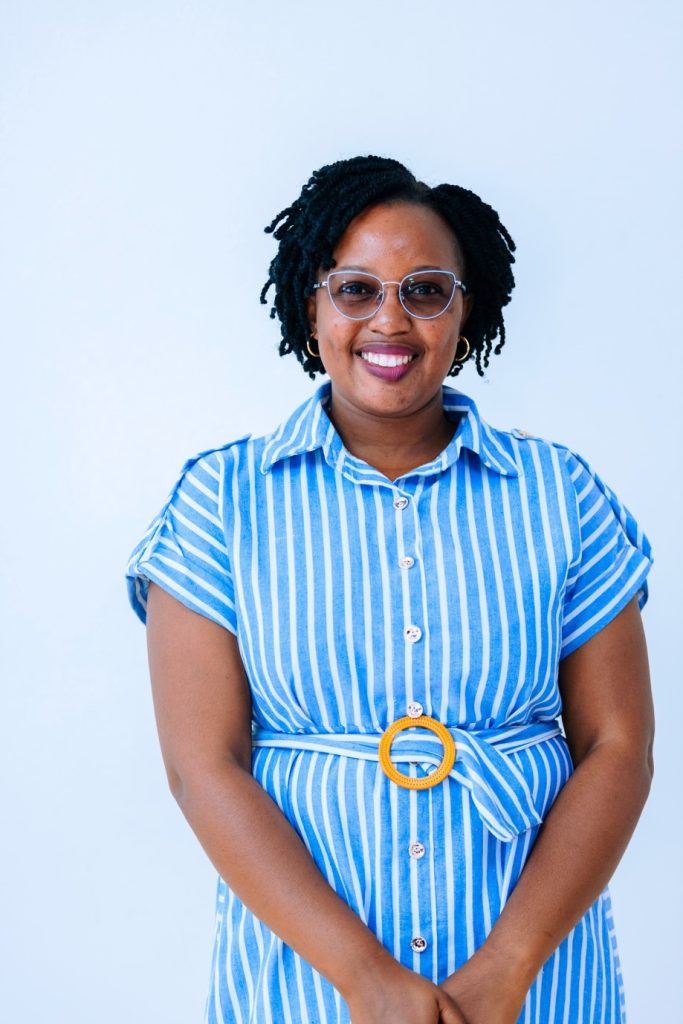
Food Vendor Gloria Ishimwe based in Huye. Photo by EAMG Studios.
Gloria runs a bakery and hospitality business that feeds her community.
“We want financial institutions to have more trust in us as women entrepreneurs.”
Trust is not an abstract value — it is the basis for unlocking affordable capital, flexible repayment, and long-term business stability.
“The challenges I faced in securing loans led to significant delays.” — Umuhoza Hyacentha, Poultry Farmer
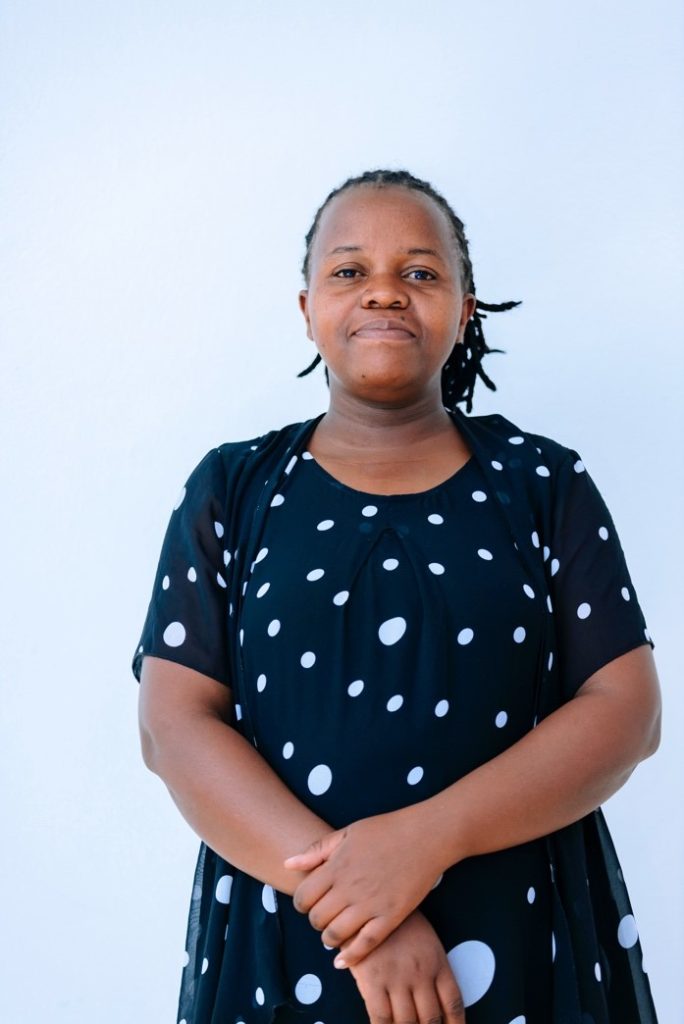
Poultry farmer Umuhoza Hyacentha. Photo by EAMG Studios.
Hyacentha’s poultry business is ready to grow, but her financing journey has been tough:
“The challenges I faced in securing loans from financial institutions led to significant delays in obtaining the necessary funding. Financial institutions would greatly benefit from supporting us by reducing interest rates.”
A simple adjustment — lower interest — could accelerate entire rural value chains.
“We need more networking events focused on financial literacy.” — Tuyishimire Janviere, Charcoal Briquette Producer
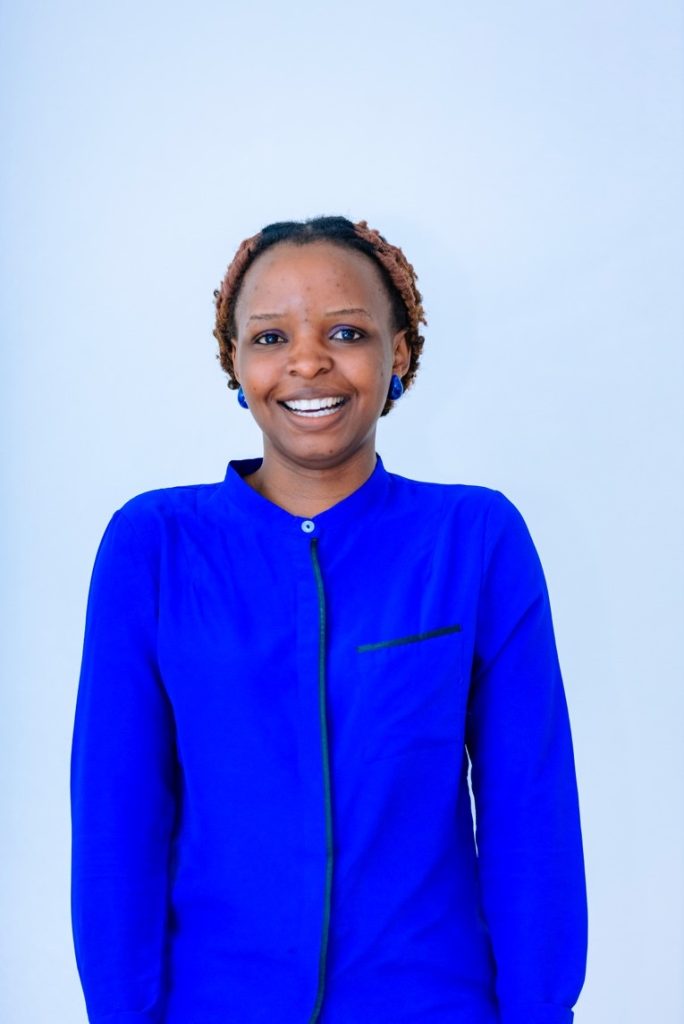
Charcoal Briquette Producer, Tuyishimire Janviere. Photo by EAMG Studios.
Janviere produces eco-friendly charcoal briquettes, a climate-smart alternative with rising demand.
“As youth, we need more networking events focused on financial literacy to help us develop a more open-minded approach when seeking markets for our businesses.”
For many young women, the biggest barrier is not ambition — it is information gaps.
“Reduce interest rates and make saving and withdrawing easier.” — Chantal Marie Uwizera, Fashion & Tailoring
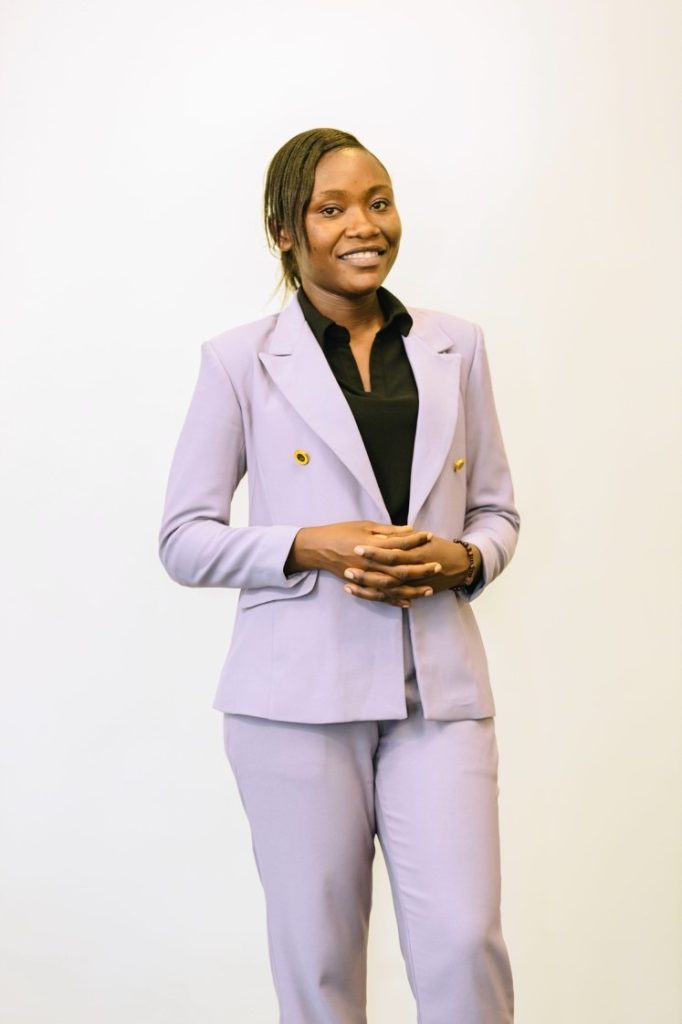
Fashion & tailoring business owner, Chantal Marie Uwizera. Photo by EAMG Studios.
Chantal’s tailoring business has strong local demand, but the financial system feels heavy:
“As young entrepreneurs, we would benefit from financial institutions making it easier to access loans by reducing interest rates and offering easier options to withdraw and save money.”
Her plea underscores a larger truth: products must be designed for rural realities, not urban assumptions.
“Make it easier for investors to support the youth.” — Uwimana Beatrice, Make-up Artist
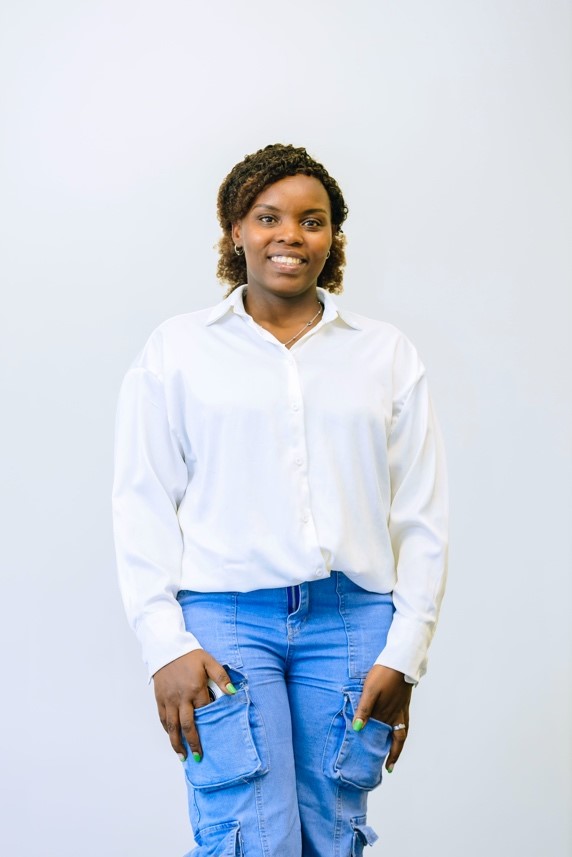
Make-up Artist, Uwimana Beatrice. Photo by EAMG Studios.
Beatrice sees resource constraints not just in her business, but across her generation:
“If I were a leader, I would make it easier for investors to support the youth in finding jobs and developing their skills.”
Her vision matches national priorities — financing youth is smart economics, not social support.
“We need support to access loans with fair collateral requirements.” — Dusabimana Agnes, Potato Farmer
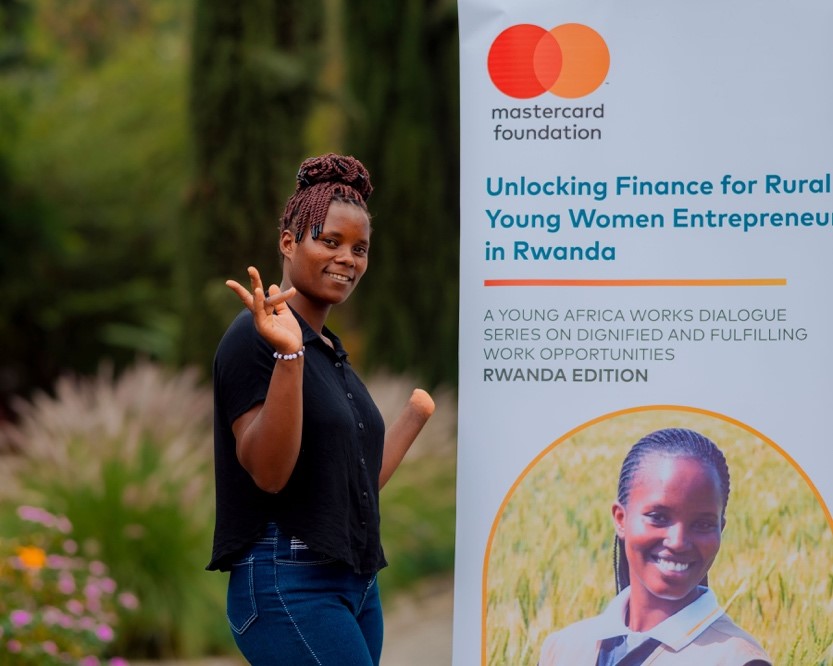
Potatoes Farmer, Dusabimana Agnes. Photo by EAMG Studios.
Agnes farms potatoes — a staple of Rwanda’s food system.
“As women and youth, we need support from financial institutions to access loans with fair collateral requirements. To develop ourselves, we need to start with these loans.”
Her message is simple: women should not be locked out because they don’t own land or property.
“Visits to our businesses would help reduce collateral demands.” — Ishimwe Bonette, Avocado Farmer
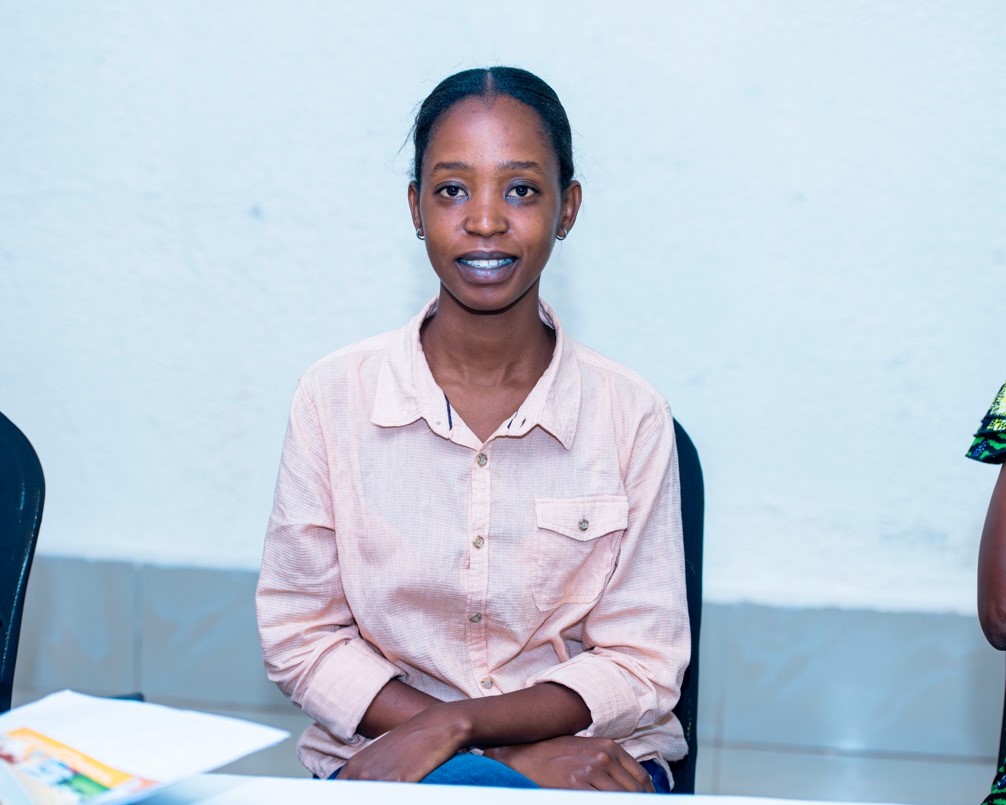
Avocado Farmer, Ishimwe Bonette.Photo by EAMG Studios.
Bonette offers a practical, low-cost solution for lenders:
“Visits to businesses led by youth would help determine the appropriate loans to offer, which could reduce the collateral demands placed on young entrepreneurs.”
This aligns with global best practice: cash-flow-based lending.
“Refugee and young women would benefit if loans were easier to access.” — Ingabire Umulisa, Agri-business Entrepreneur
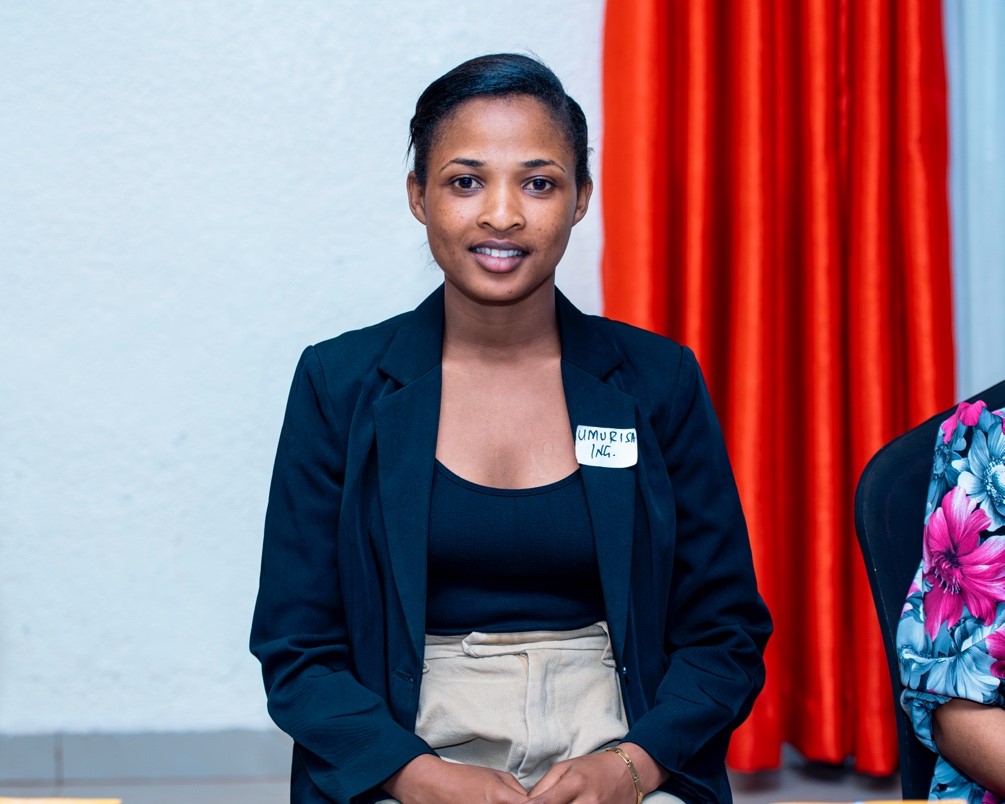
Agri-business Entrepreneur, Ingabire Umulisa. Photo by EAMG Studios.
Ingabire highlights the financial exclusion of those at the edge of society:
“Refugee women and young women would greatly benefit if financial institutions made accessing loans easier, as we are often unable to meet the collateral requirements they demand.”
Her message is a reminder that inclusion must be intentional.
The Economic Case: Why This Matters for Rwanda
Rwanda’s formal financial inclusion now stands at 92%, with 91% of adults using mobile money, 30% belonging to SACCOs, and 23% having insurance — signalling a strong national shift toward financial access.
Yet despite this progress, access to affordable, growth-focused credit remains the weakest link, especially for rural young women entrepreneurs, who continue to face barriers in obtaining the financing they need to expand their businesses.
The opportunity is clear:
- Expand rural production
- Strengthen value chains
- Boost household incomes
- Reduce poverty
- Grow taxable revenue
This is not hypothetical potential — it is economically measurable impact.
A Trillion-Franc Opportunity Hiding in Plain Sight
These rural young women are not asking for charity.
They are asking for:
- Fair collateral
- Reasonable interest
- Accessible information
- Business-friendly processes
- Radical trust
- Opportunity
With the right financing, each of these women could expand production, employ others, strengthen local markets, and accelerate national economic transformation.
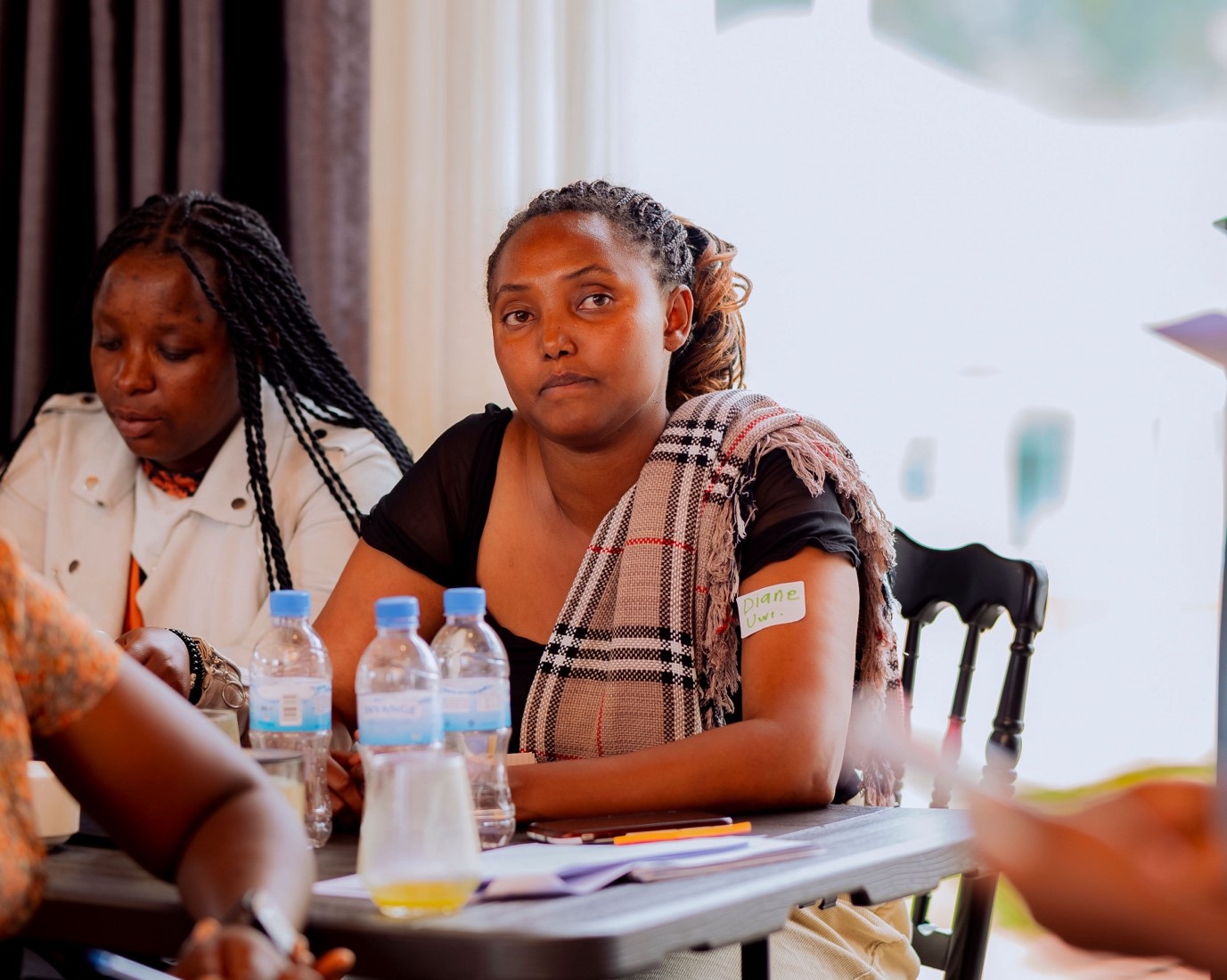
Diane Uwimbabazi, a Candler based in Huye District, Rwanda keenly follows session at a past focus group discussion on unlocking finance for young rural women. Photo by EAMG Studios.
Rwanda’s next trillion francs will not come from chance.
It will come from rural young women entrepreneurs— if the nation chooses to back them.